What Register Pins Do on Press
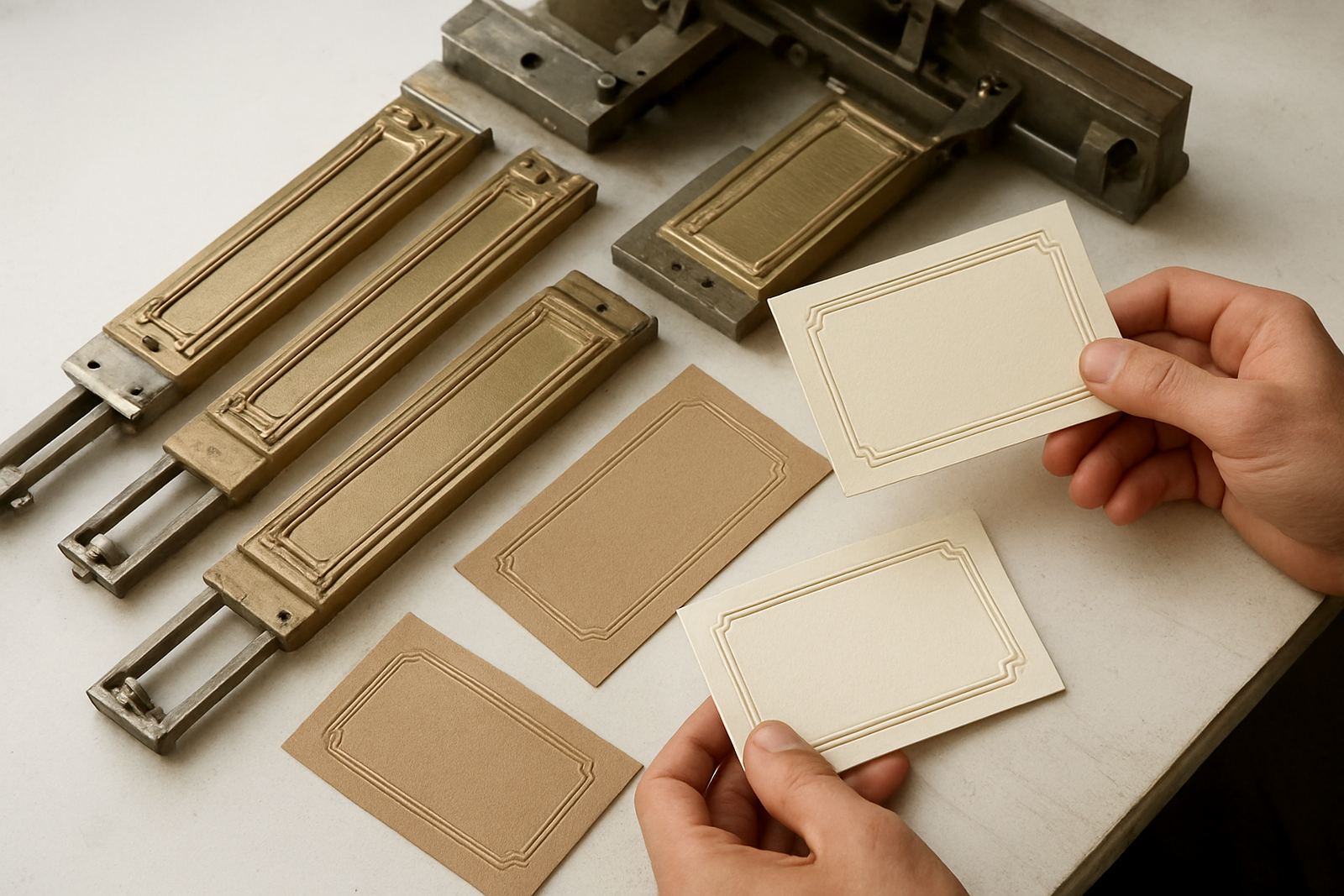
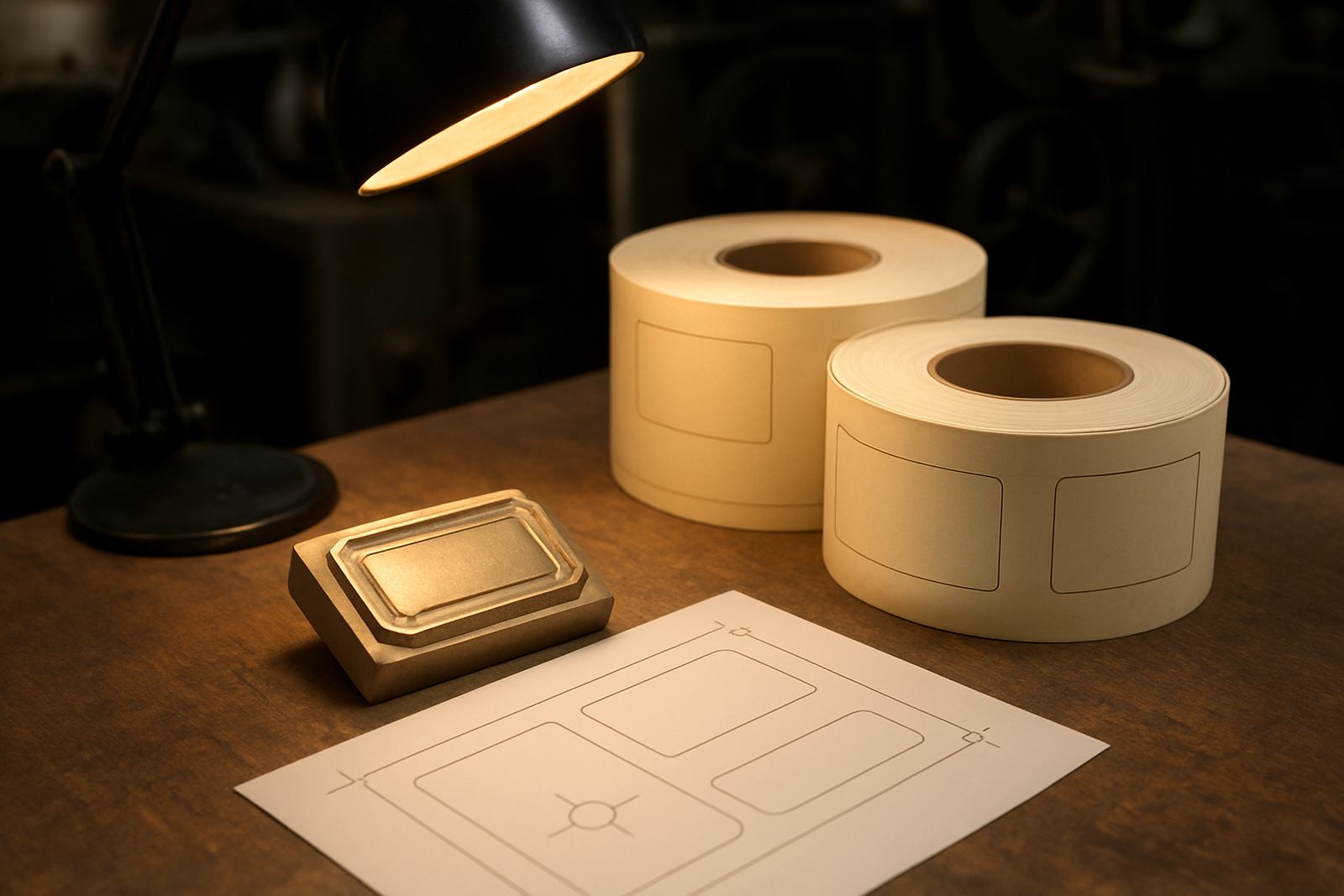
Register pins help the operator locate the die in the same position every time. In hot stamping and embossing, even a slight shift can move an image off centre, throw off a foil border, or make a blind emboss look uneven. These pins give a fixed point for alignment, which is handy when you are setting up repeat work, matching a counterplate, or returning to a file months later.
They are used during make-ready on presses handling cartons, labels, sleeves, presentation folders, and other printed items that need neat registration. On busy finishing floors in Johannesburg, Pretoria, Durban and Cape Town, they can save a lot of trial sheets, especially when the schedule is tight and the machine still needs a proper warm-up before final production. If the job has tight tolerance, the pin location becomes as important as the die itself.
Available Sizes and Set-Up Options
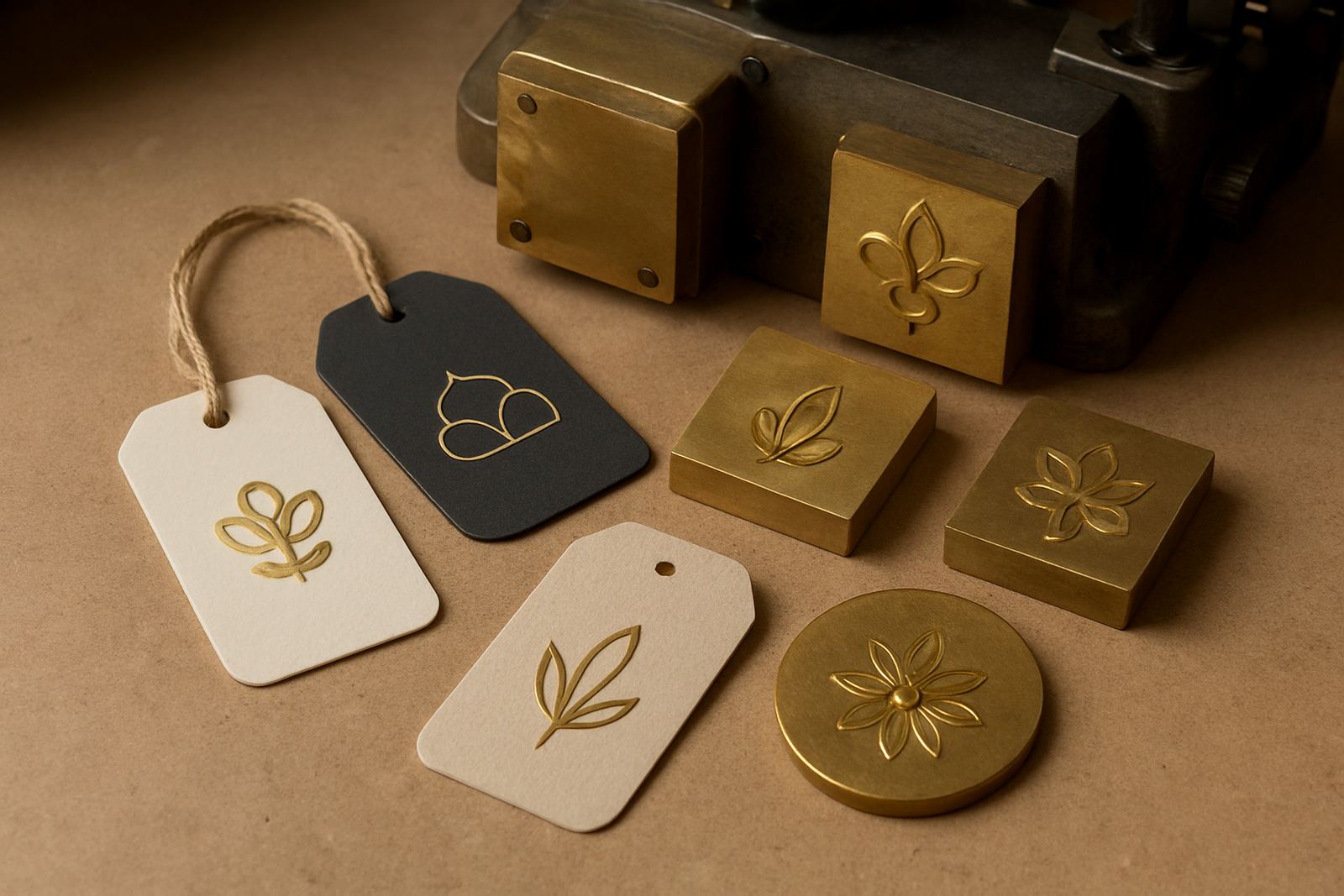
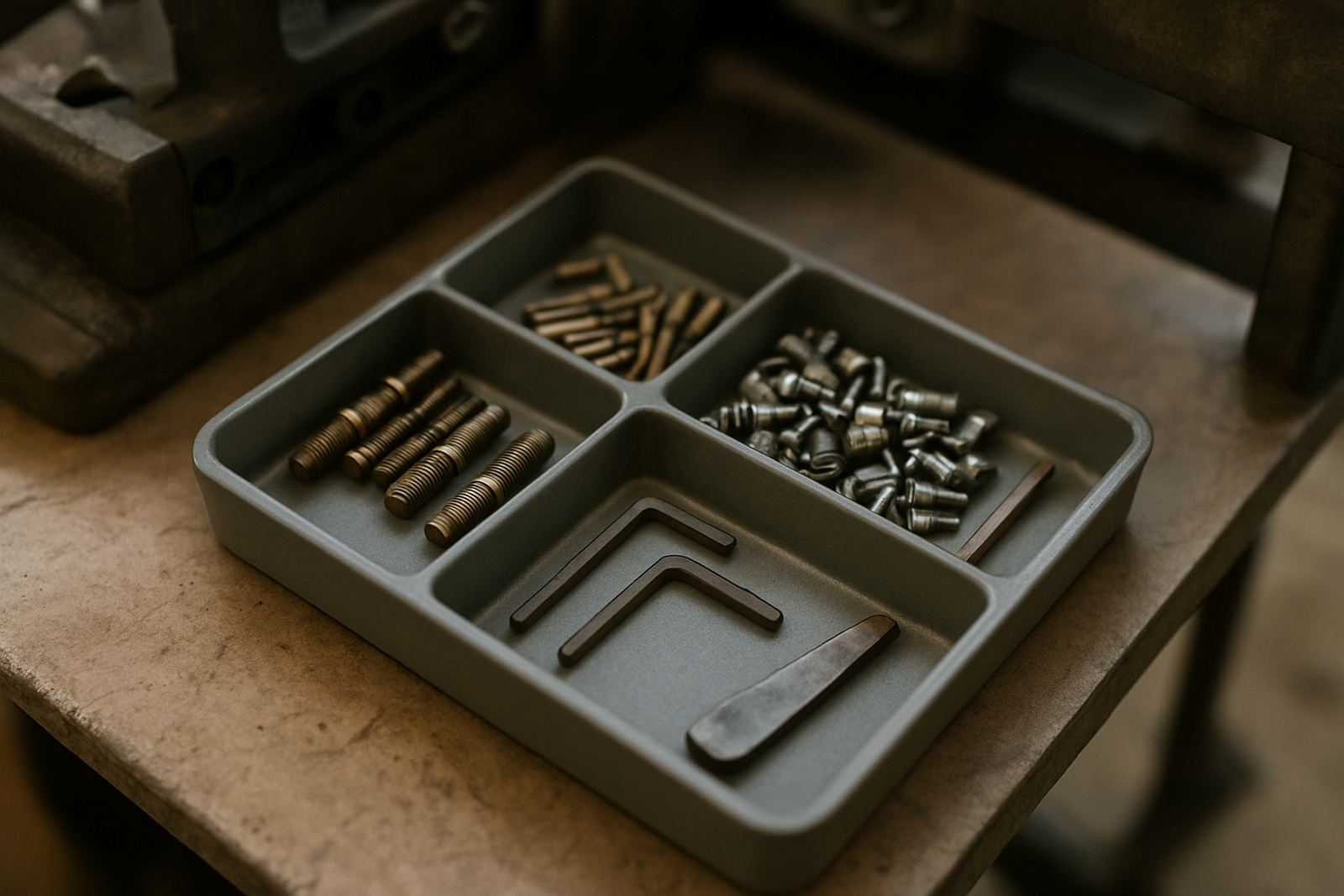
Register pins are supplied in a few practical formats depending on the press bed, chase, or mounting board used in your operation. The right choice depends on the stock thickness, the working area, and how often the job will be repeated. We supply options that suit brass and magnesium dies, embossing plates, and matching counterforce work.
- Pin diameter options for light and medium duty alignment
- Standard and extended pin heights for thicker board or deeper make-ready
- Fixed or removable pin fittings depending on the mounting method
- Pairs and sets for left-right or top-bottom registration points
- Options suited to short runs, repeat orders, and frequent set-ups
For most South African finishing rooms, a practical pin set is one that can be adjusted quickly without adding clutter to the bed. If the pressman has to fight with the set-up each time, the pin has not done its job.
Where Register Pins Suit Best
These alignment accessories suit offset, flexo, foil stamping, embossing, and other print finishing work where the die must land in exactly the right place. They are especially useful on packaging jobs, cartons, presentation covers, paper wraps, and labels where registration marks are already part of the workflow. In KwaZulu-Natal and coastal towns, where humidity can shift board behaviour through the day, a fixed reference point helps keep repeat set-ups more consistent.
They also help when the job moves between different shifts or operators. If a file is filed properly and the pin positions are noted, the next run starts with less guesswork. That matters for printers and packaging houses in Gqeberha, Polokwane, Mbombela and Bloemfontein, where couriered dies may return for repeat work after a gap. A small alignment accessory can prevent a costly rework.
- Hot stamping and foil blocking
- Embossing and debossing
- Die-cut finishing where location matters
- Short-run packaging with repeat orders
- Jobs needing consistent counterforce matching
Installation, Power and Press Requirements
Register pins themselves do not need power or gas. They are mechanical alignment accessories fitted to the working surface, chase, or make-ready board, depending on the press arrangement. What matters is that the mounting area is clean, level, and marked correctly before the die is fixed. Any dirt, adhesive residue or uneven packing can move the setting by a millimetre or two, and that is enough to show on a fine logo or border.
When installing, check that the pin position will not interfere with foil feed, sheet delivery, pressure points, or cutter lines. On some jobs the pin can be positioned outside the visible artwork area, while on others it may need a low profile to keep the board flat. If the press room is dealing with load-shedding, it helps that pins do not rely on electrical supply, so the set-up stays stable even when the power goes off and the team is midway through planning the run.
Care, Cleaning and Servicing
Register pins need basic care rather than complicated maintenance. Wipe them clean after use so adhesive, dust, and foil residue do not build up around the contact point. If a pin gets bent, worn, or loose in the mounting point, replace it before the next run. A damaged pin can pull the die off line and that can lead to paper waste and extra set-up time.
We recommend checking pin condition when the die is cleaned or stored. If the job is filed for repeat ordering, keep note of the pin layout used on the last successful run. That makes future make-ready much quicker. A small amount of preventative checking goes a long way, especially in print shops that handle urgent turnaround work and cannot afford to stop mid-job.
- Keep pins free of glue, foil dust and packing fibres
- Check for movement in the base or fitting point
- Replace bent or worn pins before repeat production
- Store with the die file so the same layout can be used again
What to Check Before You Order
To supply the right register pins, we need to know how the die will be used and how the press is set up. A clear order brief helps avoid delays and avoids sending the wrong size. If possible, send the artwork, die size, and a note on the press area where the pins will be fitted. If a counterplate or counterforce is already in use, mention that too.
It also helps to state whether the job is a first run, a repeat order, or an altered file. Repeat jobs often use the same pin positions, while altered artwork may need a different reference point. If there is any doubt, ask for sample impression advice before production starts. That saves time and can prevent a bad fit on the first pull.
- Die size and material type
- Press or chase dimensions
- Artwork position and trim margins
- Whether the job is for stamping, embossing, or both
- Repeat order details or old file reference
From our Industria base in Johannesburg, we courier dies and related accessories nationwide to print finishers and packaging houses. Clients in Johannesburg, Pretoria, Durban, Cape Town, Gqeberha, Bloemfontein, Polokwane and Mbombela can send enquiries through the contact page form and we will advise on the correct setup for the job.
Key facts
| Product type | Register pins for die alignment and make-ready |
|---|---|
| Use | Hot stamping, embossing, flexo finishing and repeat registration |
| Compatible with | Brass dies, magnesium dies and embossing plates |
| Power or gas | Not required |
| Typical fitting | Fixed or removable pin layout, depending on press setup |
| Supply area | Couriered nationwide from Industria, Johannesburg |