What Wine Label Dies Do on Premium Bottles
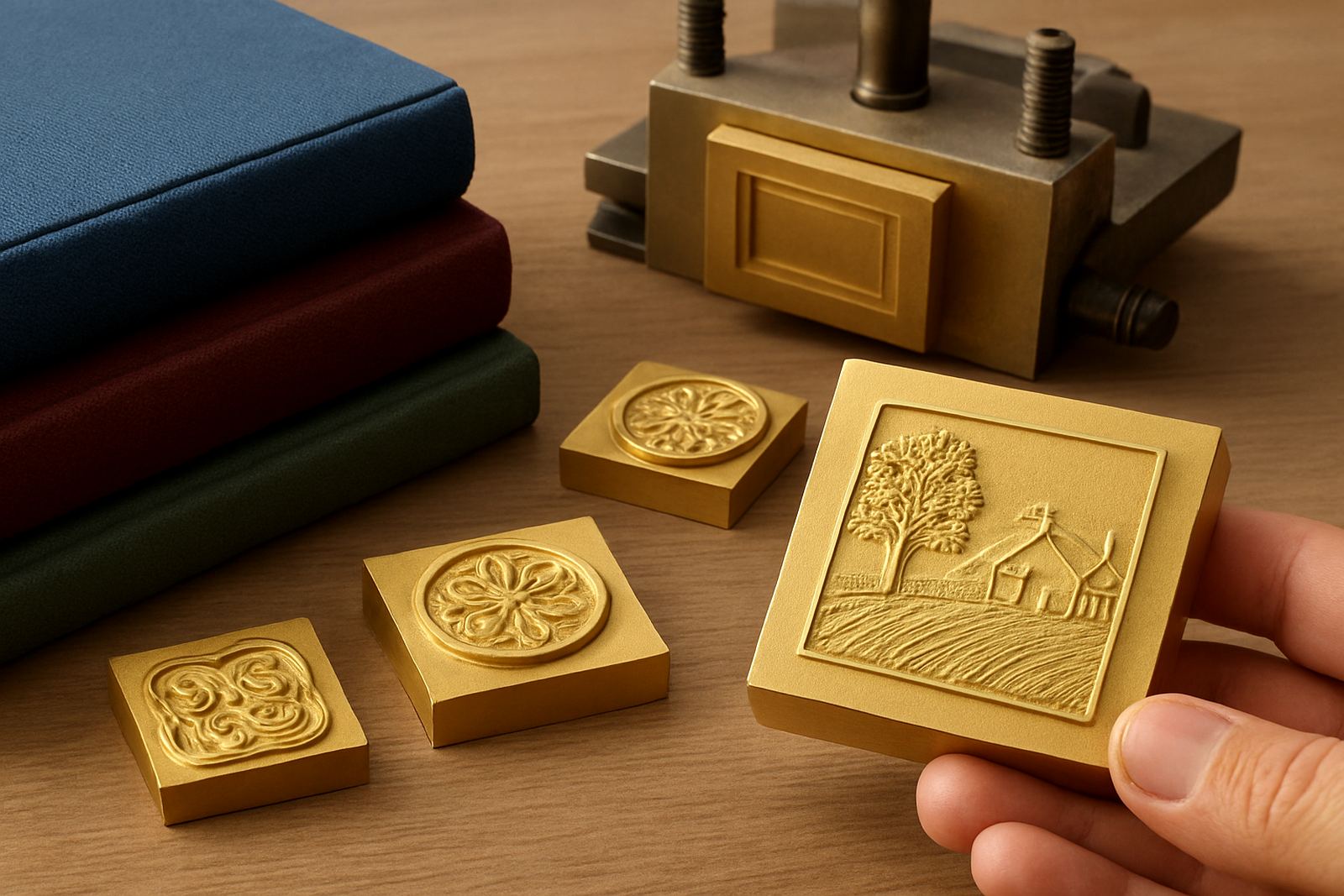
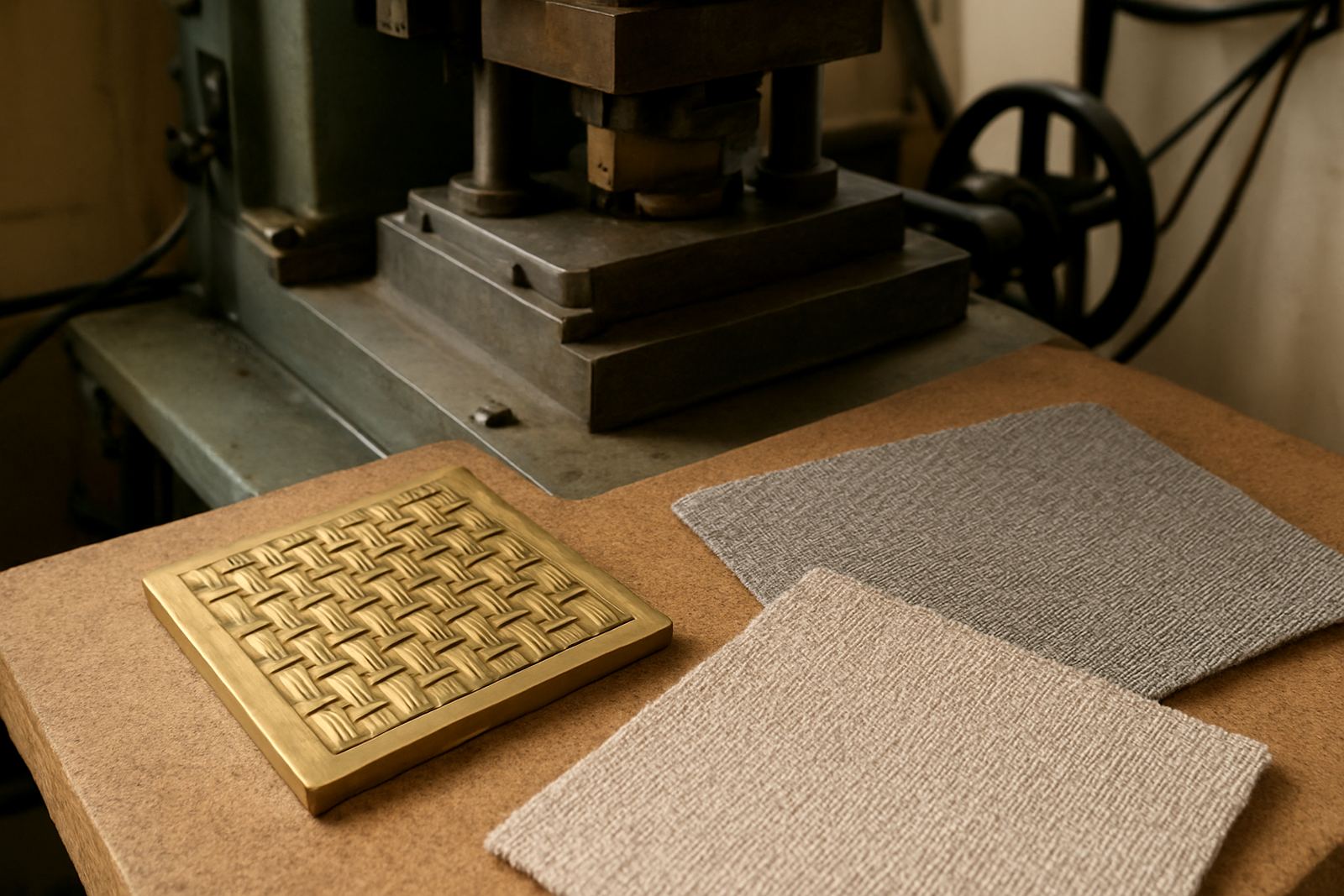
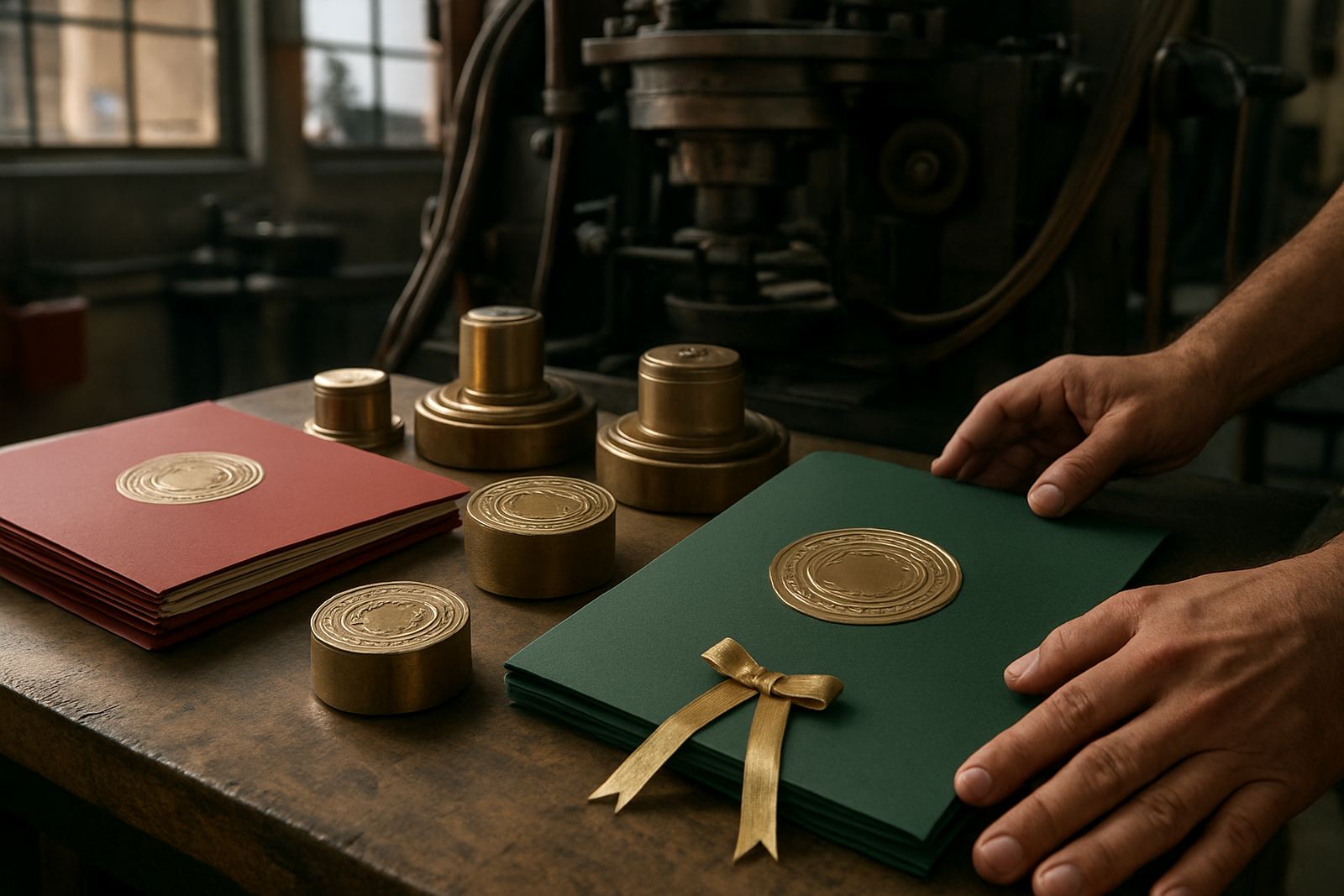
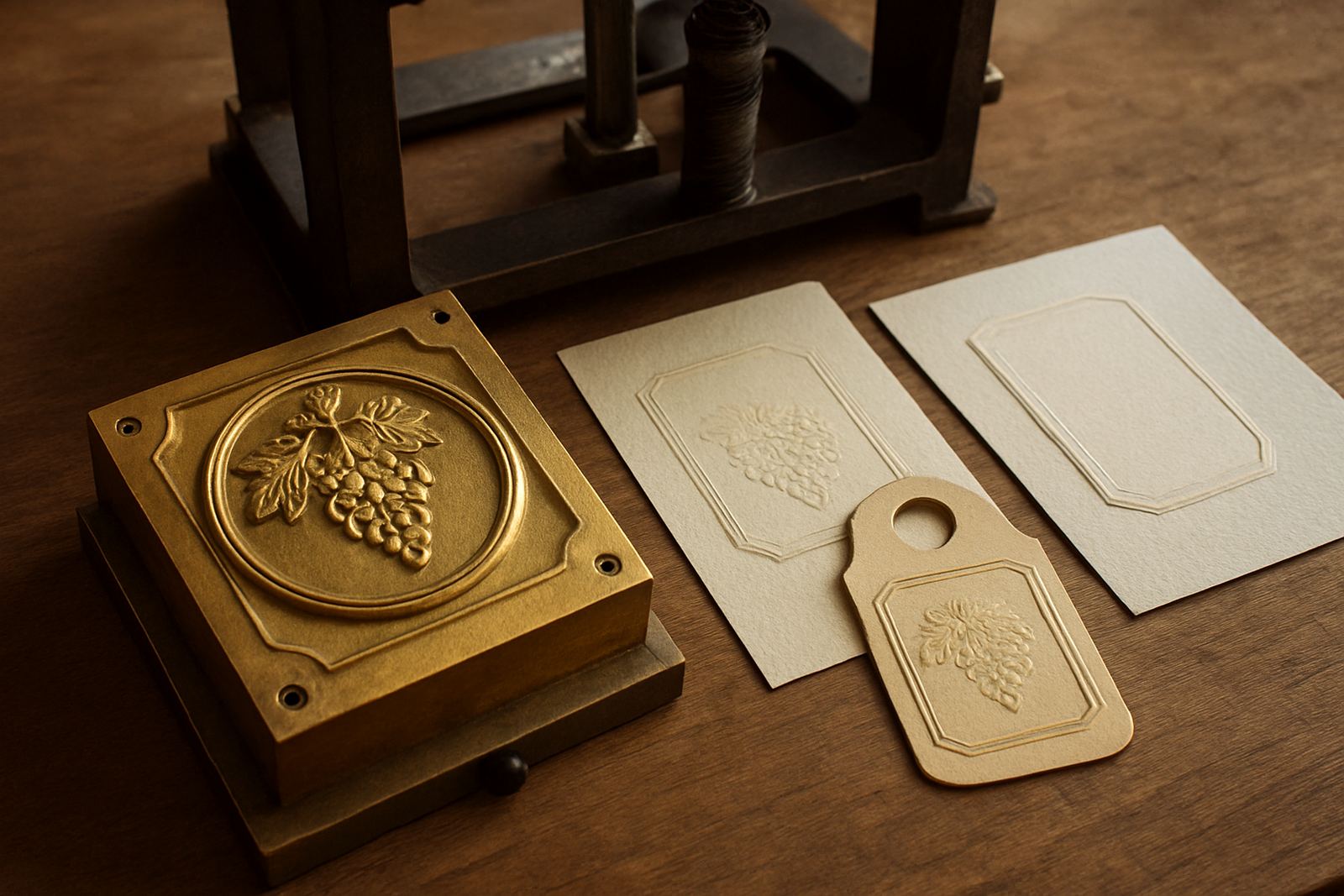
Wine label dies are used to stamp, foil, emboss or deboss the detail that gives a bottle label its finished look. They are made to carry clean lines, small text, borders, crests and decorative shapes without breaking up at speed on press. For wineries, packaging houses and print finishers, the die has to suit the artwork and the substrate, whether you are working on coated paper, textured stock or a heavier label board.
In practice, this means the die must be accurate enough to hit the same position on every sheet, with enough strength to hold detail across a full run. Brass dies are often chosen for longer life and finer heat control, while magnesium can suit shorter runs and faster turnaround. We match the die to the job, the press setup and the finish required, so the label reads properly once it goes on the bottle.
- Suitable for foil stamping, embossing and debossing
- Works on bottle labels, neck labels and seal labels
- Common for premium still wines, sparkling wines and gift packs
- Can be made for single labels or repeat layouts
Sizes, Materials and Build Options for Label Work
Wine label dies are normally built to the exact artwork size, not a standard catalogue size, because bottle labels vary so much between ranges. We make dies to suit small front labels, long wrap labels, crest panels and special shape cut lines. The working face is machined to the approved artwork and mounted for use on the relevant press or finishing unit.
Material choice matters. Brass is the preferred option where you need longer service life, sharper edge definition and better heat stability on repeat jobs. Magnesium is useful when you want a lighter die for shorter runs or quicker production. If the artwork has fine serifs, thin vineyard lines or micro text, we will check whether the detail is safe to cut and stamp cleanly. A rushed die often shows up later as blurred foil or crushed embossing, which is costly to fix.
- Typical face size: made to artwork, from small label inserts to larger decorative panels
- Thickness: matched to press set-up and mounting needs
- Materials: brass for longer runs, magnesium for shorter runs
- Finish options: cut-only, foil detail, embossing plate, counterforce matched
Where Wine Label Dies Suit the Press Room
These dies suit offset finishing, flexo finishing, hot foil units and specialty label production lines where presentation matters. They are commonly used by print finishers handling premium wine labels for estates, export packs and private labels. If a job is going to the Western Cape, the Midlands, or a small bottling run in Gauteng, the die still has to run cleanly and remain legible under shop-floor conditions.
Wine label production can be sensitive to humidity, paper curl and storage conditions, especially for clients near the coast in Durban or Gqeberha. That is why we look at the substrate, the ink coverage and the finish sequence before starting the die. On some jobs the label needs only a raised crest, on others it needs a full foil border and deep emboss. The die has to suit the print route, not the other way round.
- Ideal for premium bottle labels and special release ranges
- Useful for packaging houses producing multiple wine SKUs
- Fits short runs, seasonal labels and repeat ordering
- Works well where fine brand detail must stay sharp
Installation, Power and Heat Requirements
Installation depends on the finishing equipment being used. Most wine label dies are fitted into the existing foil or embossing setup by the press team, with correct alignment, counterforce and temperature settings. The die itself does not need a complicated installation, but the press must be set up properly for pressure, heat and registration. If the die is out by even a fraction, the label can look off-centre on the bottle and that is hard to hide.
For hot stamping, you need a machine that can provide stable heat and even pressure. Power supply needs depend on the press, not the die, but load-shedding planning still matters for the job schedule. If your line stops mid-run, the die should be stored safely and restarted only once temperature and registration are back to normal. No gas is required for the die itself. Some finishing setups use compressed air or vacuum assistance, so check the machine requirements before the job is booked.
- Alignment must be checked before the first pull
- Counterforce should be matched to the substrate thickness
- Heat and pressure must be tested on a sample sheet first
- Compressed air or vacuum may be required by the machine, not the die
Care, Cleaning and Reuse Between Wine Jobs
Wine label dies should be kept clean after every run, especially where foil residue or paper fibres build up around the detail. A proper clean helps preserve line sharpness and reduces the risk of ghosting on the next job. If a die is stored badly it can pick up knocks, corrosion or surface wear, then the next batch of labels shows the damage straight away.
We offer die cleaning, damage assessment and repeat ordering support for clients who run regular wine ranges. If the same artwork is reused each vintage, we can check the condition of the existing die and advise whether it should be cleaned, altered or remade. In coastal areas, a dry storage space is important because moisture can affect brass and surrounding tooling. Keep dies wrapped, labelled and filed by job code, not by memory.
- Clean after use to remove foil, adhesive and fibre build-up
- Store flat in a dry area away from damp floors
- Keep job references and artwork versions together
- Ask for damage assessment before reusing an old die
What to Check Before You Order
Before you order a wine label die, check the final approved artwork, the exact size of the label, the substrate weight and the finishing method. If there is foil, embossing or a cut shape, we need to know which areas are critical and which can carry a lighter touch. It is also worth checking whether the label will be run on a sheet-fed press or a roll-fed finishing line, because that changes the mounting and repeat requirements.
We also recommend checking the bottle type, because label shape and placement can change across still wine, sparkling wine and gift pack products. If the job is going to more than one site, such as Johannesburg, Pretoria and Cape Town, make sure everyone is working from the same artwork version. A small change in type size or border spacing can mean a new die, so it is better to confirm early than to rework later.
- Final artwork file and version number
- Exact finished label size and shape
- Foil, emboss, deboss or cut only specification
- Press type, run length and substrate details
How We Handle Ordering and Dispatch
Clients can send enquiries through the contact page, and we will confirm the artwork details, turnaround and die specification before production starts. From our Industria base in Johannesburg, we serve finishers and packaging houses nationwide, including Durban, Cape Town, Gqeberha, Bloemfontein, Polokwane and Mbombela. For urgent work, we check the schedule, verify the artwork and pack the die for courier dispatch once it is ready.
Our team handles artwork checks, die design, engraving production, counterforce matching and packing dispatch in-house, so the job stays organised from approval to delivery. If the label needs a repeat order, an alteration or a sample impression advice check, we can work from the previous job file. That saves time on vintage updates and keeps the label line moving without unnecessary rework.
- Artwork checks before engraving starts
- Repeat ordering from existing job files
- Urgent turnaround for time-sensitive label launches
- Nationwide courier dispatch from Johannesburg
Key facts
| Product type | Wine label dies for foil stamping, embossing and debossing |
|---|---|
| Materials | Brass or magnesium |
| Typical use | Premium bottle labels, neck labels, seal labels |
| Finish compatibility | Offset, flexo and print finishing workflows |
| Service area | Nationwide courier delivery from Industria, Johannesburg |
| Support services | Artwork checks, die design, engraving, counterforce matching, cleaning and repeat ordering |