
What Edge Foil Dies Do on Press
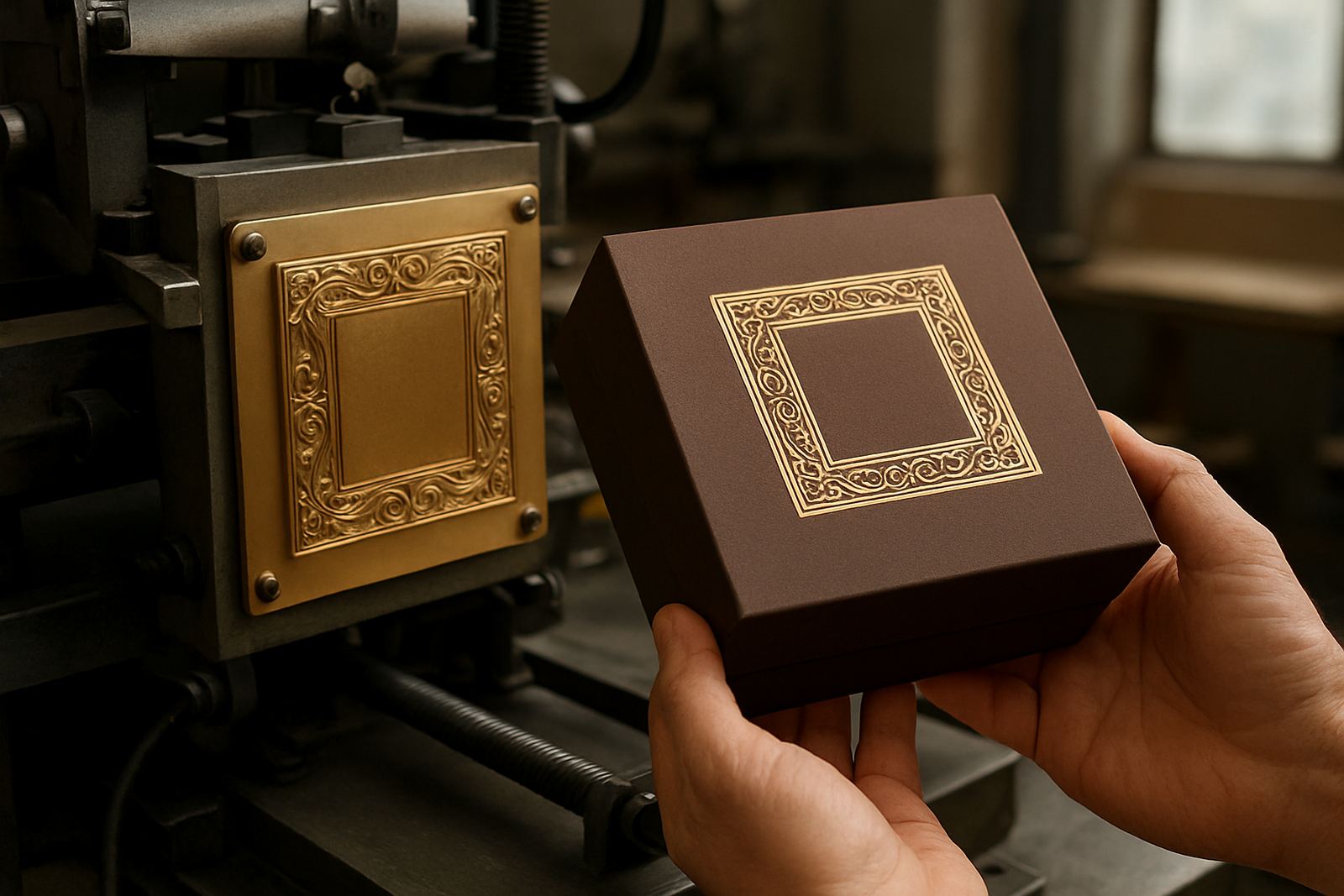
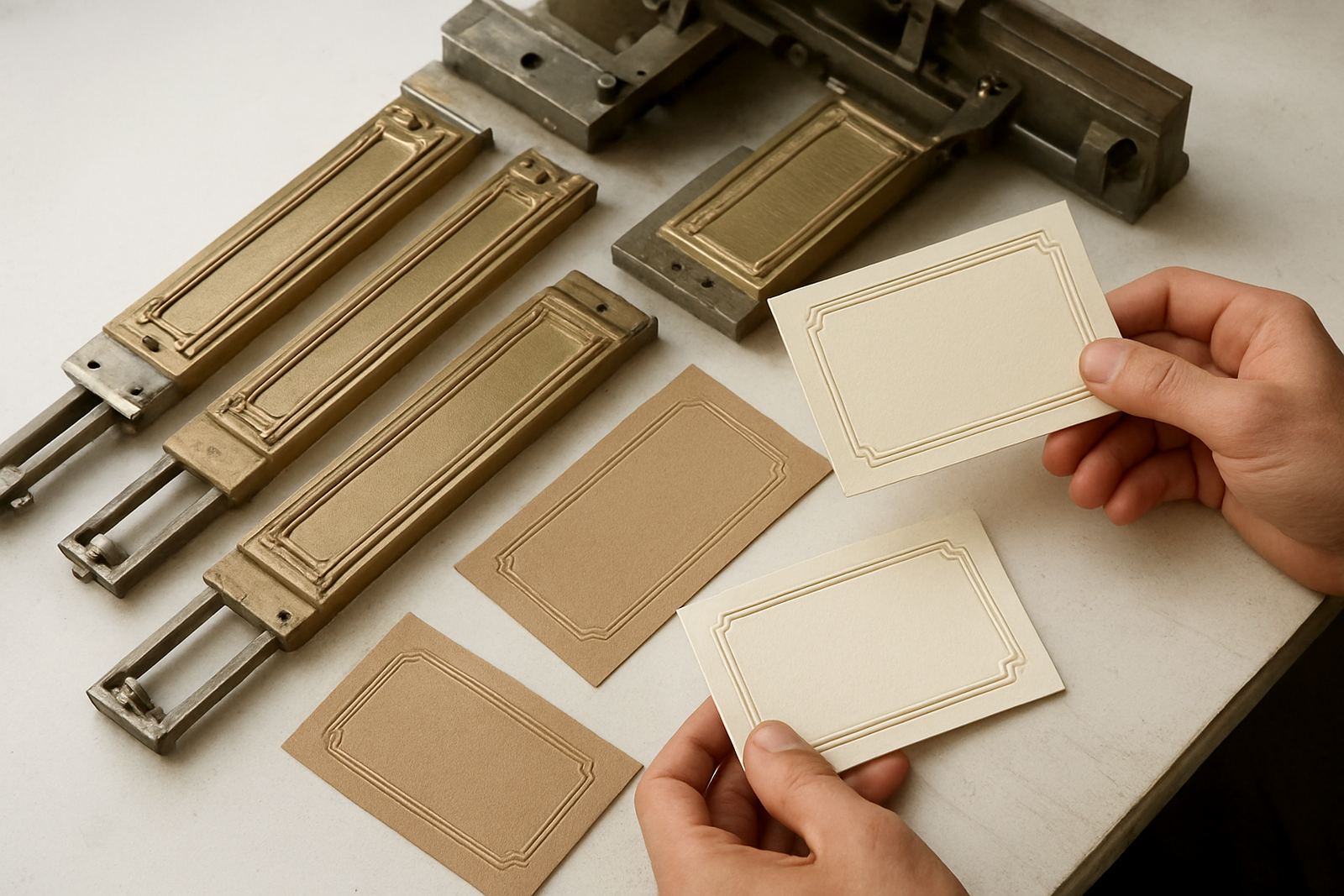
Edge foil dies are made for fine perimeter work, where the finish needs to sit close to an edge, fold or cut line. In packaging and finishing work they are often used for borders on cartons, corner frames, label edges, sleeve outlines and small highlight lines around logos or product panels. The aim is simple: keep the detail sharp and consistent without flooding the whole face with foil.
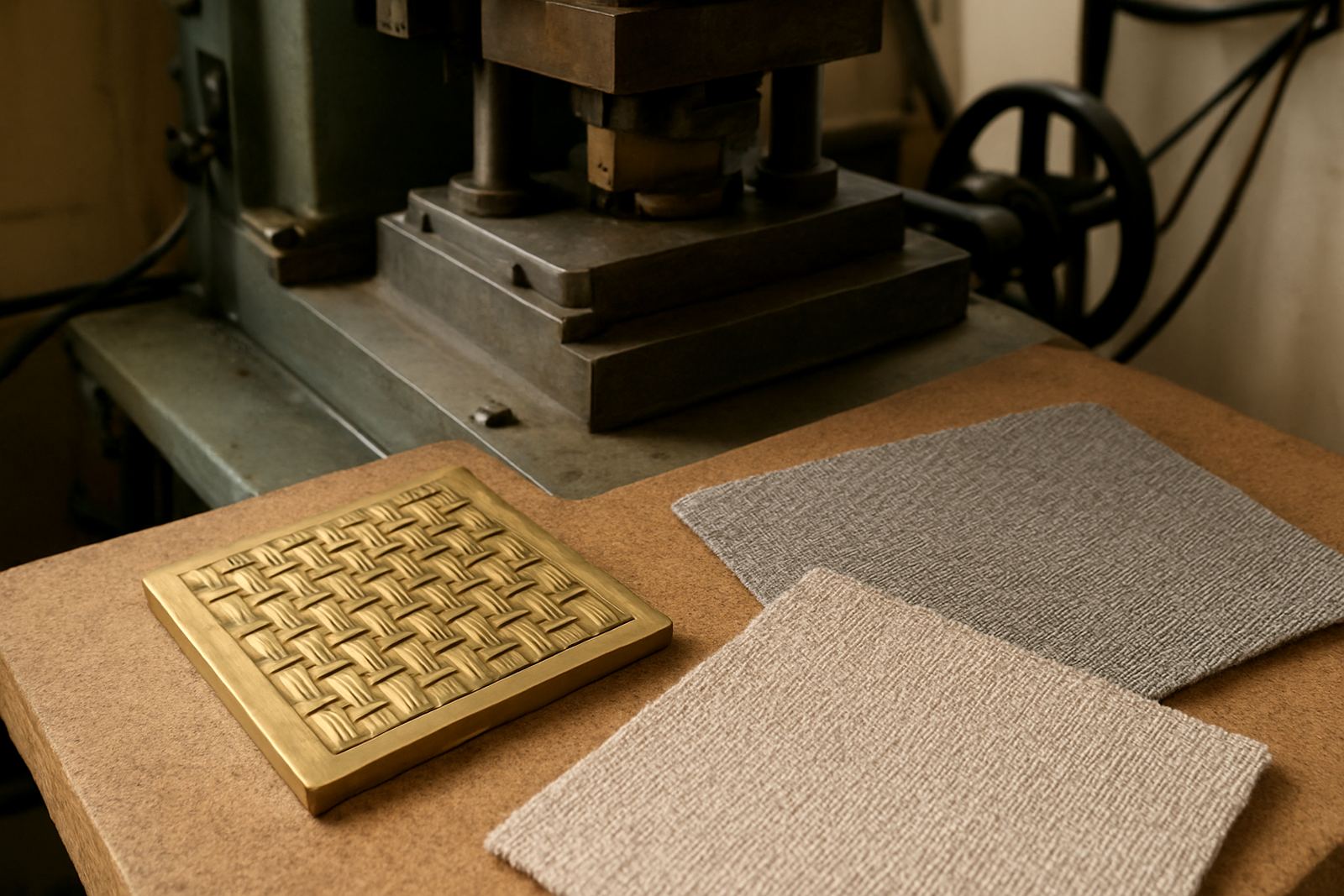
These dies are cut to match the artwork and the machine setup, so the width, depth and line spacing suit the stock and the finishing method. On coated board the result is usually very crisp, while on textured or uncoated material you may need a little more pressure and a matched counterforce to keep the foil even. For short runs and repeat work, edge dies are practical because they are easy to store, re-order and adapt when a client changes a border or panel size.
- Used for borders, frame lines and perimeter foil details
- Suitable for cartons, sleeves, labels and presentation packaging
- Works with brass or magnesium depending on run length and detail
Sizes, Line Widths and Material Options
Edge foil dies are usually supplied in the exact size needed for the layout, rather than one standard dimension. The engraved detail can be made as a thin line, a slightly heavier border, or a combined frame with corners and breaks. If the design is very small or has tight reverse spaces, brass is often the better option because it holds detail well under repeated heating. Magnesium can work for lighter use and quicker turnaround, especially where the artwork is less intricate.
Common edge die specifications depend on the machine and the product, but we regularly work on line widths from about 0.3 mm up to 3 mm, with overall die sizes from small label frames to large carton panels. Thickness is matched to the mounting method and press setup. For deeper embossing or a foil and emboss combination, the die may need a counterforce plate and slightly different relief depth. In many cases the artwork prep is the deciding factor, not just the die metal.
- Typical line widths: 0.3 mm to 3 mm
- Materials: brass for longer life and fine detail, magnesium for lighter duty work
- Can be made for flat foil work or foil plus emboss applications
Where Edge Foil Dies Work Best
These dies suit print finishers, packaging houses and converters who need a neat detail around a product without overcomplicating the job. They are widely used on cosmetics cartons, stationery sets, premium labels, wine and spirits packaging, gift boxes, insert cards and promotional print pieces. In Johannesburg, Pretoria, Durban and Cape Town we often see edge details used to lift shelf appeal while keeping production efficient and the cost under control.
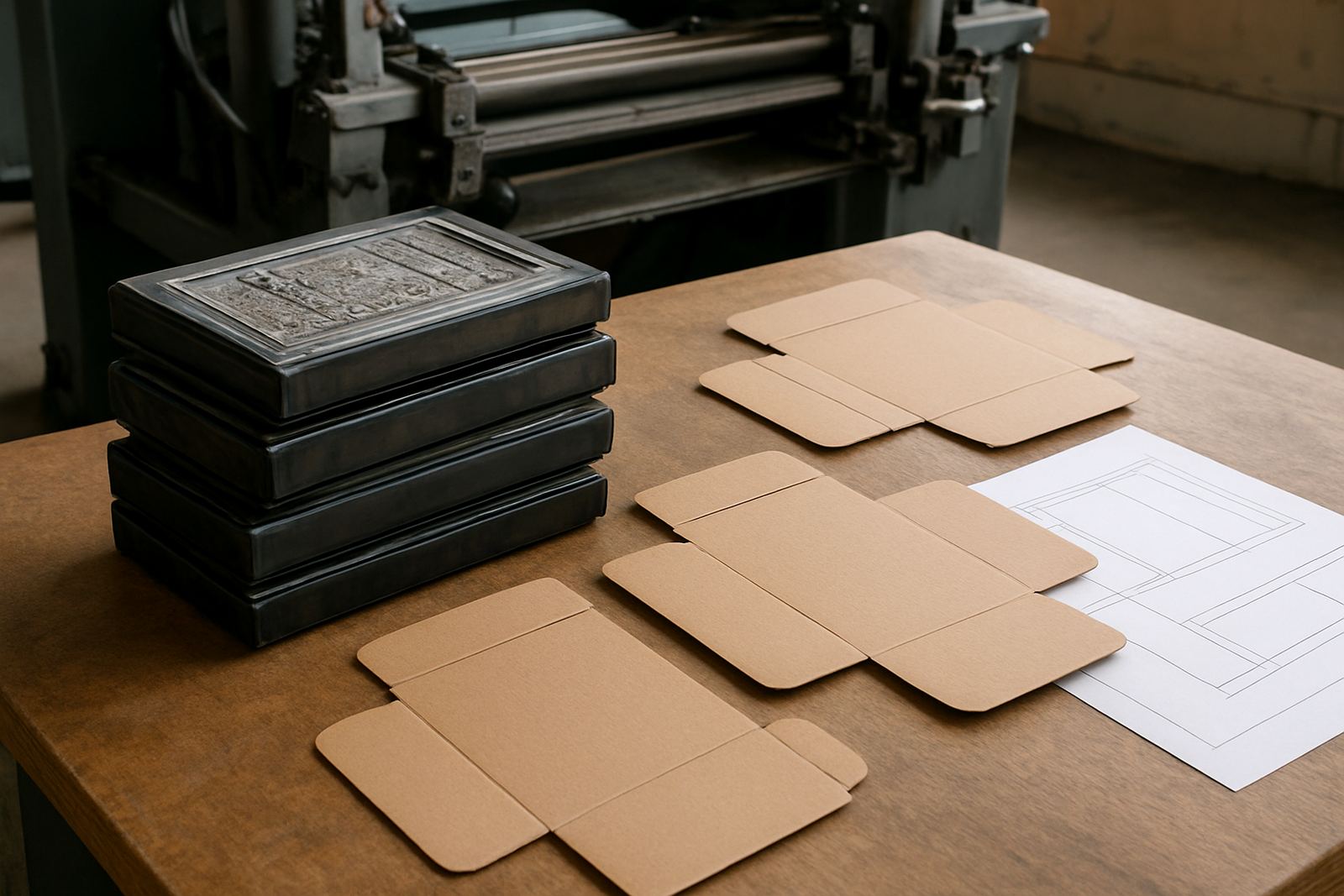
Edge dies are also useful where space is limited. If a design has a narrow border around a fold or trim area, the die can be set up so it sits cleanly just inside the cut line. That helps with consistency from one batch to the next, especially on jobs that are repeated through the year. For humid coastal conditions in Durban or Gqeberha, stock handling and foil choice matter too, because curled board or moisture can affect pressure and registration.
- Best for premium packaging, labels and presentation pieces
- Useful where the finish must sit close to a trim or fold line
- Good choice for repeat seasonal or recurring client jobs
Press Setup, Heat and Power Requirements
Edge foil dies need proper setup on the finishing machine to give a clean line and avoid patchy transfer. The temperature, dwell time and pressure must all be balanced for the stock being used. On most jobs the press operator will do a short test impression first, then fine-tune pressure and alignment before going into production. If the border is very close to the cut line, accurate makeready is essential so the detail does not walk during the run.
Power needs depend on the equipment, not the die itself. Hot-stamping machinery normally uses electric heating elements, so stable power supply is important. Where load-shedding is a factor, production planning should allow for warm-up time and press recovery after an outage. Gas is not normally required for standard hot-stamping dies, but some finishing lines have additional heated units or ancillary equipment. If the job includes counterforce, make sure the backup material is matched correctly to the die and the stock. A mismatched counterforce can cause uneven foil, blunt corners or premature wear.
- Electrical heating is standard for hot-stamping equipment
- No gas is normally needed for the die itself
- Test impressions are recommended before full production
Installation, Care and Repeat Ordering
When an edge foil die arrives, unpack it carefully and inspect the face for any knocks or shipping damage. The die should be mounted squarely and set with the correct packing so pressure is even across the line. If the die is being used on a repeat job, keep the previous setup notes, including temperature settings, foil type and counterforce thickness. That saves time on the next run and helps keep the finish consistent.
Basic care makes a big difference to life span. Clean off adhesive residue, foil build-up and dust after use, then store the die flat and dry. In busy finishing rooms, a quick wipe after production is often enough, but damaged or worn units should be checked before the next run. We can help with cleaning, die alterations, damage assessment and sample impression advice if a job is not pulling evenly. For repeat ordering, keep the artwork version and final die size on file so the next order matches the previous one without guesswork.
- Store flat, dry and away from impact
- Clean residue after use to protect detail
- Keep artwork version and setup notes for repeat work
What to Check Before You Order
To get the right edge foil die first time, send the final artwork and confirm exactly where the border should sit. Check whether the line needs to fall inside the trim, on the trim, or just outside it. It also helps to note the stock type, board thickness, foil colour and the machine being used. If the job is for a client in Cape Town, Polokwane or Mbombela and delivery timing matters, tell us the deadline and the site address early so dispatch can be planned properly.
We also recommend checking whether the job needs a straight line, a framed corner, a closed perimeter or a broken border with openings for folds and tabs. If there is embossing involved, the counterforce must be matched at the same time. For urgent jobs, send the artwork in its final form, because last minute changes can affect engraving and turnaround. Clear instructions at the start save time later and reduce the chance of rework.
- Final artwork with exact border position marked
- Stock type, thickness and foil colour
- Machine details, deadline and delivery town
Key facts
| Product type | Hot-stamping die for border and perimeter foil detail |
|---|---|
| Materials | Brass or magnesium |
| Typical line width | 0.3 mm to 3 mm |
| Typical use | Borders, frames, label edges and carton outlines |
| Compatible work | Foil only or foil plus emboss |
| Dispatch | Couriered nationwide from Industria, Johannesburg |