Serial Marking Dies for Numbering and Coding
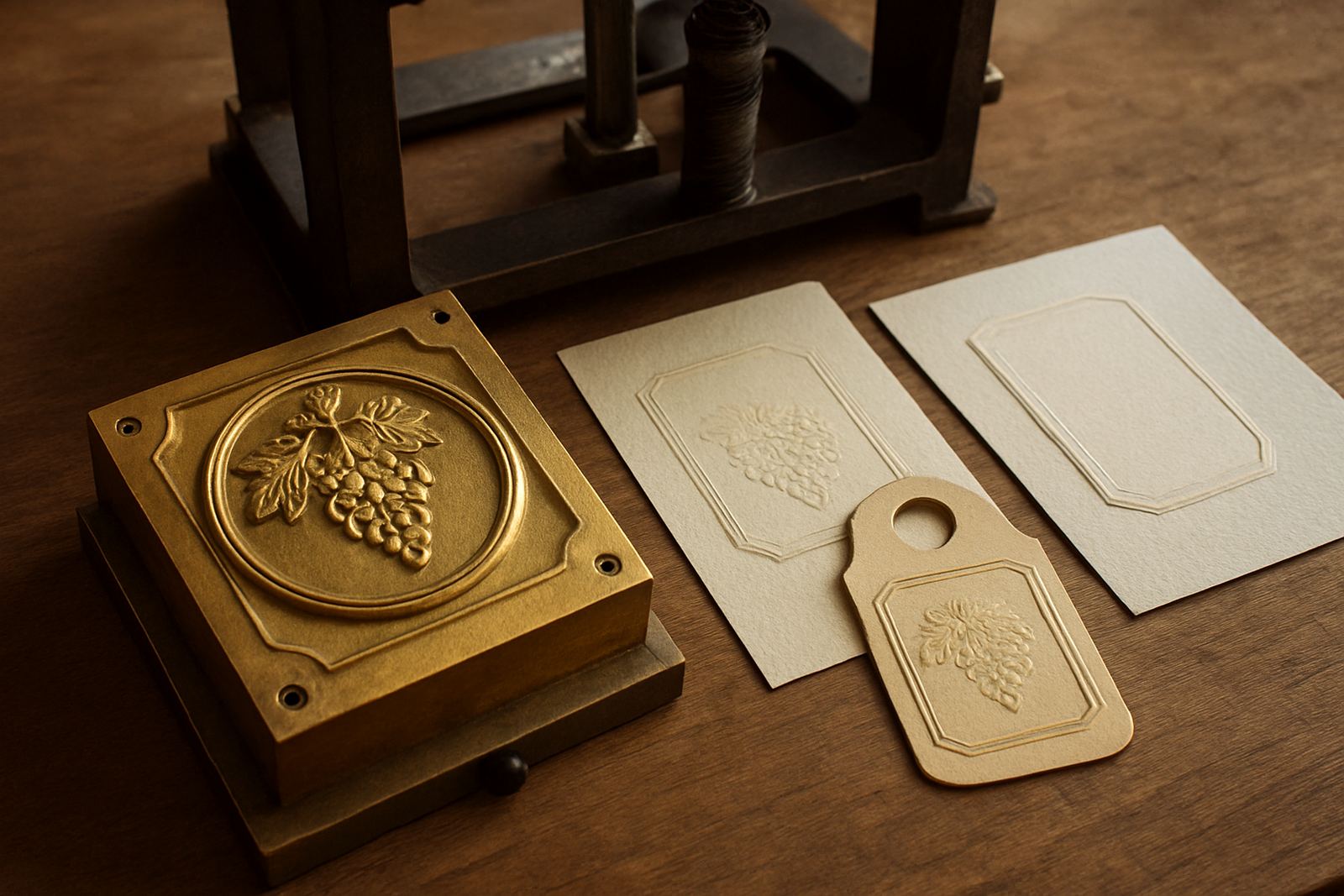
A serial marking die is a custom hot stamp tool used to apply numbers, codes, dates or short text in a fixed sequence on paperboard, labels, cartons, sleeves and other packaging stock. It is used where the mark must stay clean and readable through handling, folding and packing, especially on jobs that need traceability or repeat identification. In print finishing, the die is set into a heated holder and pressed onto foil, coated stock or selected uncoated materials to create a sharp impression.
These dies are common on packaging lines that need batch control, product identification or a simple numbering system for internal and customer use. They are also useful where a printed code needs to sit with the branding without adding another print pass. For Johannesburg, Pretoria and Durban operations, that can save time on short run work and reprints when the code changes often.
Brass and Magnesium Options for Different Run Sizes
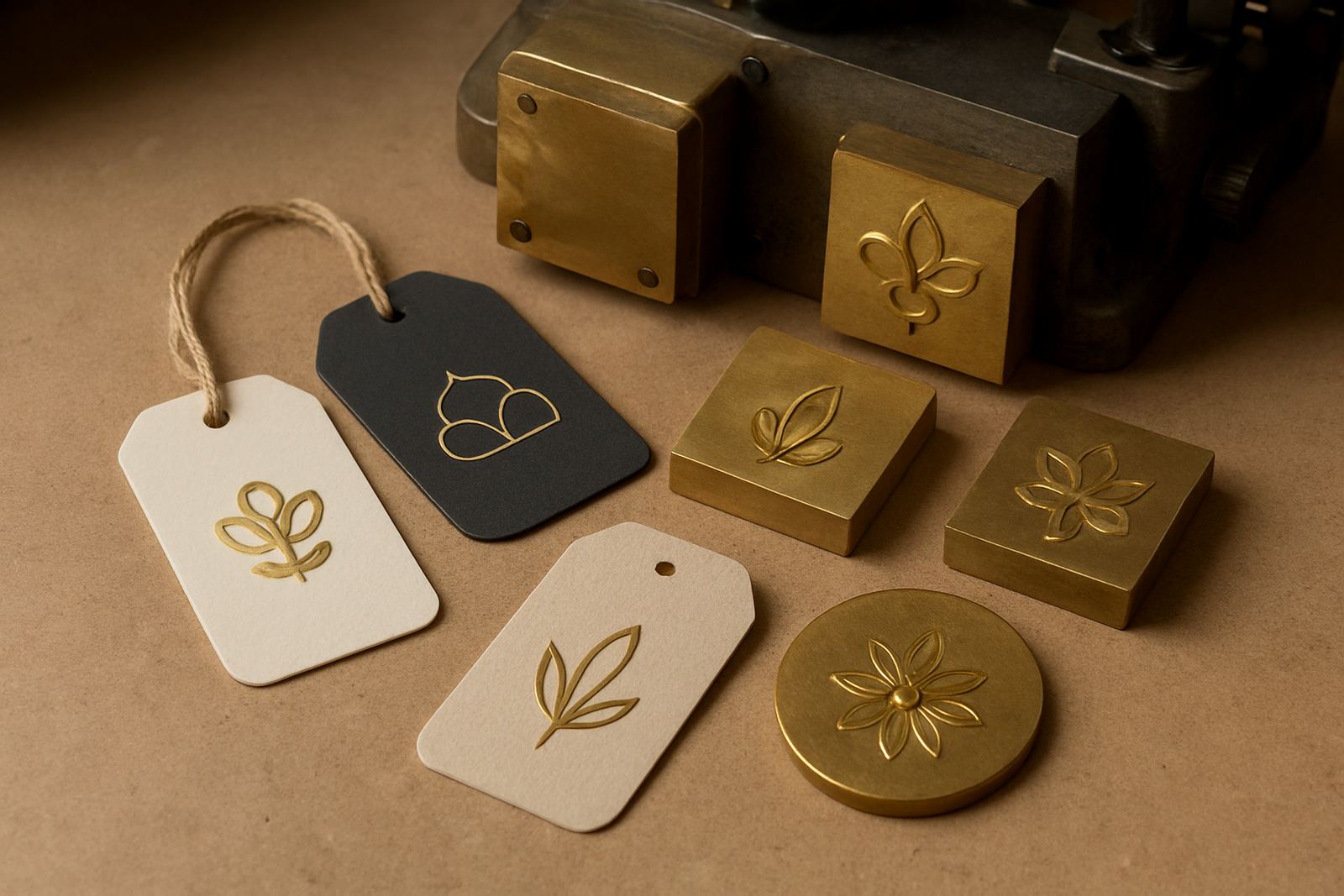
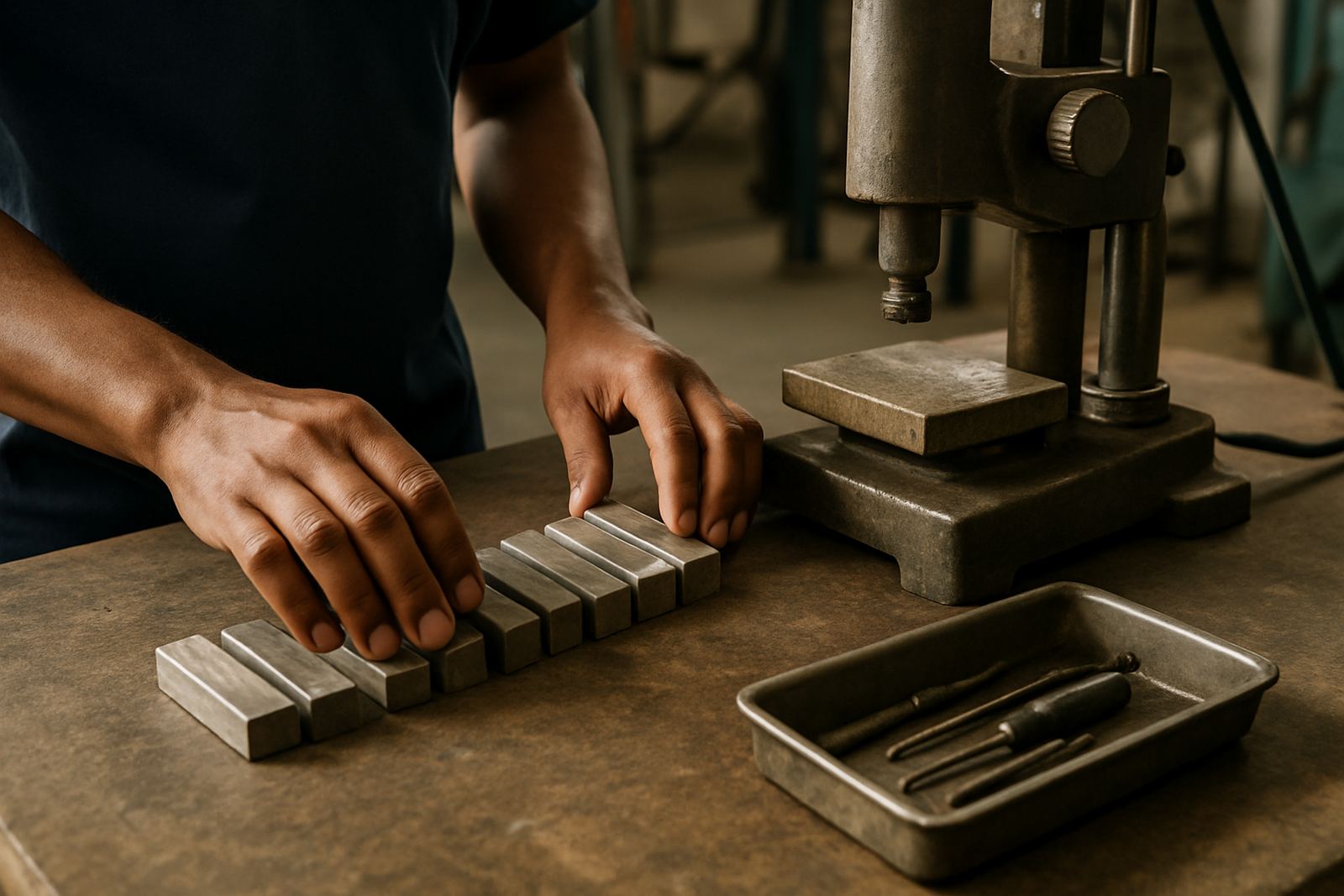
We make serial marking dies in brass and magnesium, depending on the material, quantity and how often the die will be used. Brass is the better choice for higher wear, heavier pressure and repeat work over longer periods. Magnesium is lighter and usually suits shorter runs, lower tooling weight and fast turnaround jobs where the stamp area is smaller.
- Brass dies: preferred for longer life, finer detail and repeated use on demanding jobs.
- Magnesium dies: suitable for lighter duty marking, lower cost and quicker machining on simple serial layouts.
- Single line or multi-line: from one line of digits to stacked codes with prefixes, suffixes or date fields.
- Fixed or changeable content: we can make dies for a permanent number block or repeated code format.
Typical sizes range from small marking blocks around 10 x 20 mm up to larger plates for wider copy areas, depending on the layout and the machine bed. Depth and line thickness are matched to the substrate so the mark remains legible without crushing the stock.
Where Serial Marking Dies Work Best
Serial marking dies suit print finishing and packaging environments where the code must be applied neatly and in a controlled position. They are often used on folding cartons, carton sleeves, presentation packs, labels, tags, invoices in book form and short production codes on coated packaging. On some jobs, the serial number is also used for internal audit or warehousing checks.
They work well on hot stamp machines set up for foil coding or blind impression where the surface and pressure are matched correctly. For coastal areas such as Durban, Gqeberha and Cape Town, the finished die should be stored dry because humidity can affect steel holders and surrounding tooling. If the site has load-shedding, it helps to plan the run when the heated unit and compressor are on stable power, as a cold setup can spoil the first few impressions.
- Packaging houses running traceable batch work
- Finishing teams stamping after print and die-cut
- Short run promotional packs with changing codes
- Labels and cartons where a neat serial mark is needed
Installation, Heat and Press Setup
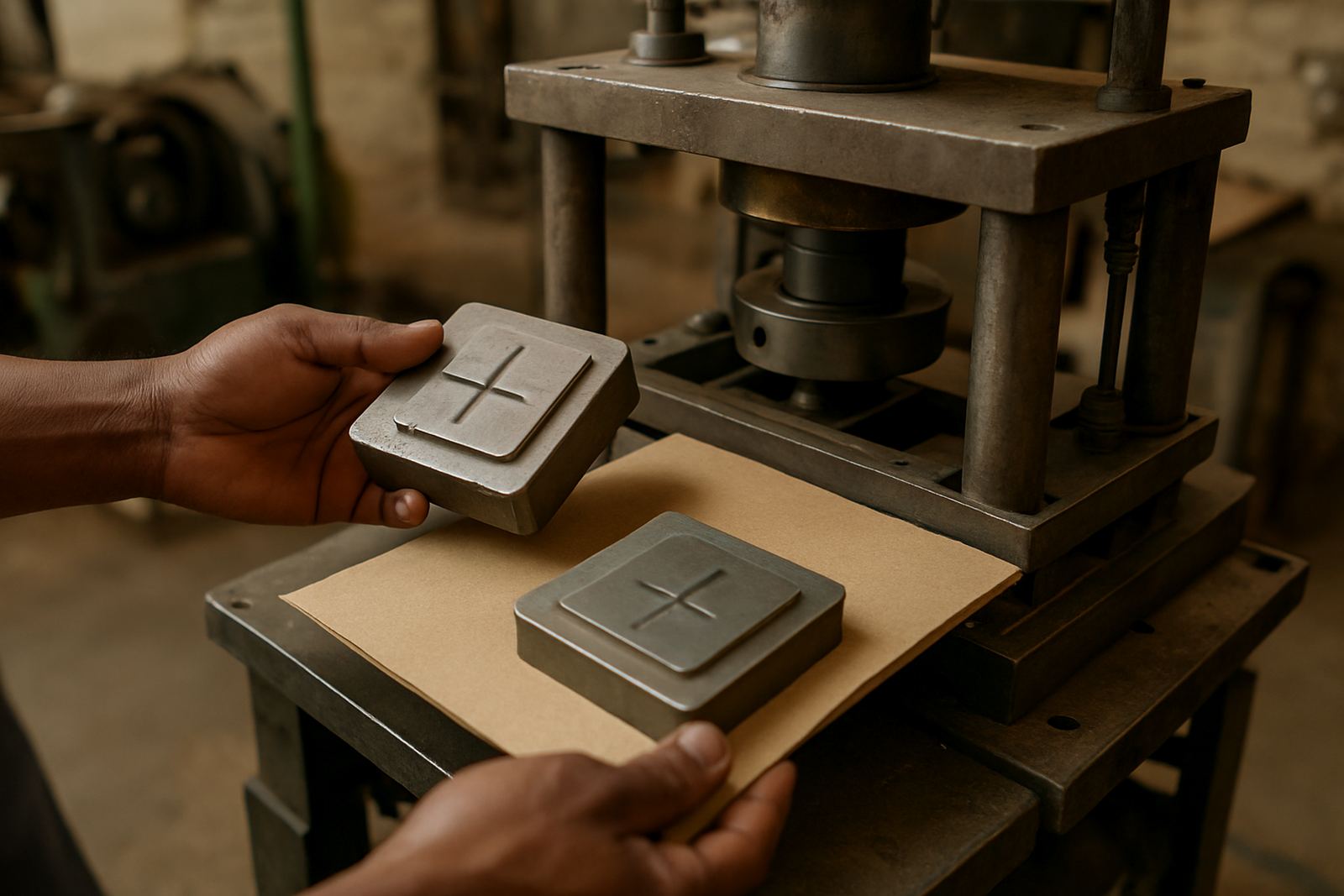
Serial marking dies must be mounted squarely and checked for alignment before production starts. The holder, chase or plate system needs to match the machine size and fixing method so the die sits flat and transfers heat evenly. If the die is off centre or loose, the first thing you see is uneven pressure, broken characters or a blurred edge.
Most serial dies need a heated hot stamp unit with controlled pressure. Some applications also need foil feed and a clean backing surface, while others are run as blind marks with no foil at all. Electrical supply depends on the machine being used, but stable power matters more than high power. If a compressor or vacuum unit is part of the setup, that must be checked too. Gas is not normally needed for the die itself, though some plant setups use gas heated units for specific processes. For sites in Industria, Boksburg or Germiston, the practical point is to make sure the machine reaches a steady temperature before the first impression.
- Confirm the die size matches the holder and machine bed
- Check the marking position against the artwork or sample sheet
- Test temperature, pressure and dwell time before full production
- Allow for straight feed and a firm backing surface
Care, Cleaning and Repeat Use
Good care helps serial marking dies keep their edge and stay readable. After use, the face should be cleaned gently to remove foil residue, adhesive build-up or dust from coated stock. A soft brush, lint free cloth and suitable cleaning method are usually enough. Aggressive scraping can damage fine numbers or thin lines, so that should be avoided.
When a die is not in use, store it flat in a dry place and keep it wrapped or boxed so the face does not rub against other tools. On busy jobs, mark the die clearly and file the production details so the same layout can be repeated later. If a die starts to mark unevenly, it may need cleaning, re-setting or a small alteration before it is sent back into line. Our team handles die cleaning, damage assessment and repeat ordering, which helps keep the job moving without starting over. A little care goes far when the same serial format is used again and again.
What to Send When Ordering a Serial Marking Die
The best die starts with clear information from the customer. If the serial format is right from the start, the job is quicker and there is less back and forth before engraving begins. We check artwork, size, line weight and machine fit before production so the finished tool can go straight to work.
- Text or numbering sequence: supply the exact digits, letters or code format needed
- Finished size: give the mark area in mm, including any border or spacing
- Material to be stamped: carton, label, coated stock, foil or another substrate
- Machine details: holder type, chase size, plate size and any depth limits
- Run volume: short run, repeat order or high use production
- Finish required: blind impression, foil mark or other appearance requirements
If a sample impression is available, it helps us judge depth and clarity before the die is cut. We can also advise on counterforce matching where needed, especially on thicker board or uneven surfaces. For urgent jobs in Pretoria, Cape Town, Bloemfontein or Polokwane, our dispatch team packs carefully so the die arrives ready for fitting, with the details filed for the next order.
Key facts
| Product type | Custom serial marking dies for hot stamp numbering and coded packaging |
|---|---|
| Materials | Brass or magnesium, selected to suit run size and wear level |
| Common sizes | From small 10 x 20 mm marking blocks to larger custom plates |
| Marking styles | Single line, multi-line, fixed number blocks, codes and short text |
| Applications | Folding cartons, labels, sleeves, tags, packs and finishing work |
| Supply area | Johannesburg base with courier delivery nationwide, including major metro and regional centres |