What pharma carton dies are used for
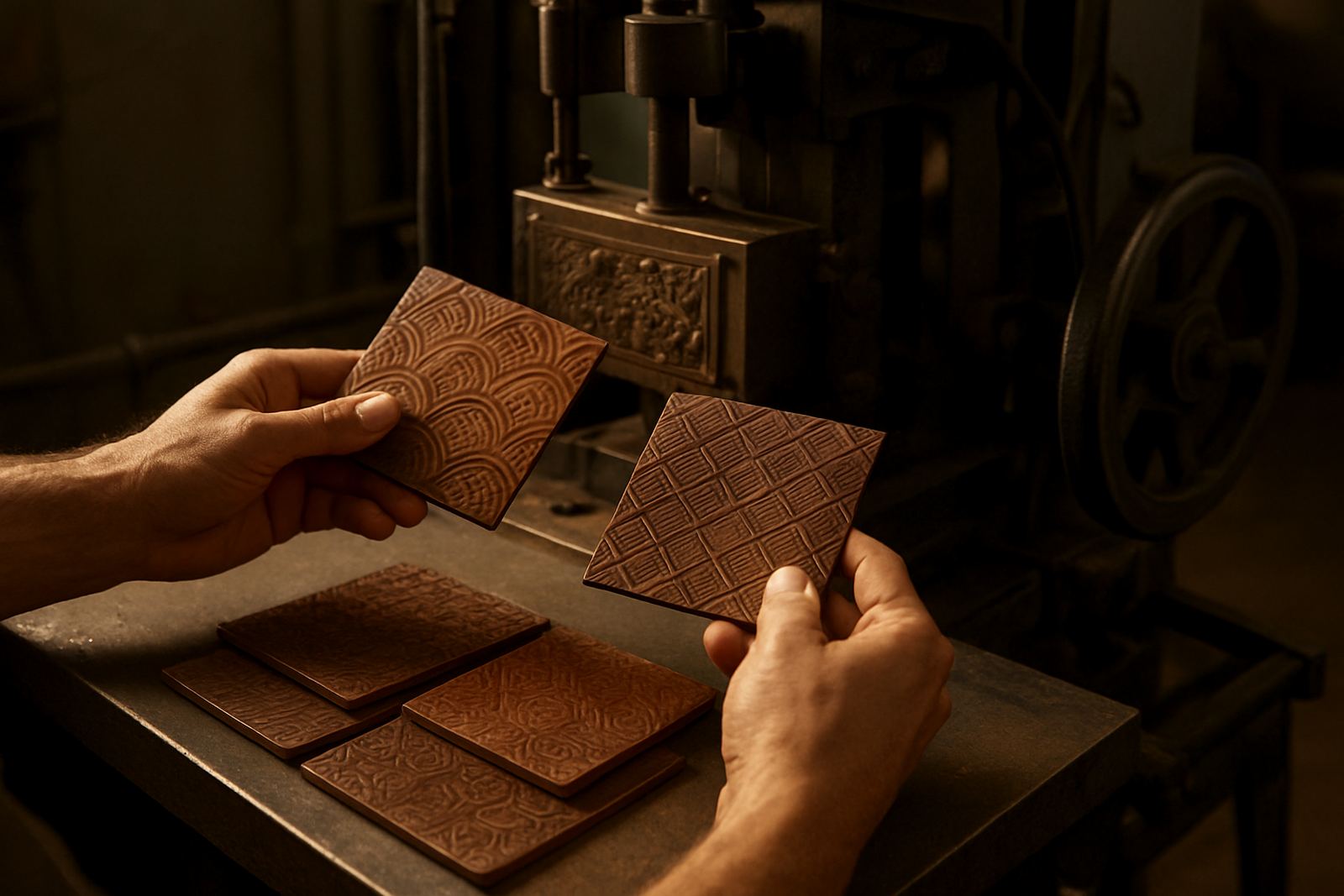
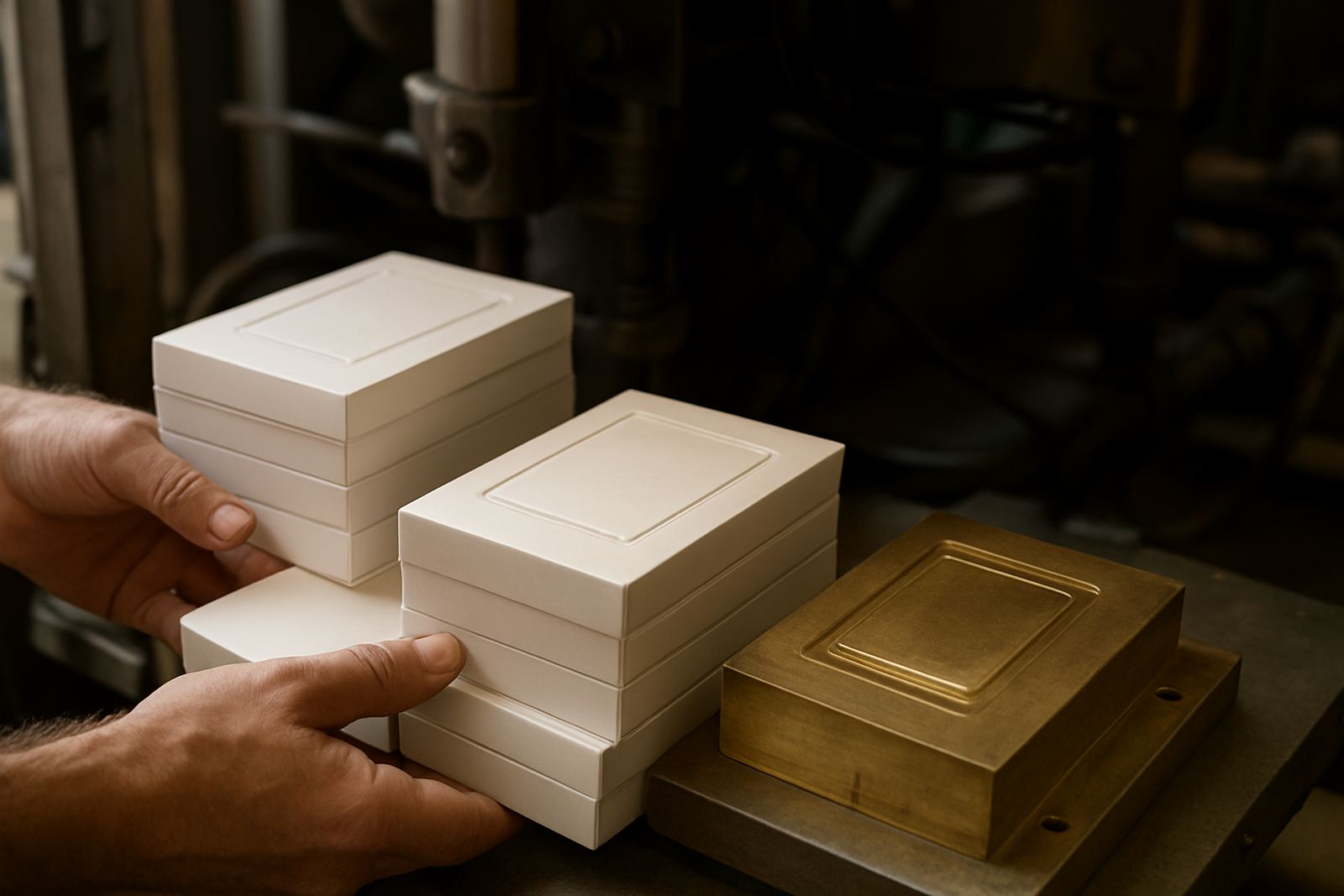
Pharma carton dies are finishing tools used to hot stamp, emboss, deboss, or create foil marks on pharmaceutical cartons. They are set into heated tooling on presses used by offset, flexo, and finishing teams, then pressed against the carton board with a matching counterforce or die board. The result is a sharp impression that stays readable on small panels, dosage information blocks, batch areas, and tamper related pack details.
For medicine packaging, the job is not only appearance. Impressions must remain consistent from the first carton to the last, and the die has to hold detail even where the artwork is fine or the board is coated. That is why we make dies for repeat production, where the same pack is ordered again months later and the finish must match the approved sample. In a busy plant, that saves time and avoids rework.
- Suitable for cartons with fine text, logos, seals, and regulatory marks
- Works with foil stamping, blind embossing, and debossing setups
- Useful for batch runs, repeat packs, and controlled artwork changes
Brass and magnesium options for different carton runs
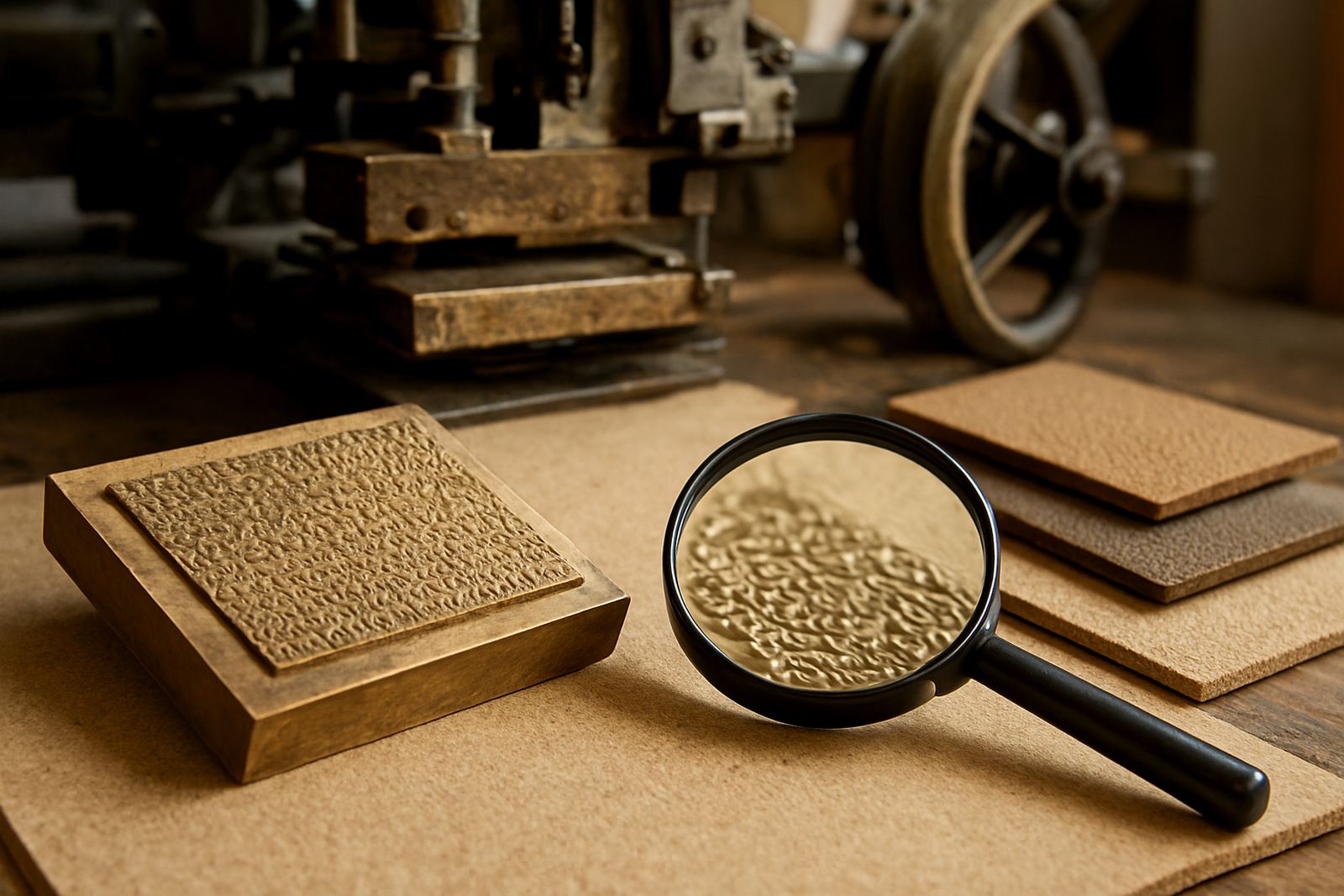
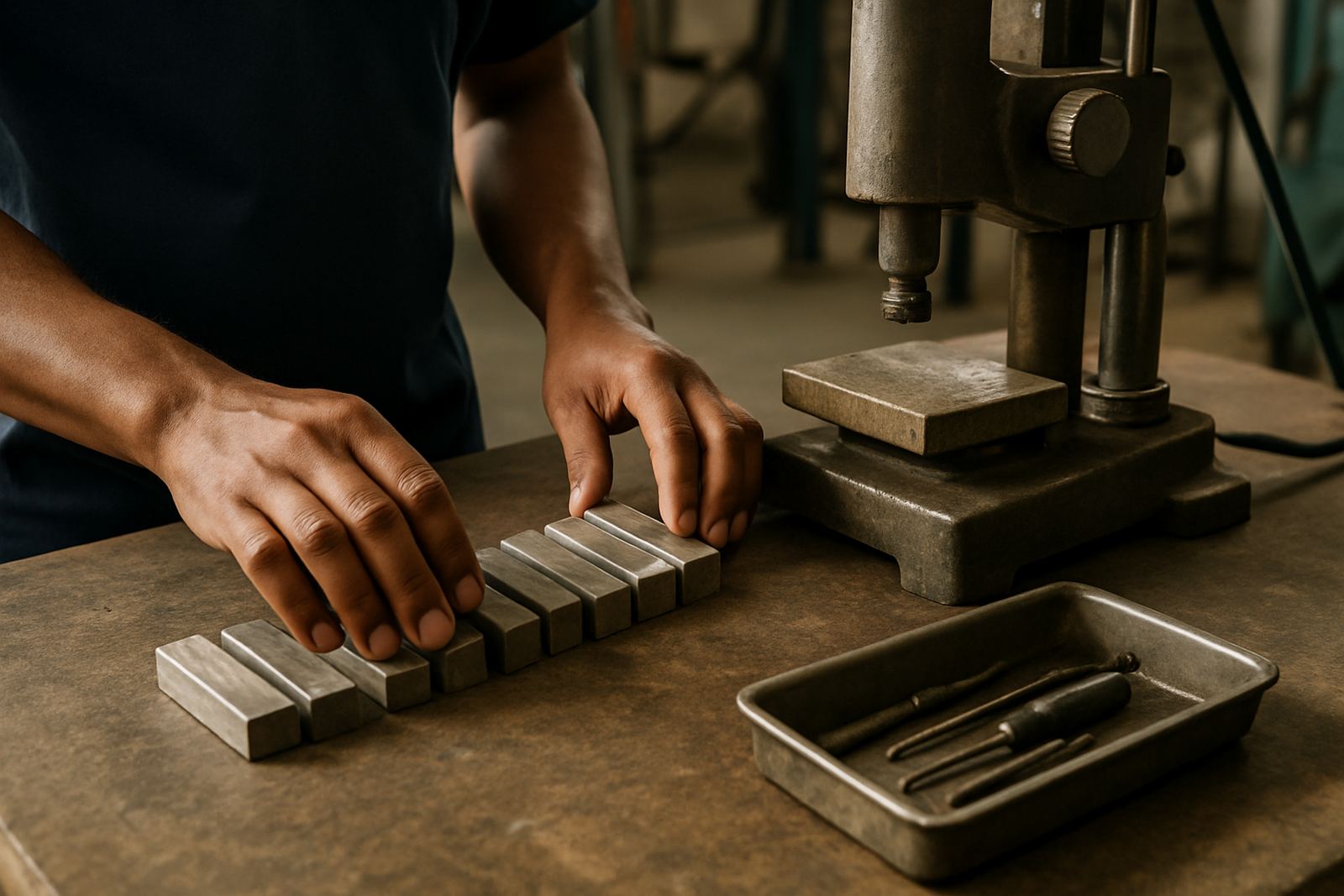
We supply brass and magnesium dies, depending on the run size, detail level, and press conditions. Brass is usually preferred for longer life, finer detail, and repeated use on harder or more demanding jobs. Magnesium is a practical choice where the run is shorter or the turnaround must be fast and the tooling needs to be lighter in weight.
For pharma cartons, the choice often comes down to detail retention and how often the artwork will be reused. If the carton has small type, registration marks, or a precise border line, brass gives very good control. If the job is a short production batch or a single campaign, magnesium may be more cost effective. We can advise on the right option after checking the artwork and the finishing method.
- Brass for high detail, repeat use, and longer service life
- Magnesium for short runs, faster production, and lower initial cost
- Both options can be made to suit hot foil, embossing, or debossing
Sizes, thickness, and working detail we can machine
Pharma carton dies are made to suit the carton size and the available press area. We can produce small dies for narrow carton faces as well as larger multi-panel layouts for sleeves, tuck ends, inserts, and outer cartons. Thickness is chosen to suit the press setup, the board strength, and the depth needed for the impression. Where the job calls for a fine image, we keep line work clean and the edges well defined.
Typical tool features include raised artwork, countersunk areas, and matched profiles for embossing plates. We also handle repeat orders, die alterations, and counterforce matching where the original press setup has to be mirrored. If a carton has changed slightly, we can adjust the die rather than starting over, which helps when packaging specs are already approved by a client or printer.
- Common working sizes: small carton marks up to large sheet-based tooling
- Suitable for line detail, logos, panel borders, and security style marks
- Available as single dies or matched die sets for repeat production
Where this tooling suits in the print chain
This product suits pharmaceutical carton makers, packaging houses, and print finishers that need clear impressions on folding cartons, labels, inserts, and secondary packaging. It is used where printed packs must look neat on shelf and still meet the practical demands of production, from clean transfer to stable alignment. In Johannesburg, Pretoria, Durban, Cape Town, Gqeberha, Bloemfontein, Polokwane, and Mbombela, we supply to operations that need consistent finishing without delays.
It also works well when the carton artwork has compliance details that need to stay legible after finishing. Small text must not break up, and foil areas should not fill in or blur. A well made die helps the printer keep the impression crisp even on coated board, and even when the plant is pushing through a schedule. Load-shedding, humidity near the coast, and tight dispatch windows can all affect planning so the tooling must be ready first time.
Installation, press setup, and power or gas needs
These dies are installed into the finishing press or stamping setup by the production team. The exact mounting method depends on the press type, the chase size, and whether the job is being run with heat, pressure, or both. Most setups need correct alignment, a matched counterforce, and stable temperature control so the impression lands evenly across the carton.
Hot stamping and embossing equipment usually needs electricity for heating and motion, and some lines use compressed air as part of the control system. Gas is not normally used on the die itself, though certain heating arrangements in a plant may rely on separate plant systems. If your site has load-shedding backup, we can help you plan the job so the die is ready for the next run and not left sitting on a paused line.
- Check press chase size and mounting method before ordering
- Confirm heat source, air supply, and available power on site
- Make sure the counterforce matches the board thickness and impression depth
Care, cleaning, and servicing for longer life
Good care helps the die keep its edges and gives more consistent results over time. After use, the die should be cleaned of foil residue, board dust, and adhesive build-up. Store it flat and dry, especially in humid coastal conditions where brass and mounting surfaces can be affected if they are left exposed. In inland sites the dust load can be heavy, so a clean storage box or wrapped pack is worth keeping.
We also provide die cleaning, damage assessment, and servicing when a tool has started to mark unevenly or has been knocked in dispatch. If a repeat job shows wear, we can inspect the face, check the detail, and advise whether the tool can be altered, cleaned, or remade. This is often cheaper than trying to force an old die through another production cycle and hoping it still prints well.
- Clean after each run and keep away from moisture
- Store flat to prevent edge damage and distortion
- Send worn tools for assessment before the next batch starts
What to send with your enquiry so we can quote correctly
When you ask for a pharma carton die, the clearest quote comes from a good artwork file and a few practical job details. Include the finished carton size, the impression type, the substrate or board type, and whether this is a new tool or a repeat order. If you have a sample impression, photo, or approved carton, send that as well. It helps us match the depth and line weight properly, especially on critical packaging.
Also tell us your expected run quantity, the press or finishing method, and the turnaround needed. If there are municipal or client requirements for safe pack handling, job filing, or dispatch separation, mention that at the start. Our team in Industria, Johannesburg checks artwork, matches counterforce, handles packing dispatch, and arranges courier delivery nationwide from the same job file, so repeat ordering stays straightforward.
- Finished carton size and board type
- Artwork file, sample impression, or approved pack photo
- Run quantity, turnaround, and delivery destination
Key facts
| Material options | Brass or magnesium |
|---|---|
| Typical use | Hot stamping, embossing, and debossing on pharmaceutical cartons |
| Detail level | Fine text, borders, logos, and compliance marks |
| Order support | Artwork checks, die design, repeat ordering, and alterations |
| Dispatch | Packed and couriered nationwide from Industria, Johannesburg |
| Service areas | Johannesburg, Pretoria, Durban, Cape Town, Gqeberha, Bloemfontein, Polokwane, Mbombela |