
Start With the Job, Not the Material
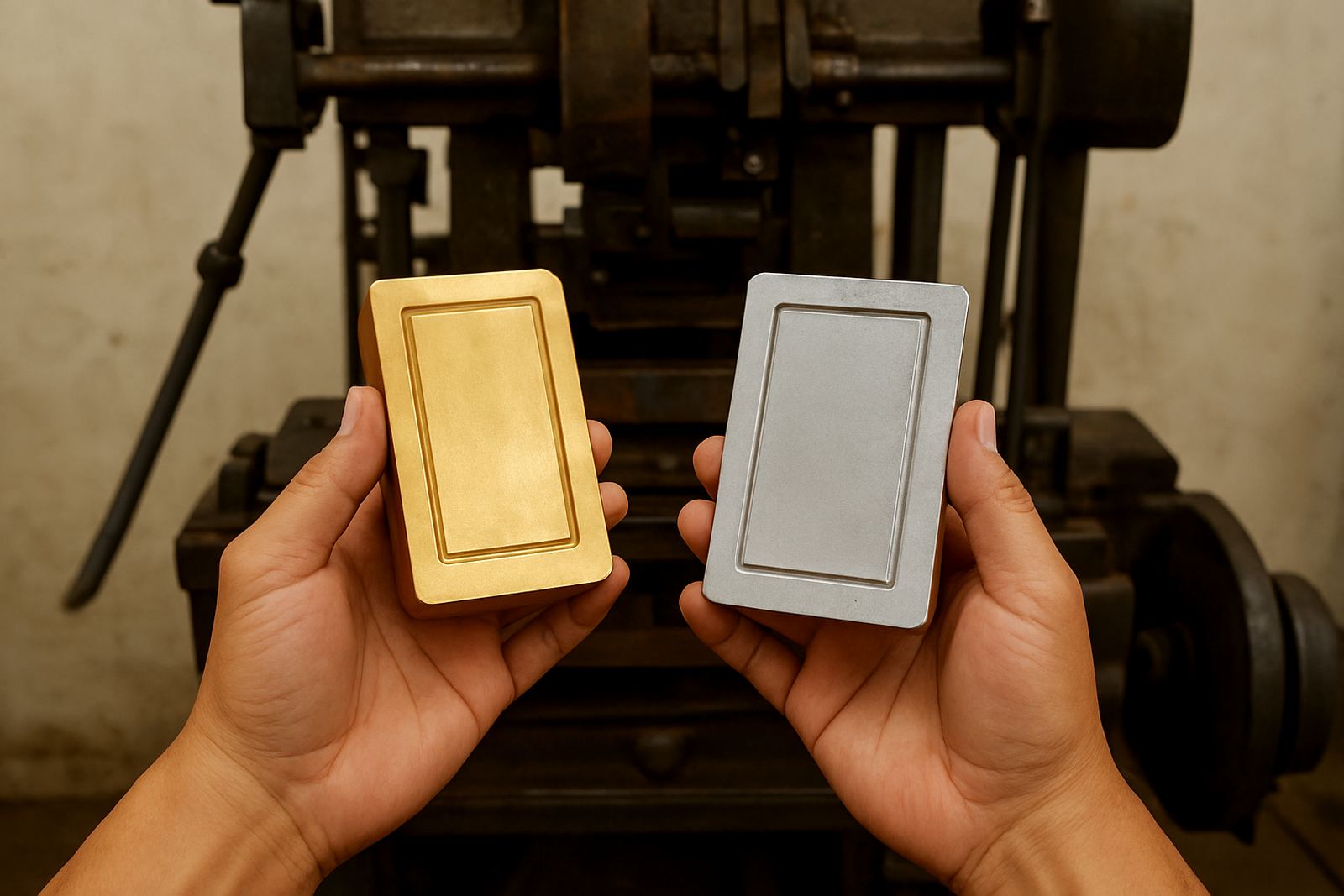
When a client asks whether brass or magnesium is better, the honest answer is that it depends on the work in front of you. A short run for a boutique carton, a long production run for a wine label, or a repeat job for a national brand all place different demands on the die.
In Johannesburg and across South Africa, print finishers often need a quick decision because the press schedule is tight and freight can affect deadlines. If a job is likely to be repeated, or if it needs crisp detail on coated board, brass usually earns its keep. If the run is shorter and the artwork is straightforward, magnesium can be a sensible and cost conscious option.
Why Brass Suits Demanding Finishing Work
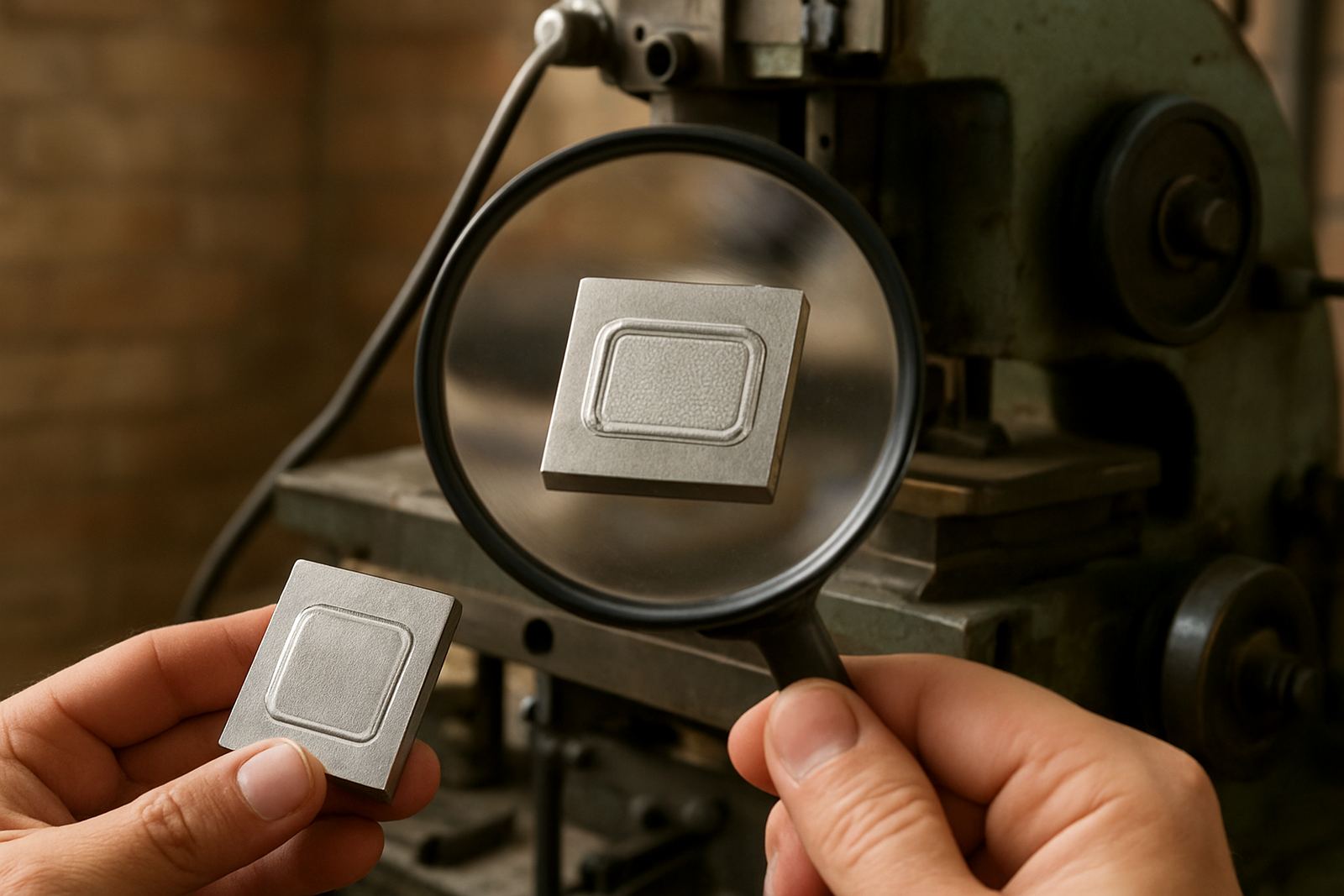
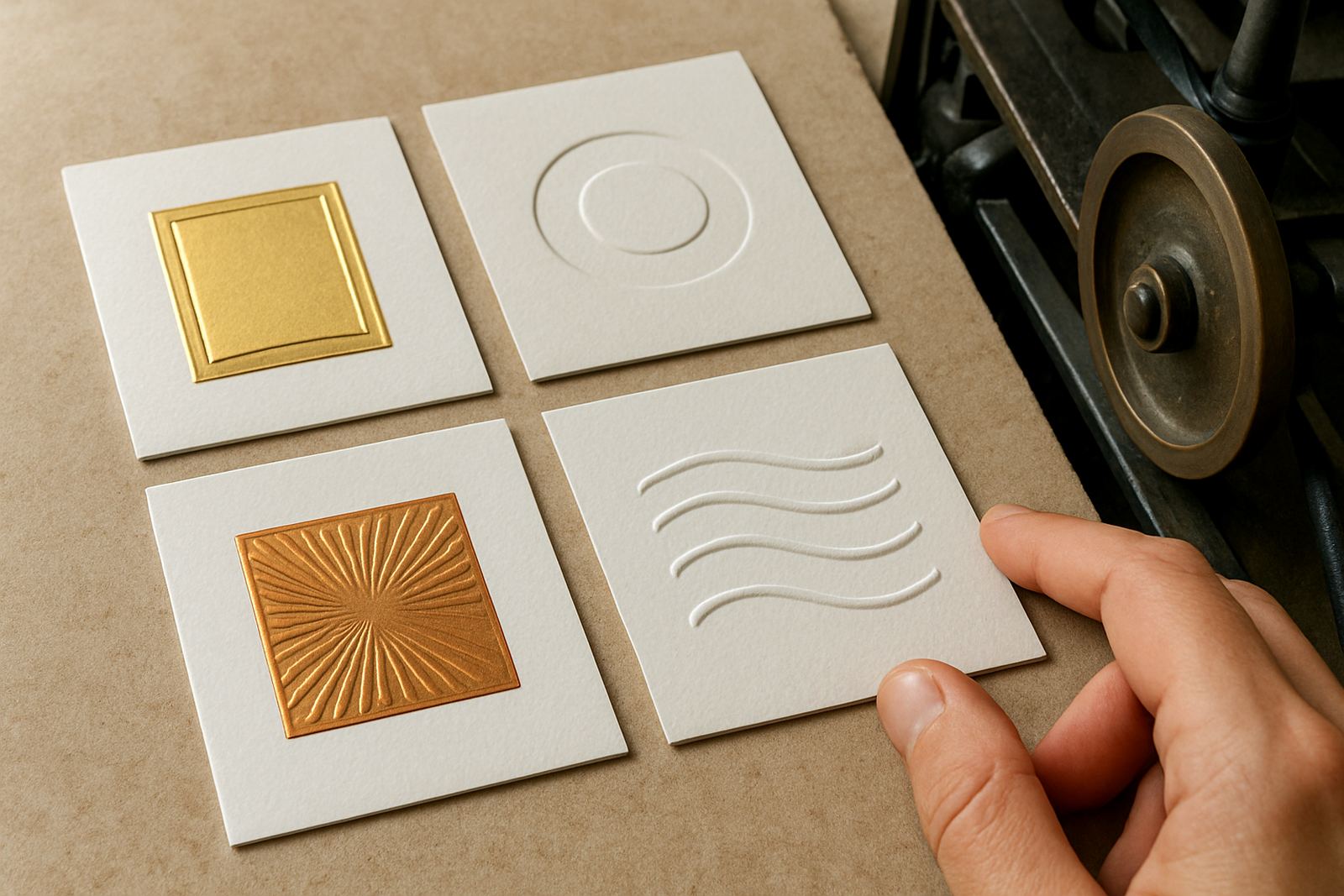
Brass dies are chosen for detail, durability and consistency. They hold fine lines well, stand up to repeated heating, and are well suited to deeper embossing and tougher production schedules. For packaging houses that do premium cartons, labels, tags or multi stage finishing, brass often gives better control over the final impression.
- Longer runs where the die will be used again and again
- Fine line logos, small text and intricate borders
- Jobs needing deeper embossing or a cleaner edge
- Repeat orders where keeping the same setup matters
- Work that must handle heat and pressure without shifting
Brass also gives more confidence when a client wants a consistent result across several batches. The initial cost is higher, but for a repeat item it can work out better over time.
Where Magnesium Makes Sense
Magnesium is often the practical choice for shorter runs, simpler artwork and urgent work where the budget must stay tight. It is lighter and generally quicker to produce, which can help when a print finisher in Pretoria, Durban or Cape Town needs a die turned around fast.
For a one off campaign, a small promotional pack or a seasonal label run, magnesium can do the job neatly. It is especially useful where the design is not highly detailed and the press team only needs a clean impression for a limited quantity. It is worth asking how many impressions the job needs before choosing, because that answer changes the picture quite a lot.
- Short runs and one off jobs
- Simple logos or text with less fine detail
- Projects where turnaround speed is the priority
- Lower budget finishing work
- Samples, proofs and trial pieces
Heat, Pressure and the South African Press Floor
Heat control matters in every hot-stamping job, and South African conditions can make it more noticeable. Coastal humidity in Durban or Gqeberha may affect storage and handling, while a busy production floor in Industria can have its own temperature swings during load-shedding or during a hot summer week. That means the die choice should be matched to the process, not just the artwork.
Brass generally handles heat and repeat pressure better over time, while magnesium is more suited to lighter duty use. If the press operator is working on a mixed schedule with several jobs changing over, brass can be the safer option for consistency. For lighter, occasional stamping, magnesium can be perfectly adequate and keeps costs in check.
What to Check Before You Place the Order
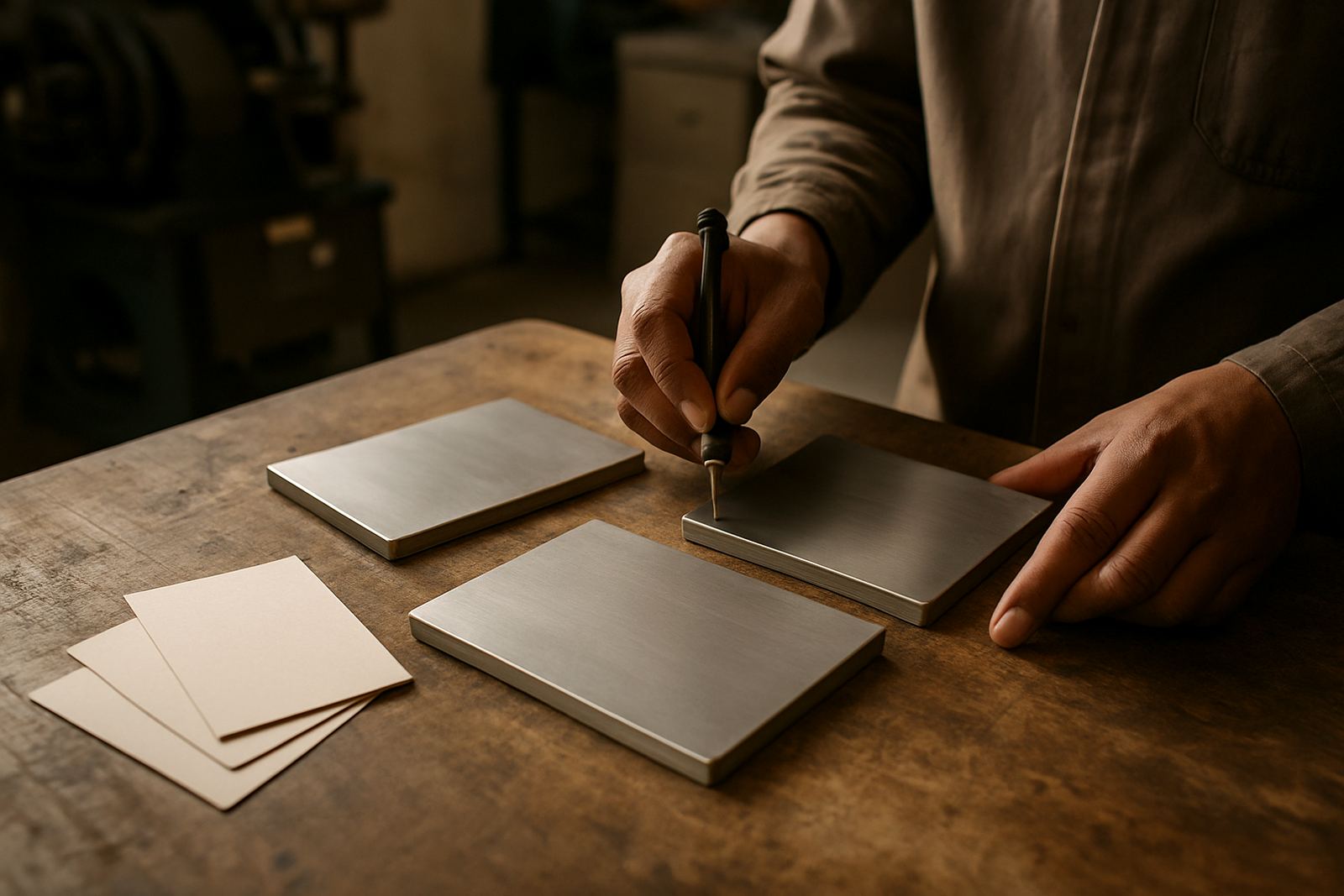
A clean artwork file saves time, but a good result starts with the right questions. Before production begins, it helps to confirm the substrate, the foil or finish required, the press type and whether the job needs matching counterforce or embossing plates. That reduces waste and helps avoid rework.
- Is the artwork fine-lined or bold?
- Will the job run once or many times?
- Does it need embossing as well as stamping?
- Will the die be used on board, paper or another substrate?
- Is there enough time for a sample impression check?
- Will the same die need to be ordered again later?
At Hot Stamping Dies, artwork checks, die design and sample impression advice help narrow the choice before metal is cut. That kind of prep can save a print finisher from a costly false start, especially when the deadline is close and the courier is already booked.
A Local Example From a Packhouse in Gauteng
A packaging house in Johannesburg might need a small luxury sleeve for a seasonal product, followed by a larger repeat run later in the year. For the first job, magnesium can make sense if the artwork is simple and the quantity is limited. But if the same design is likely to be repeated for a retail roll out, brass is usually the better investment.
That same logic applies to clients in Polokwane, Mbombela and Bloemfontein who need dies couriered from Industria. A short order with a fixed deadline may suit magnesium, but a national brand with repeat orders and strict quality expectations is often better served by brass. The right call is not about choosing the more expensive option, it is about choosing the one that fits the work and the production rhythm.
Our team handles engraving production, counterforce matching, die alterations, damage assessment, cleaning, packing dispatch and urgent turnaround, so the material choice can be tied to the actual job on press. When that is done properly, the result is easier to run and less likely to give trouble later.
The Practical Rule of Thumb
If the job is short, simple and budget sensitive, magnesium is often the sensible answer. If the job needs detail, repeat use or a more demanding finish, brass is usually the stronger choice. In many cases the decision becomes clear once the artwork and run length are checked properly.
For South African printers and finishers, the best outcome usually comes from matching the die material to the real production plan, not the assumption. That is the difference between a job that just gets done and one that keeps coming back looking right.