Why coated paper does not behave like uncoated stock
Coated paper has a layer on the surface that fills the pores and gives a smoother, brighter finish. That same layer changes how heat moves, how pressure spreads, and how the foil release layer bites into the sheet. On a good day the result is crisp and clean. On a bad day you get patchy foil, slight haloing, or an emboss that looks sharp in the centre but soft at the edges.
In practice, coated stock gives more control over fine detail, but it also gives less forgiveness. If the paper is too slick, the foil can release unevenly. If the coating is brittle, the pressure from the die can crack the top layer, especially on heavier embosses. For packaging houses in Johannesburg or Cape Town, this matters most when the artwork has small text, linework, or tight solid shapes that must hold up after folding and gluing.
The key point is simple: coated stock is not one category. A soft-touch carton, a gloss label stock, and a machine-coated folding board will all react differently. That is why sample impressions and proper die setting matter, not just the artwork size on screen.
What the coating changes during foil transfer
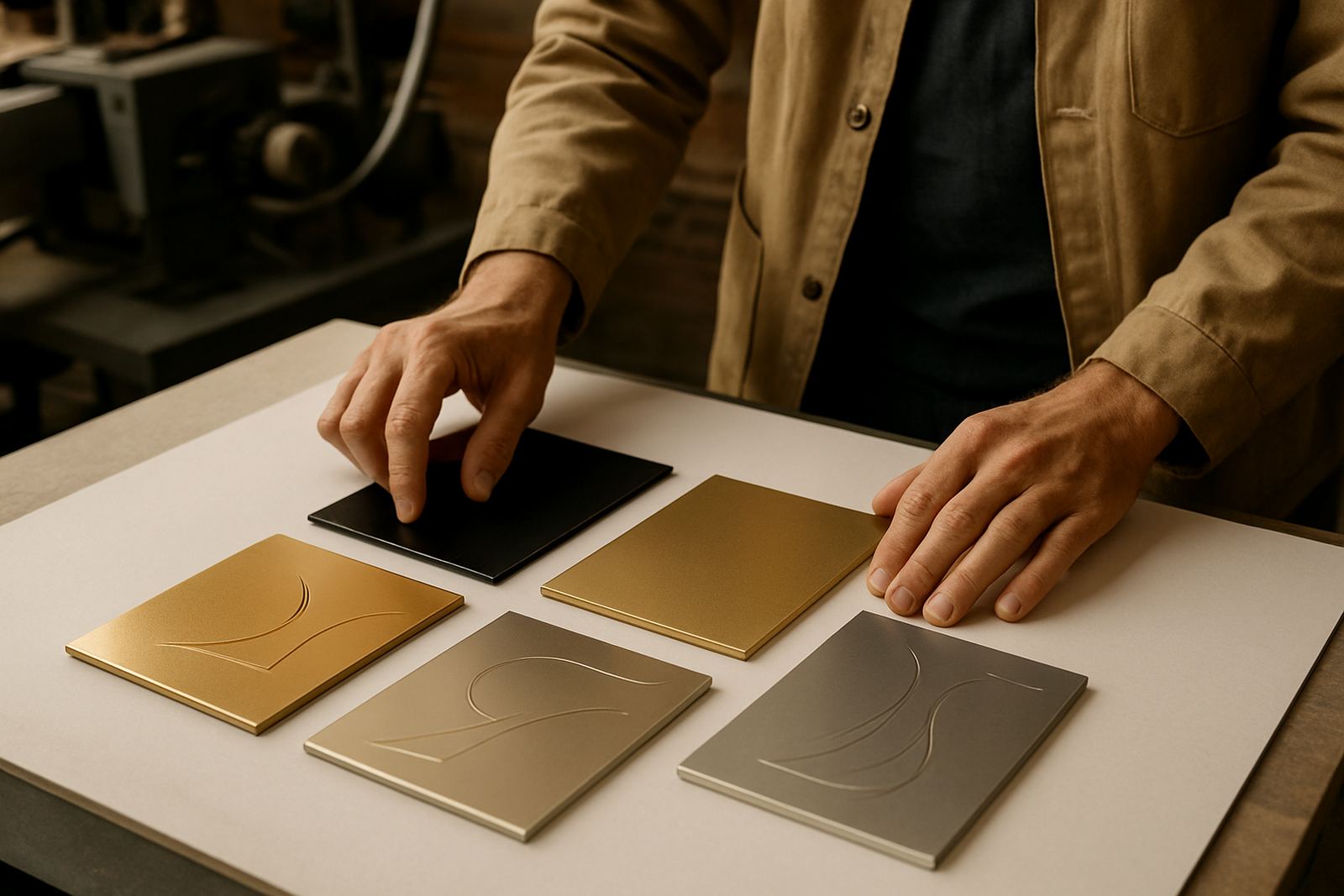
Foil transfer depends on heat, dwell time and even pressure. A coated surface usually needs a cleaner release because the foil sits on top of the coating rather than pulling into the fibres. This can help with sharp detail, but only if the die face, temperature and impression are balanced. Too much heat and the coating can gloss over or mark. Too little heat and the foil may skip in small areas, especially on fine type.
- Gloss coated stock usually gives the brightest foil but can show scuff marks more easily.
- Matte coated stock often needs slightly more heat for a clean release.
- Heavy coatings can resist the impression and reduce edge definition on small text.
- Recycled coated boards may vary sheet to sheet, so consistency needs checking.
In a busy finishing line, operators sometimes chase the problem with extra pressure when the real issue is the coated surface itself. That can flatten fine embossing and shorten die life. A better approach is to start with a clean artwork check, then confirm the counterforce, foil type and press settings before running the full job.
Embossing on coated stock: where detail can be lost
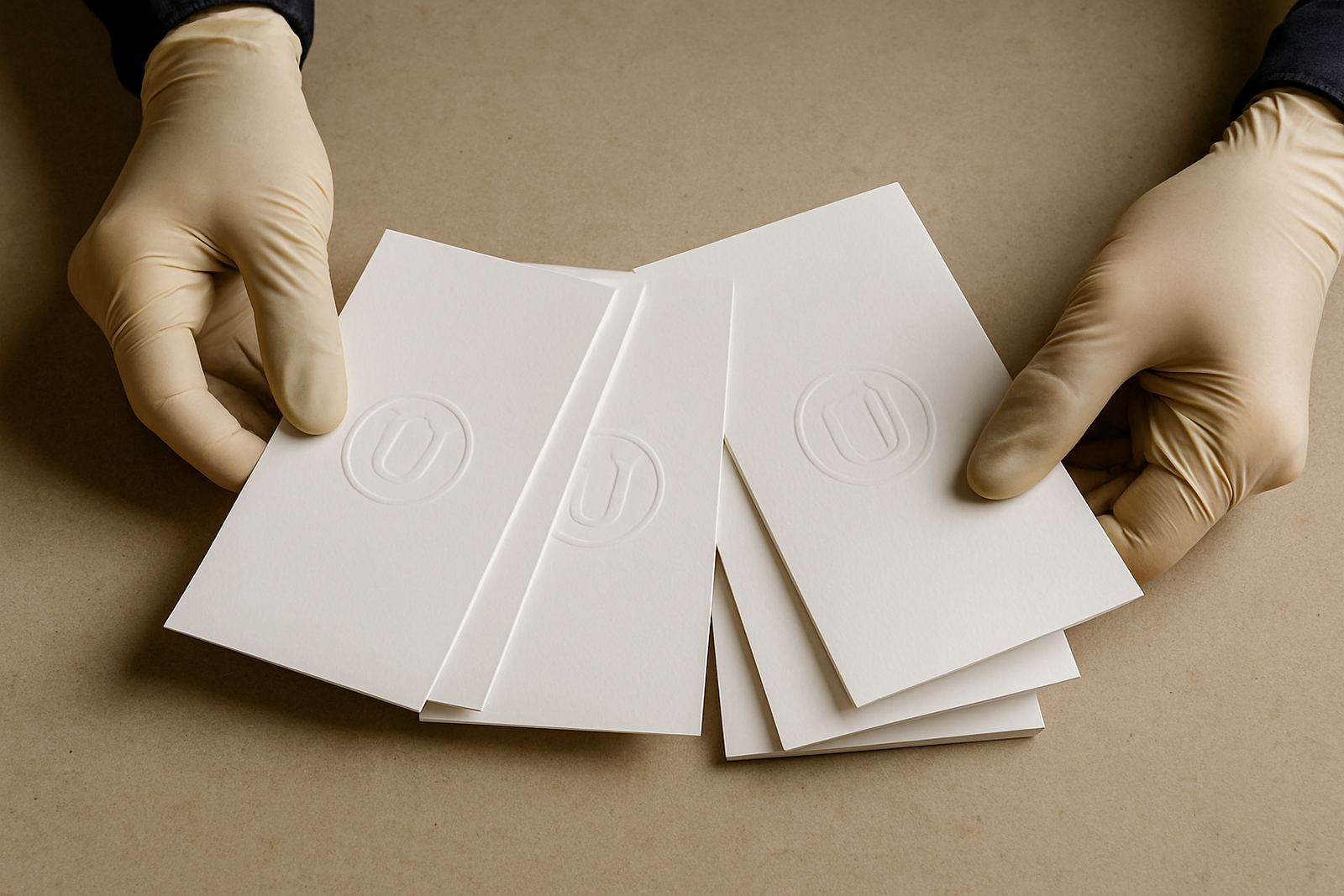
Embossing on coated material can produce a very neat raised shape, but the coating can also hide some of the depth if the design is too shallow. With uncoated stock, the fibres show the impression more freely. With coated stock, the surface layer can spring back a little after pressing, so the finished result may look less pronounced than expected. This is where die depth and counterforce matching become important.
For packaging, a double-layer emboss or a sharper edge profile may be needed where the visual area is small. That said, pushing too hard can crack the coating around the raised area. Once that happens, the finish may look dusty or frayed, especially under strong retail lighting. For cosmetic cartons, premium liquor labels, and high-end promotional work, the balance has to be tested carefully. Not every stock takes a deep emboss well, and the wrong choice can cost time on press.
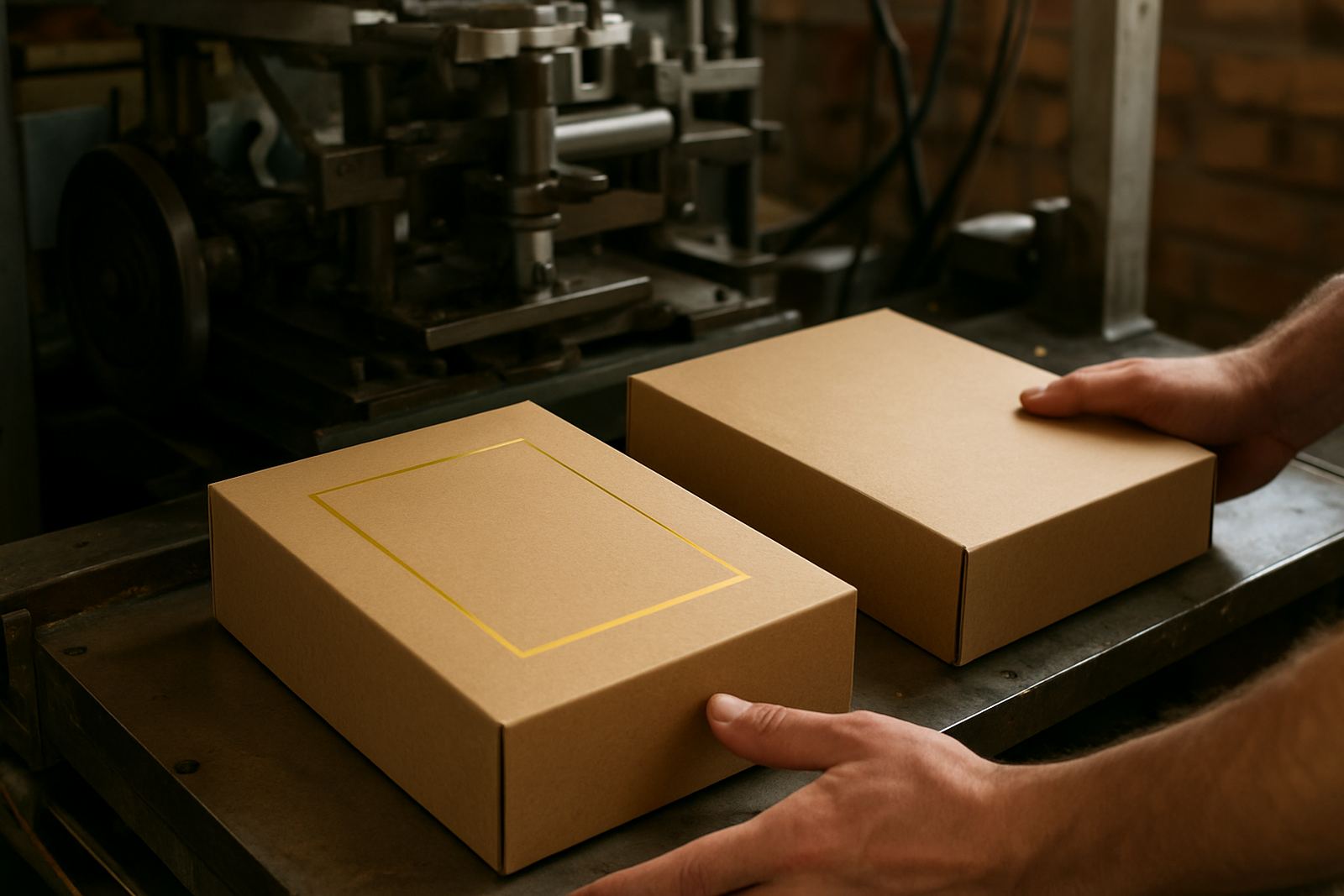
A Pretoria client recently needed a foil-and-emboss finish on a coated folding carton for a gift set. The first sample looked clean on foil but the emboss was too flat on the brand mark. The fix was not more force. It was a better matched die profile and a slight adjustment to the board thickness, which gave the mark better lift without cracking the coating.
Press settings that make the biggest difference
Once the stock has been selected, the press setup does most of the heavy lifting. Temperature, dwell time and pressure should be checked together, not as separate fixes. On coated stock, a small change in one setting can alter the finish a lot. If the foil is dull, a finisher may be tempted to crank up heat. But if the issue is poor impression balance or an uneven board surface, that only makes the result worse.
Useful checks before a full run include:
- Confirming the sheet grain direction and board thickness.
- Testing a short run across more than one area of the sheet.
- Checking whether the foil is suited to coated surfaces.
- Making sure the die face is clean and free of residue.
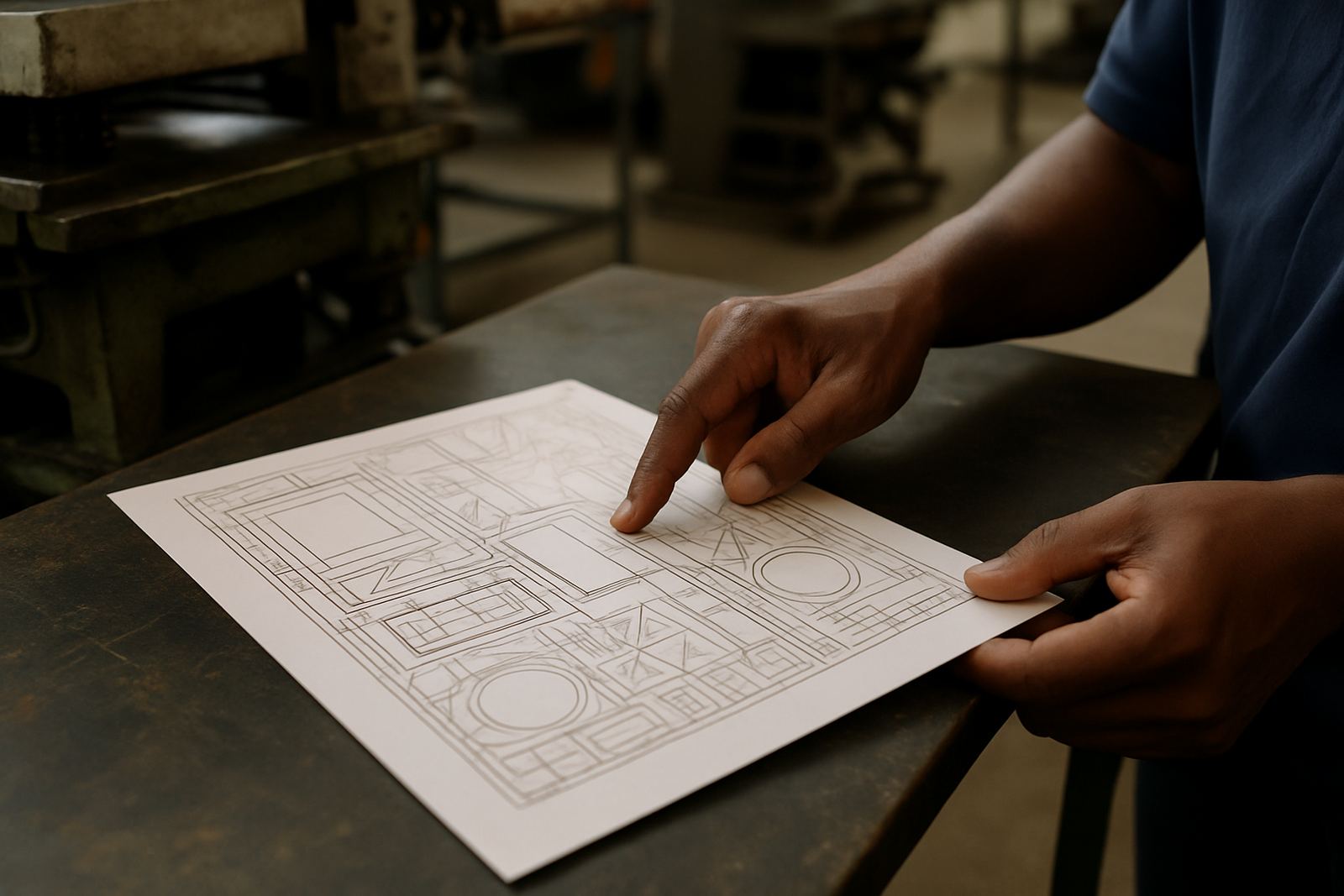
- Reviewing whether the artwork has very fine rules, tiny reverses, or close-set lettering.
Load-shedding can also affect consistency if machines are started and stopped often. When heat recovery is uneven, coated stock may respond differently from the first few sheets to the middle of the run. Good operators keep notes on what worked, then repeat those settings on reorders so the finish stays consistent from batch to batch.
Local conditions that affect coated stock in South Africa
South African conditions matter more than many people expect. In Durban, humidity can influence how coated board stores and feeds, while dry inland conditions in Johannesburg can change static and sheet handling. If stock has been moved between warehouse and press floor without enough time to acclimatise, coated surfaces may behave unpredictably. That can show up as slight slippage during embossing or small areas of weak foil transfer.
Packaging houses in Gqeberha and Cape Town often deal with coastal moisture, and that can affect stacking, curling and the way sheets sit under pressure. In Polokwane or Mbombela, the issue may be heat and storage time rather than humidity. Either way, coated stock should be handled with care, kept flat, and allowed to settle before finishing. A job that looks perfect in prepress can still fail if the sheets move after unpacking.
For businesses working to tight schedules, it helps to plan for these variables early. If the job includes foil, embossing and die-cutting, the best results usually come from a short test, clear job notes, and practical advice from the die side before production starts. That saves time and avoids rework, which is what every print finisher wants.
How to specify coated jobs so the finish holds up
When a job is being prepared, the right brief makes a real difference. A clean artwork file is only the start. The die maker also needs to know the stock type, intended press method, whether the finish must register tightly with print, and whether the job will be folded, creased or handled after packing. If the carton is going to sit on a shelf in strong light, surface cracking and foil shine become more visible, so the finish needs to be planned with that in mind.
To avoid problems, include these details in the job file:
- Exact coated stock grade and thickness, if known.
- Whether the finish is foil only, emboss only, or both together.
- Expected run size and whether repeat ordering is likely.
- Any tight register areas, reverses or fine lettering.
- Whether the sheets will be stored, couriered or finished same day.
A good coated-stock result is not about luck. It comes from matching the die, the press and the sheet. When those three line up, the foil sits cleanly and the emboss holds its shape with proper definition. If one piece is out, the surface tells the story immediately. That is why careful checking at the start is worth far more than trying to rescue the job at the end.