What Changes the Price of a Die
When print buyers ask for a price, the first thing to remember is that a hot stamping die is made to suit one exact job. A small simple line logo will cost less than a full label with fine lettering, tight spacing, and deep coverage. The more detail the die must hold, the more time goes into artwork checks, layout, engraving and finishing.
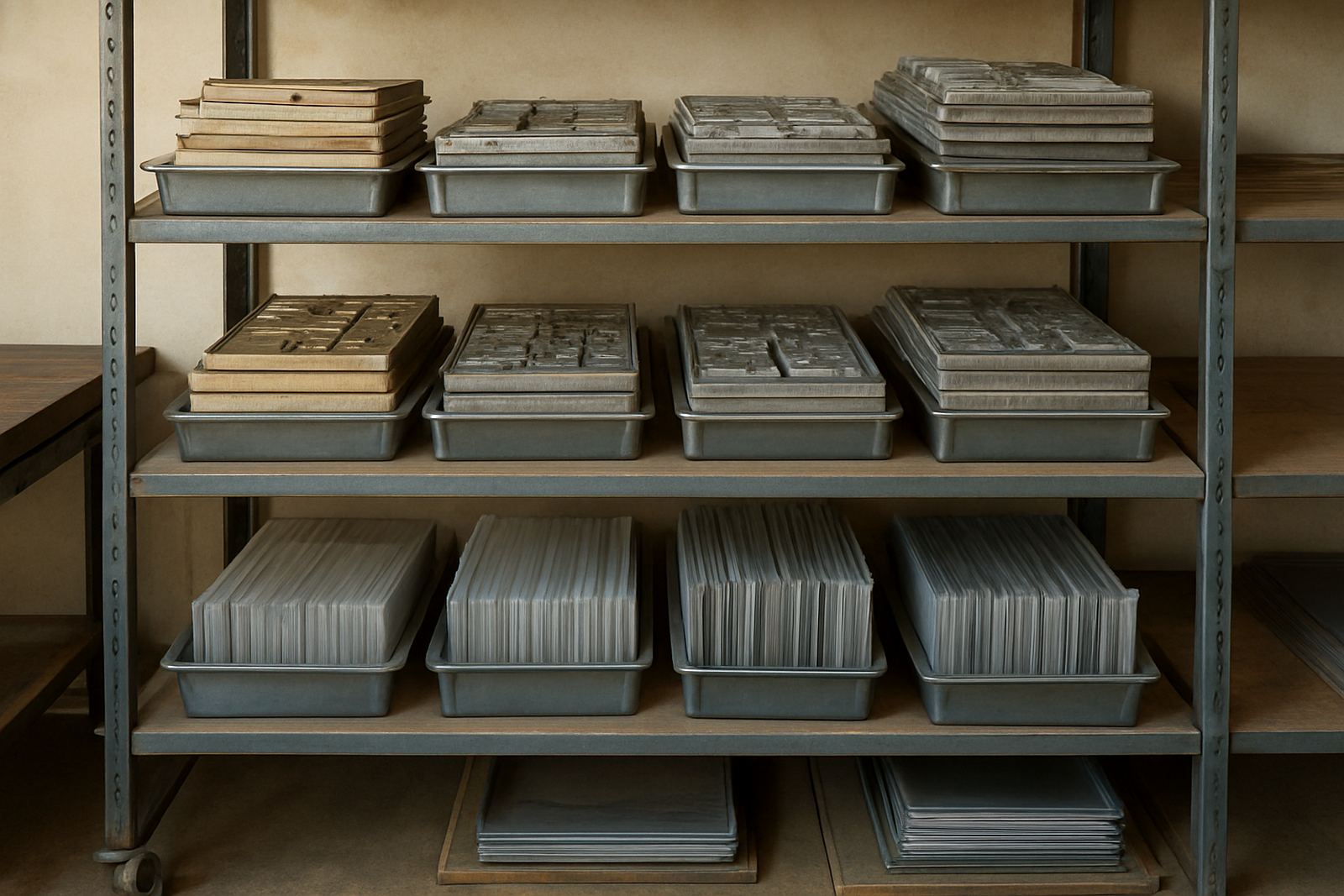
Material choice also matters. Brass dies are generally selected for longer runs, higher heat demands, and more demanding applications, while magnesium dies are often used where turnaround and cost need to be kept tight. The right choice depends on the substrate, press conditions, and how often the same job will be repeated.
- Artwork complexity
- Die size and coverage area
- Material selected
- Required turnaround time
- Any changes to an existing die
Why Artwork Quality Affects the Quote
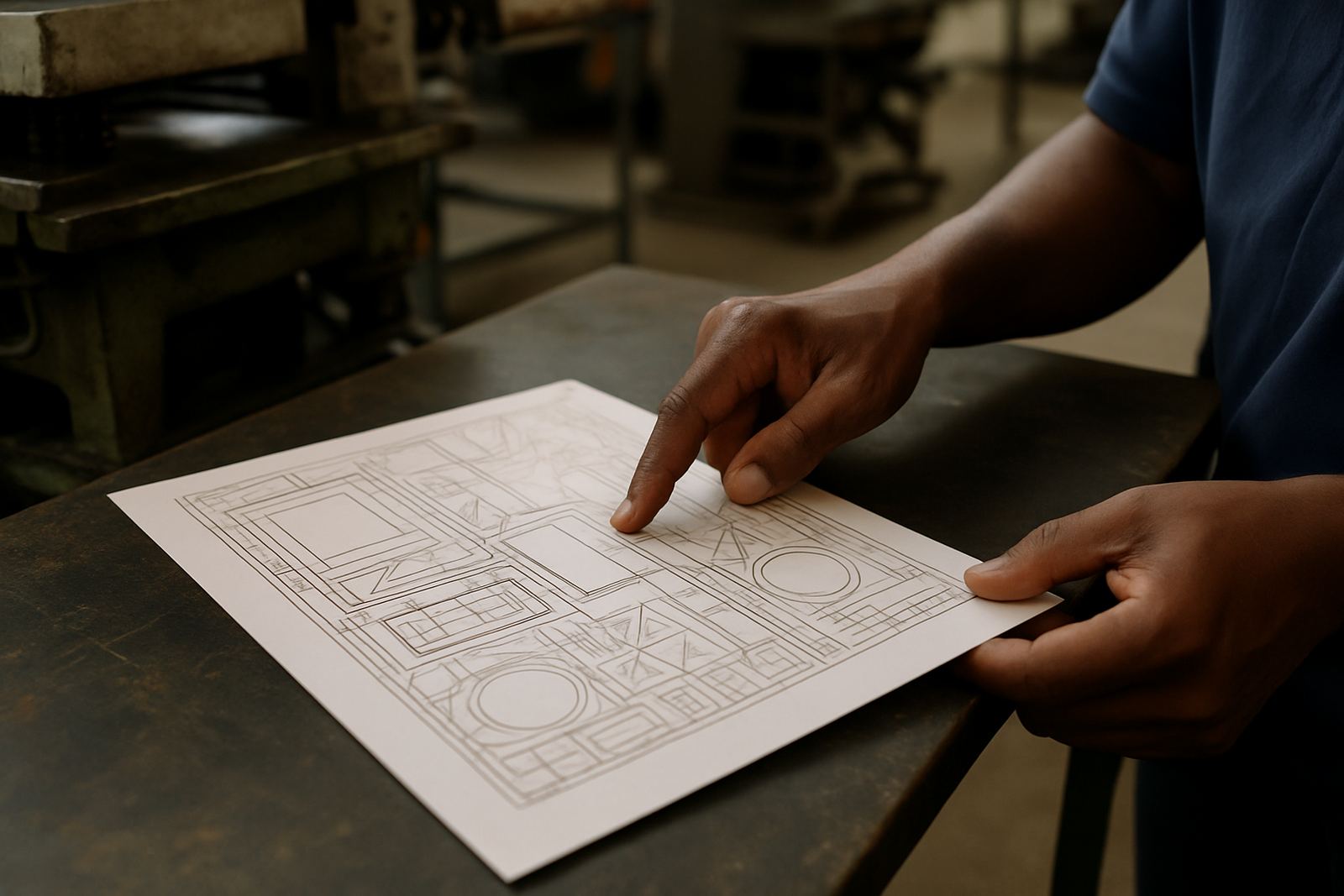
Clean artwork saves time and money. If the file is sharp, the text is readable, and the line work is set up properly, the quote usually stays more accurate. If a logo arrives in a low-resolution file or with missing elements, extra time is needed for artwork checks and correction before production can begin.
Thin strokes, reversed type and very small details can also push the cost up because they need closer handling during engraving. On print finishing work, a tiny shift in a line can make the impression look weak or uneven. That is why good prepress input is worth more than people often realise.
- Vector artwork is easier to work with than a flat image
- Small text needs careful spacing to stay legible
- Faded scans often need redrawing
- Changes after approval can add to the final cost
Size, Coverage, and the Shape of the Job
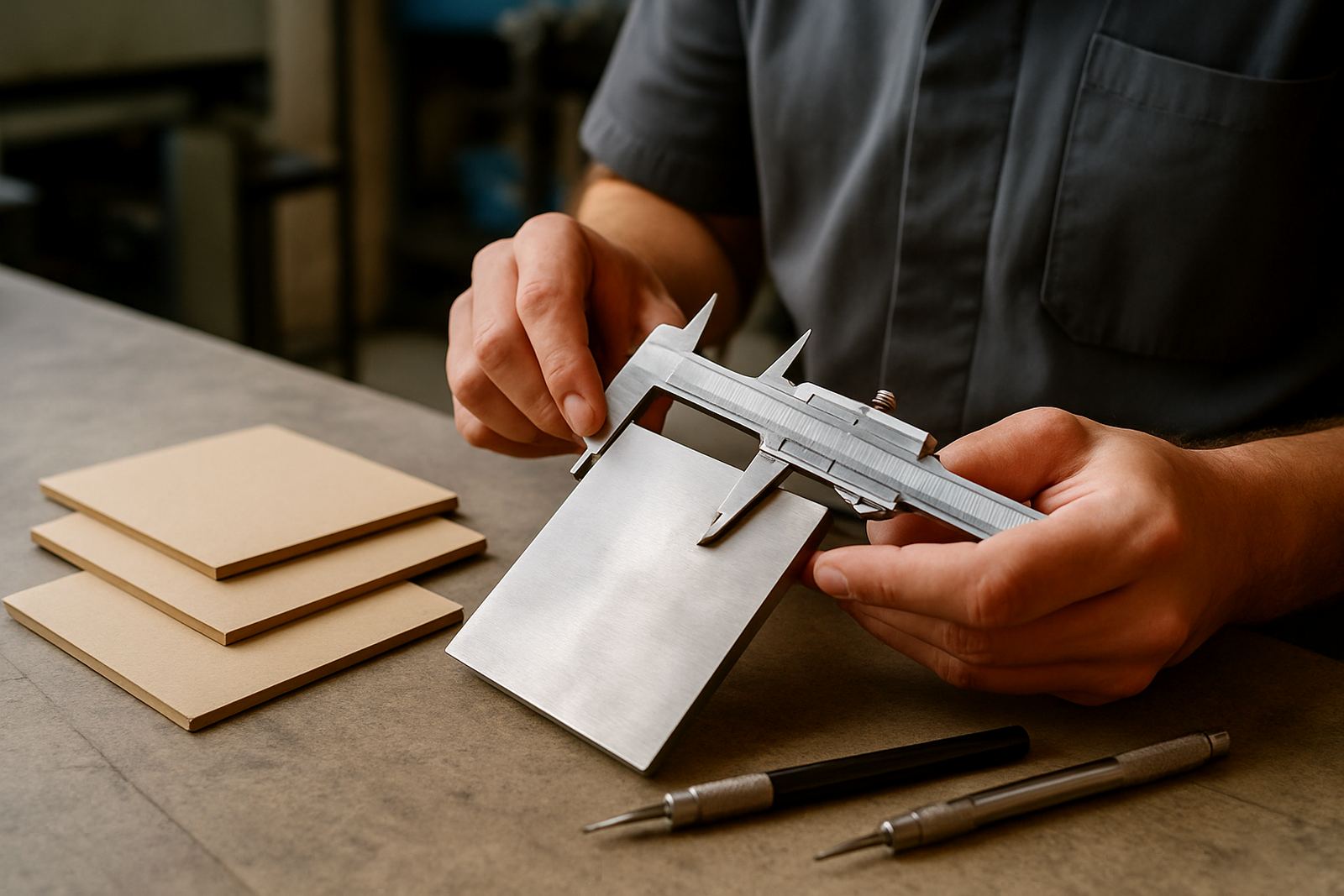
Die size is one of the clearest cost drivers. A larger die uses more material and takes longer to engrave, and the same applies when the design covers a wide area rather than a neat compact mark. A simple border around a carton panel is priced very differently from a large foiled panel with mixed text weights and multiple elements.
Shape matters too. Straightforward rectangular dies are easier to produce than oddly shaped pieces with cut-outs or stepped edges. If the job needs a matched counterforce or a set of related dies, the price must reflect that extra setup. In practical terms, a clean square logo plate is usually the cheapest kind of job, while a multi-element packaging design will sit higher.
Urgent Work and Repeat Orders
Turnaround time can change the estimate quite a bit. Standard lead times allow for proper scheduling, engraving, checking and packing. Urgent jobs often need the workshop to reshuffle work, which can add cost. That is especially true when a client needs same-day or next-day dispatch to keep a press booking on track.
Repeat ordering is where clients can save. If a die has been filed correctly and the artwork is unchanged, the process is usually faster on the second run. For packaging houses in Johannesburg, Pretoria or Durban, that can make a real difference when a repeat carton or label comes back into production with little notice.
- Standard jobs are usually more cost effective
- Rush work may need overtime handling
- Repeat orders can avoid full redesign time
- Good job filing helps future pricing stay accurate
A Johannesburg Example for Estimators
Take a packaging house in Industria quoting for a foiled carton lid for a cosmetic range going to Cape Town and Gqeberha. The artwork is neat, but the logo includes fine serif text, a border, and a small monogram. The buyer wants a brass die because the job will run again each quarter, and the first order needs dispatch to the finishing floor within two days.
In that case, the quote is shaped by the die size, the fine detail, the brass material, and the urgent turnaround. If the same client later reorders the identical die, the cost should be lower because the file, setup notes, and job history are already in place. That kind of repeatability is one reason estimators should keep records tidy, it saves time and money later.
How to Compare Quotes Properly
A low price is not always the best price if the die is not made for the right press conditions or if the detail is too weak for the final finish. When comparing quotes, buyers should ask what is included and whether the job covers artwork checks, engraving, counterforce matching, packing and dispatch. A quote that looks cheaper at first may leave out the parts that matter most.
It also helps to ask about cleaning, alterations and sample impression advice if the job is likely to change. For plants dealing with load-shedding, humidity on the coast, or tight municipal delivery windows, a well-prepared die and clear job file can prevent delays. A good supplier should be able to explain the cost drivers clearly, without jargon.
- Check whether artwork support is included
- Confirm the die material and size
- Ask about dispatch to your area
- Keep a record of approved artwork and prior job notes