Start With a Clean Die Before It Goes Back on the Shelf
Before a die is filed away, make sure it is fully cleaned and dry. Any residue from foil, adhesive, ink, polish or packaging dust can harden in the fine lines and make the next impression uneven. A quick wipe is not always enough, especially on jobs that have been run in warm finishing rooms or near humid loading bays.
For brass dies, inspect the face under good light and remove any fibres caught around fine detail. Magnesium needs the same care, but with a lighter touch so the surface is not marked. If a die has been used on a long run, give it a proper check for lifted edges, bruised corners or heat marks before it is packed away.
- Remove foil flakes, glue and paper dust from all engraving details.
- Let the die cool fully before wrapping or sealing it.
- Do not store a die while it is still damp from cleaning fluid.
- Mark any damage now so the next job does not start with a surprise.
Choose Storage That Prevents Scuffs, Warping and Mix-Ups
The best storage is simple: keep each die in a dedicated place where it cannot rub against another tool. Loose stacking is one of the quickest ways to damage an engraving edge. Even a small scuff can show up on a packaging run, and that means time lost on the press side.
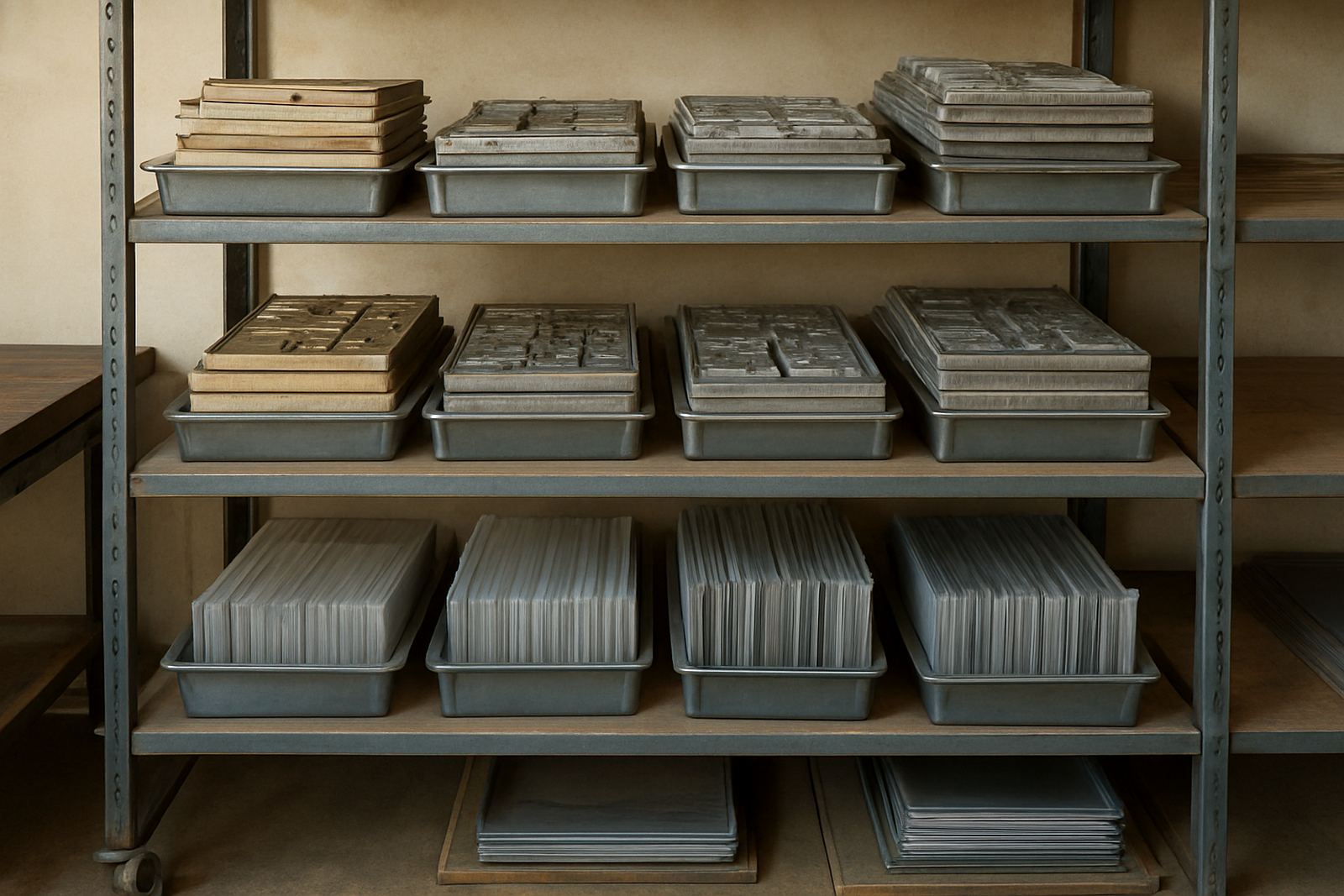
Use rigid trays, shelves or labelled boxes that keep dies flat and separated. If you store dies in cartons, pack them so they do not move during transport between Johannesburg, Pretoria or further afield. A thin separator between pieces can help, but it must be clean and dry. In hot months, avoid leaving storage boxes in direct sun or against tin walls that heat up during the day.
- Keep each job in a clearly labelled slot or box.
- Separate brass dies from magnesium dies if they are stored together.
- Use protective wrap that will not shed lint into the engraving.
- Avoid heavy items sitting on top of stored dies.
Control Humidity, Dust and Heat in South African Workrooms
South African storage areas are not all the same. A print finisher in Durban may battle coastal humidity, while a facility in Industria may deal with dust, temperature swings and load-shedding interruptions. Both conditions can shorten tooling life if storage is careless. Moisture can mark surfaces and encourage corrosion, while dust settles into grooves and affects detail on the next run.
If your store room is near a roller door, a dispatch bay or a washing area, pay extra attention to sealing and airflow. Keep dies off the floor and away from chemical cupboards. When load-shedding cuts lighting, make sure the storage area is still easy to identify so dies are not shoved into the wrong tray in a rush.
- Store dies in a dry room with steady airflow, not next to wet mops or wash bays.
- Use covered shelving where dust is a regular issue.
- Keep tooling away from direct sunlight and hot metal roofs.
- Check storage more often in coastal towns like Durban and Gqeberha.
Keep Repeat Orders Fast by Labelling and Filing Properly
Repeat orders are much faster when the original die can be found without a long search. Clear job filing saves time, reduces mistakes and helps the production team match the right tooling to the right artwork. A neat label should tell you what the die is for, the client name, size, date and any special notes such as counterforce requirements or a revised proof.
We often see delays caused by files being separated from the die itself. If a die goes into storage without its job note, it may come back for a repeat with missing context. That is when press time gets wasted on checking the wrong version. A good filing system keeps the history together so the next run starts cleanly.
- Use one reference number for the die, artwork and job file.
- Record any alterations made after the first run.
- Note if the die needs a specific counterforce match.
- Keep packing details with the stored tooling for easier dispatch later on.
When to Inspect a Stored Die Before It Goes Back Into Use
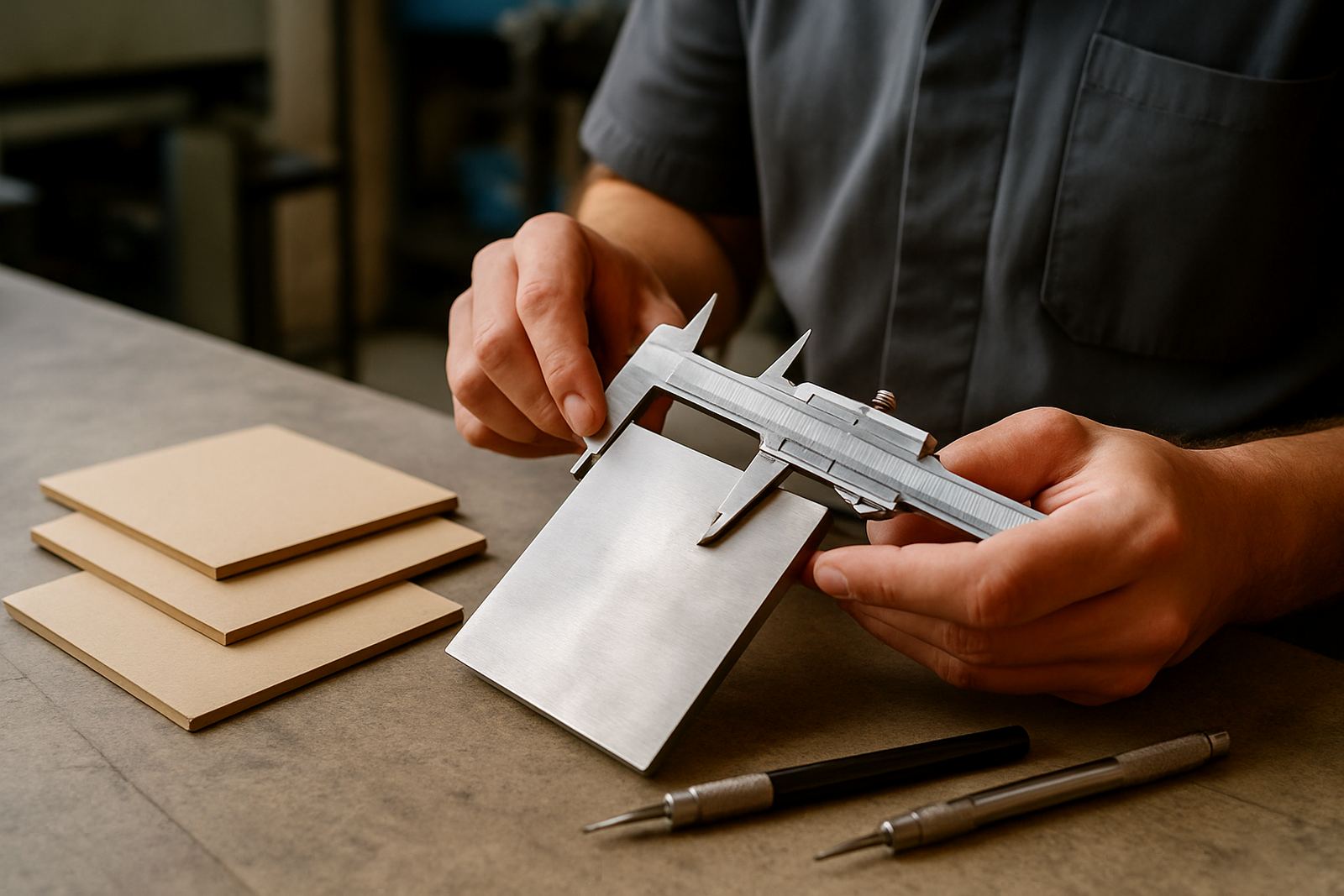
Even well-stored dies should be checked before the next job starts. A quick inspection can catch small changes before they become press problems. Look for dents, worn edges, residue buildup and any change in alignment. If a die has been moved around during handling, verify that it still sits flat and true.
For customers sending dies back into use after a gap, sample impression advice can help confirm whether the tooling still gives the right finish. That is especially useful on packaging work where fine detail and clear edges matter. If the die shows wear, damage assessment can confirm whether a simple clean is enough or whether a repair is needed. Better to check it now than lose a shift later.
- Check the face for scratches, corrosion or rounded detail.
- Confirm the die still matches the current artwork version.
- Test the fit with the related counterforce or mounting setup.
- Inspect after any courier trip, especially if the box has been handled roughly.
A Practical Example from a Johannesburg Repeat Job
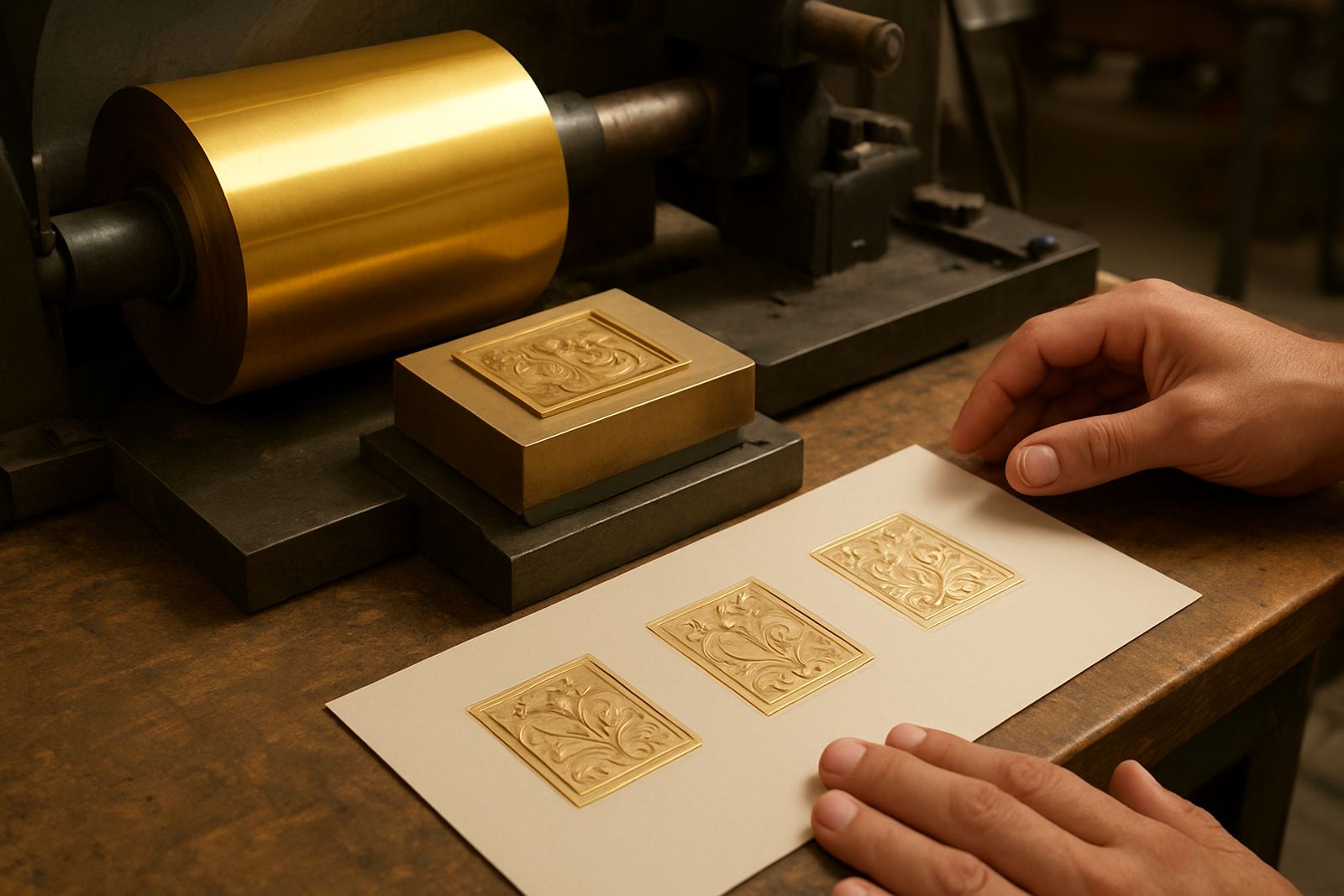
Imagine a packaging house in Johannesburg keeping brass dies for seasonal foil work. The first run went well, but the next order comes six months later after a busy period and some warehouse changes. If those dies were left loose in a drawer, one edge may be chipped, labels may be missing and the team now has to waste time matching the wrong part. If they were cleaned, wrapped, labelled and filed properly, the repeat can move straight into production.
That is the difference storage makes. It does not need to be fancy, but it must be consistent. Good storage protects the tooling, supports urgent turnaround when the order lands unexpectedly and helps businesses across Pretoria, Durban, Cape Town and other centres keep repeat work moving. A small bit of order at the end of a job saves a lot of time at the start of the next one, and that is worth it every time.