What Foil Blocking Actually Does on Press
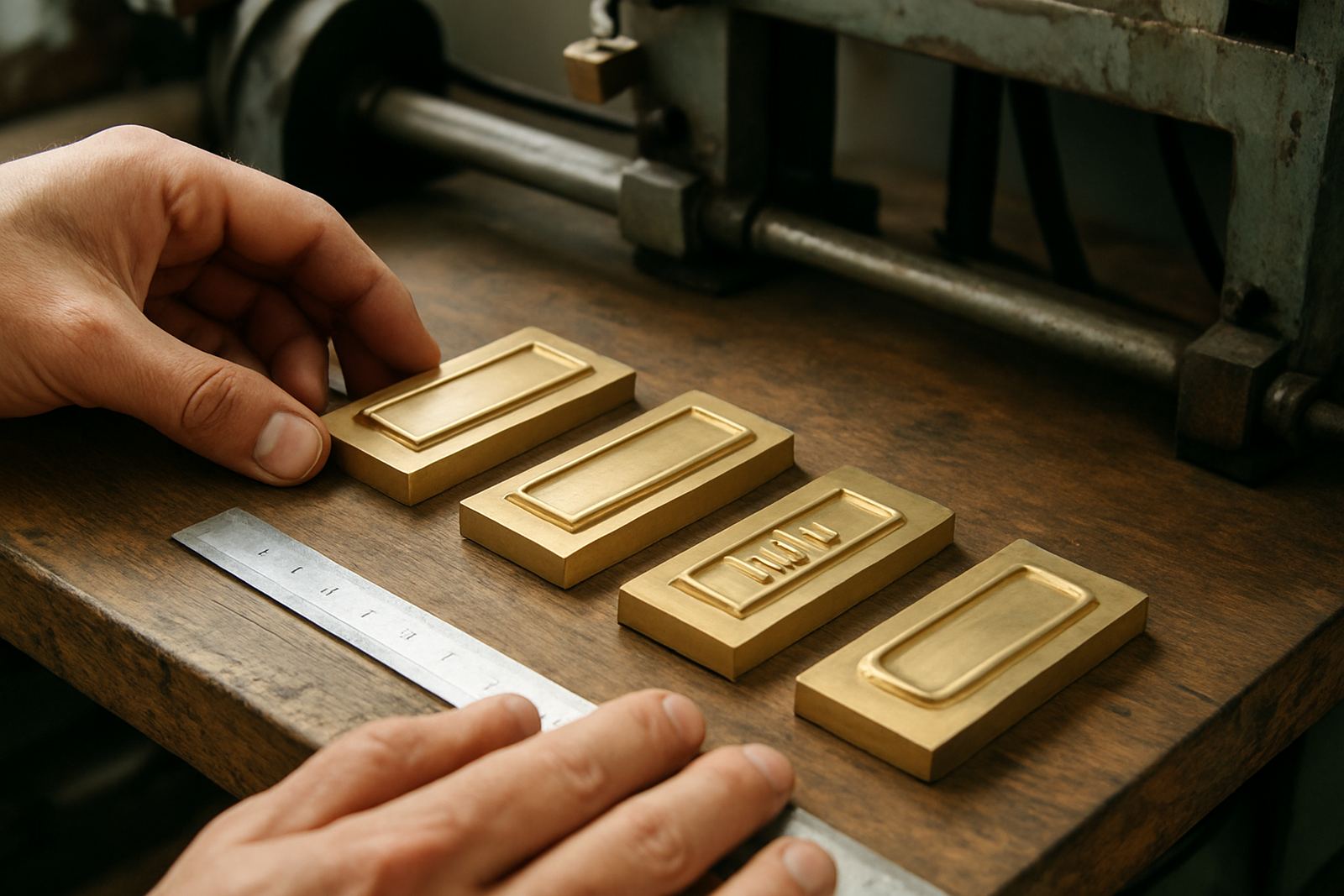
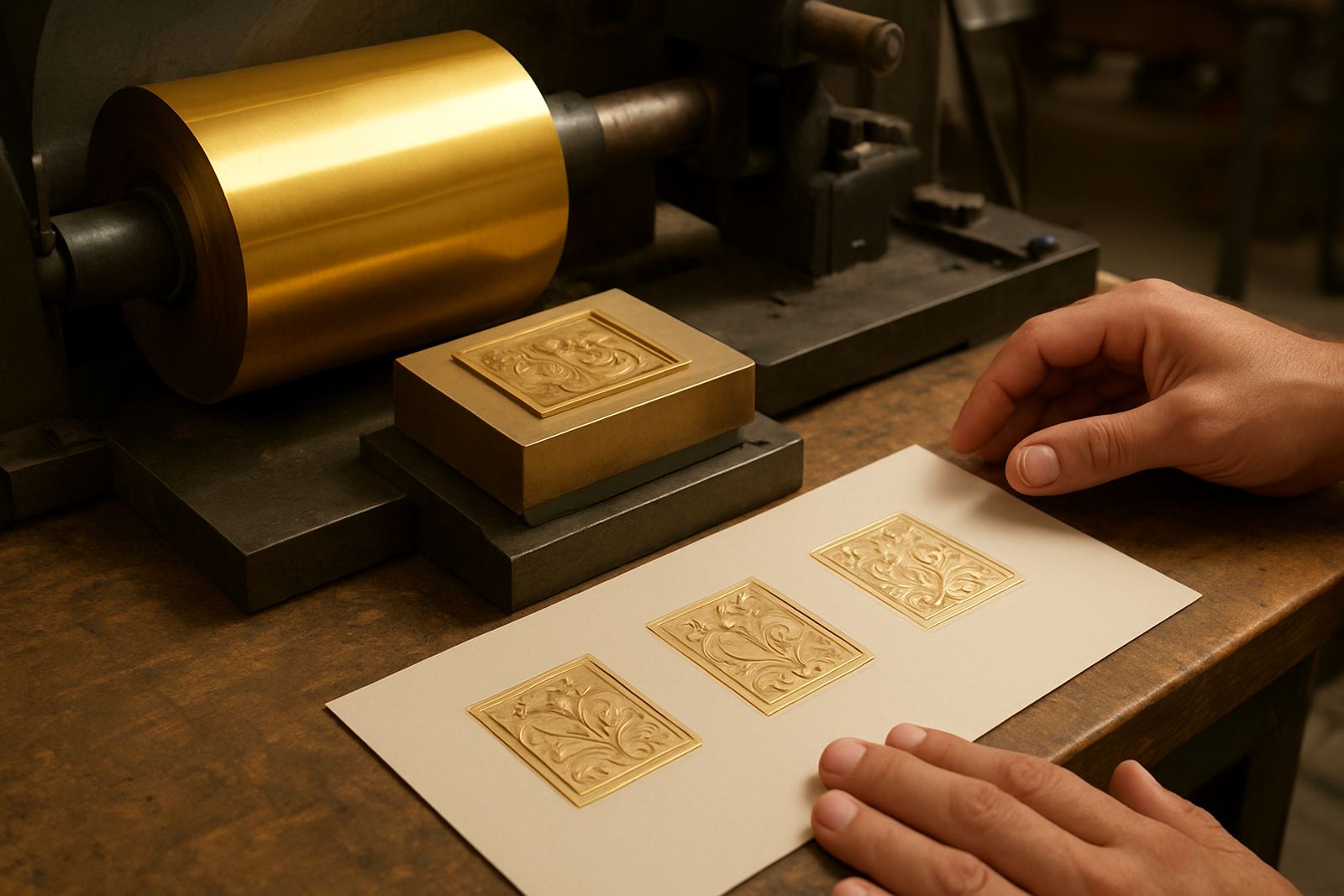
Foil blocking uses a heated die to press a thin foil layer onto paper, board, film or other coated materials. The die transfers heat and pressure to bond the foil only where the image or text sits, which is why the finish looks crisp when the setup is correct.
In practice, foil blocking is used for carton work, labels, presentation folders, luxury sleeves and branded pieces where a sharper finish is needed than ink alone can give. The process can be run as a single flat image or combined with embossing for a raised effect, depending on the artwork and the die construction.
For finishers in Johannesburg, Pretoria and the coastal cities, the main point is that foil blocking is not just about shine. It is about control. If the heat, dwell time and pressure are not matched to the stock, you can get patching, dull edges or a blocked image that does not hold fine detail.
How the Die Choice Changes the Result
Most foil blocking problems come from the setup, not the idea itself. Pressure, heat and dwell time must be balanced. Too much heat can make the foil spread or sharpen imperfections in the stock. Too little heat can leave a weak transfer or a patchy finish, especially on textured paper or coated board.
Substrate choice also changes the outcome. Smooth coated board usually gives a cleaner result than absorbent uncoated paper. However, some coated surfaces can resist the foil if the coating is too slick or if there is an anti set treatment on the sheet. On recycled board, you may need more testing because the surface can be uneven and the fibres can show through.
Humidity plays a part too. In Durban or Gqeberha, stock stored in a damp area can react differently to heat than material kept in a dry room. That is why a sample impression is worth doing before a full run, even when the same job has been printed before.
Artwork Checks Before the Die Is Cut
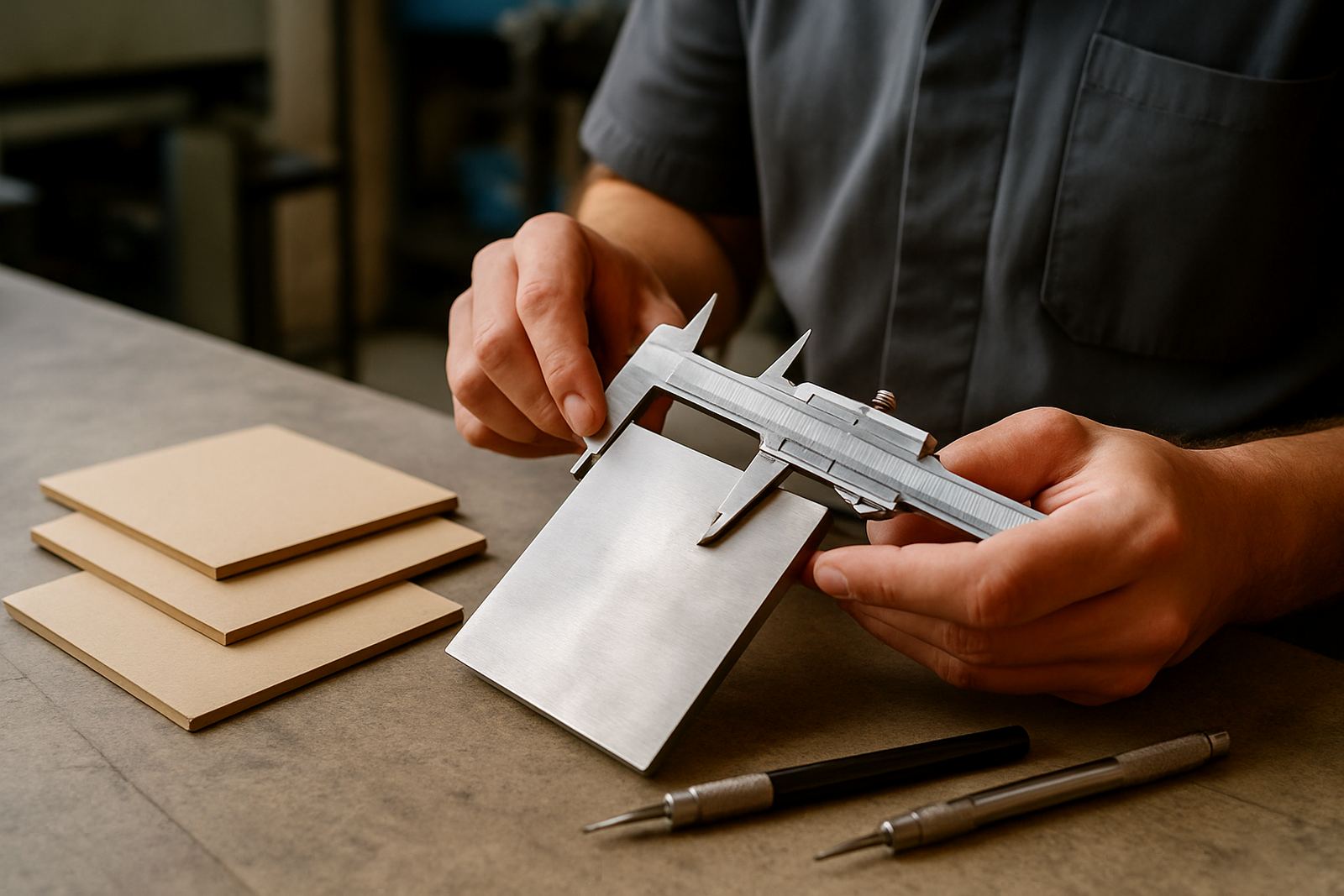
A lot of time is lost when artwork arrives with issues that could have been spotted earlier. Before the die is made, the layout should be checked for image size, line thickness, knockouts and any elements that sit too close together. If the foil image is too detailed for the space available, the finish will suffer no matter how good the press work is.
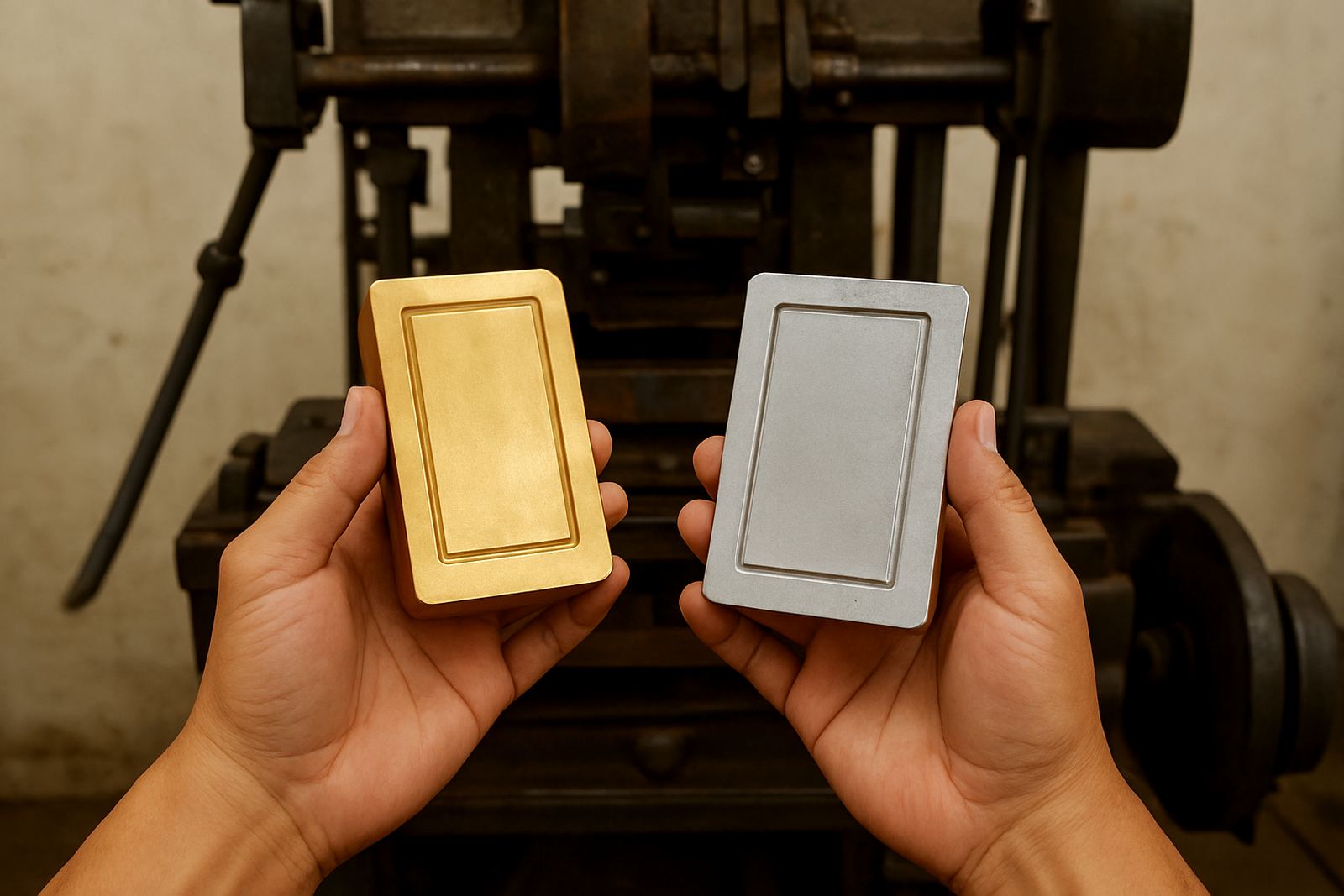
Production teams should also confirm whether the job needs flat foil only or foil plus embossing. If counterforce is needed, that must be matched properly so the impression lands cleanly without crushing the board. Good prepress checking prevents avoidable rework and helps keep repeat orders consistent.
- Confirm the final artwork size against the finished pack or label size.
- Check whether tiny text, rules or logos need simplification.
- Allow for trim, fold lines and registration marks where relevant.
- Decide early if the job needs embossing plates or just a foil die.
Common Job Types in South African Finishing Rooms
Foil blocking is used across many local sectors, from wine and spirits packaging to retail cartons, corporate folders and promotional items. In Johannesburg, it is common to see quick-turn packaging jobs where the foil must align with die-cutting, folding and gluing, all within a tight production window. In Cape Town and Durban, finishers often deal with premium labels or presentation packaging where the visual standard is high and the stock can vary from job to job.
At a practical level, the best results often come when the finisher and die maker talk through the job before production starts. This allows for sensible decisions on line depth, image size, repeat use and any special handling. If the same die will be reused later, proper job filing and repeat ordering records save time and reduce the chance of mismatched artwork.
A common local example is a small product launch pack ordered for a Gauteng client with delivery to a finisher in Industria. The artwork looks simple enough, but once it is scaled down the logo needs careful spacing, and the board has a slight texture. A quick sample impression can show whether the first pass needs more heat or whether the image should be opened up slightly before full production.
Keeping Dies Clean and Ready for Repeat Work
Foil dies and embossing plates last longer when they are stored and handled properly. Cleaning off residue after use helps stop build-up from affecting the next job. Dents, wear marks and warped plates should be assessed before the job is booked back onto the press, otherwise the repeat may not match the original impression.
For busy finishing rooms, this is where planning pays off. If a customer orders the same carton line every quarter, having the die filed correctly and the condition noted makes repeat ordering much easier. It also helps with urgent turnaround work, because the team can see whether the existing tool is ready or if an alteration is needed first.
Load-shedding also matters in real production conditions. When power interruptions affect pre-heating or machine setup, timing can shift and the first sheet after restart may need extra checking. A well-kept die gives you one less variable to worry about when the schedule is already tight.