
What changes between metallic and pigment foil on press
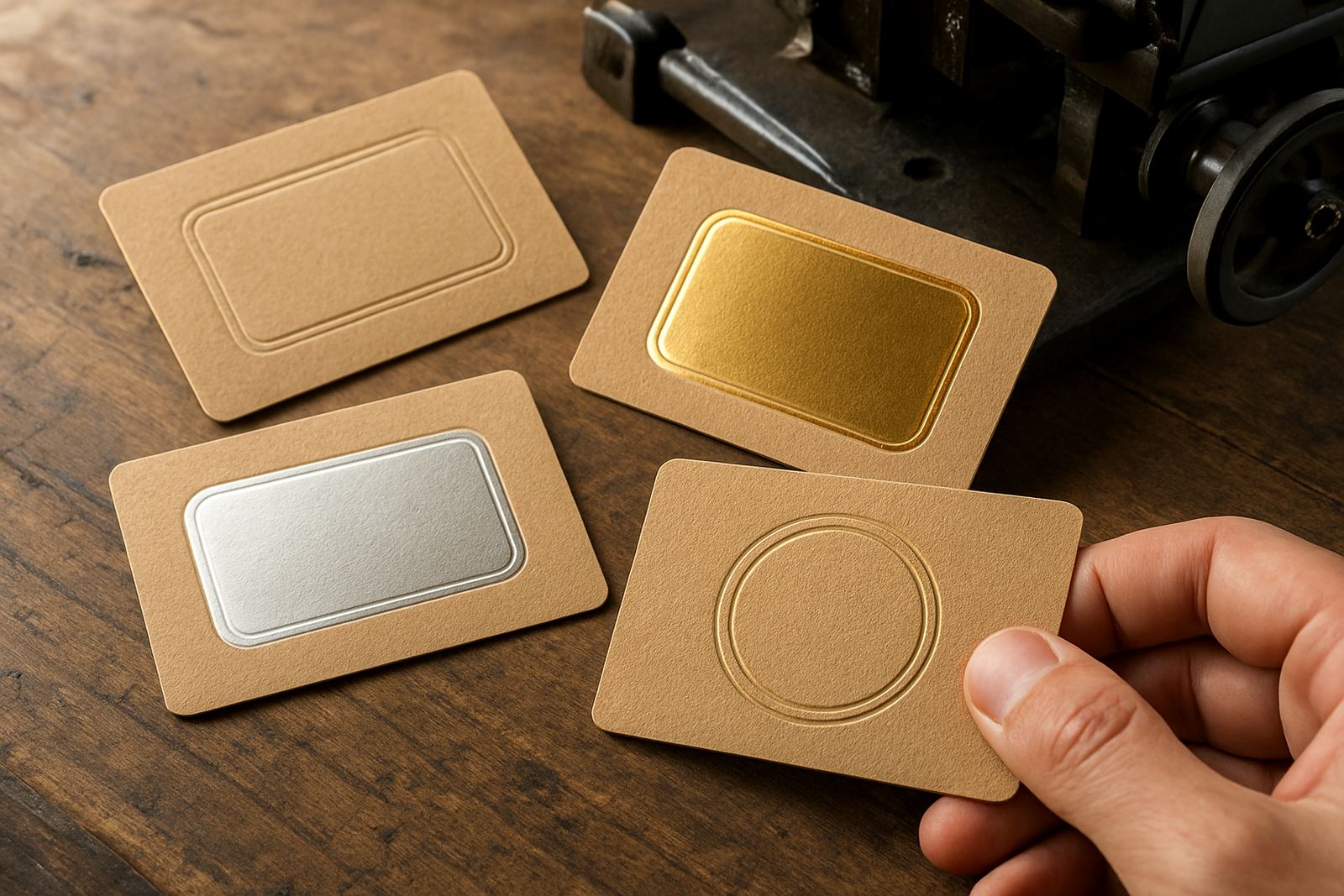
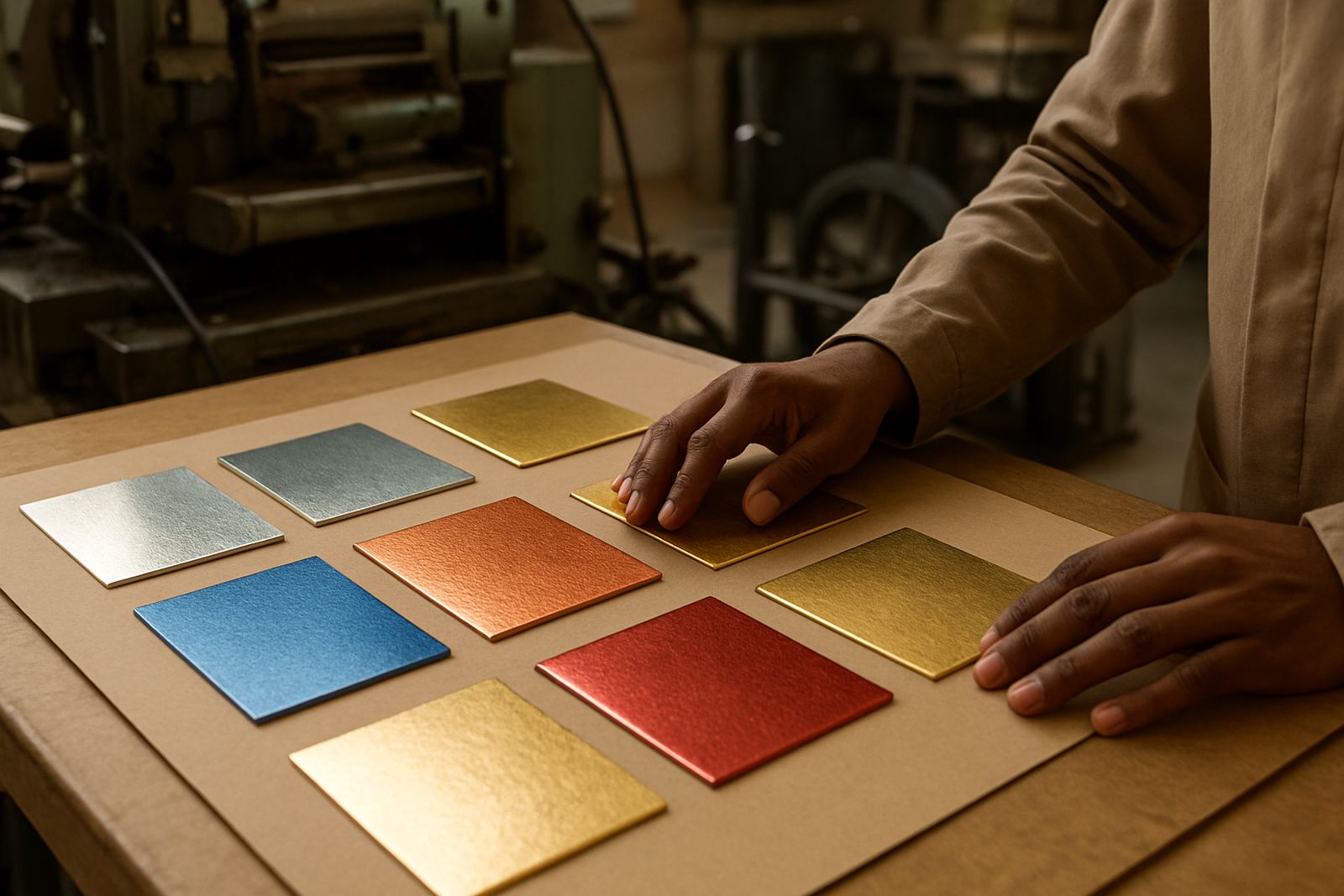
Metallic foil gives a reflective finish. It catches the light and can look silver, gold, copper or other metallic shades depending on the foil used and the stock beneath it. Pigment foil is matte or satin and gives a solid colour effect without the shine. On shelf, the difference is immediate: metallic reads as bright and active, while pigment feels flatter, cleaner, and often more restrained.
In practical terms, metallic foil is often chosen when the brand wants visual movement and a premium touch. Pigment foil is picked when colour control matters more than reflection. On a carton, label or sleeve, metallic can help a logo stand out from a distance, while pigment can make text or blocks of colour easier to read. The key is to match the effect to the message rather than choosing by habit.
At our Industria base in Johannesburg, we see both types go out to finishers in Durban, Cape Town, Gqeberha, Bloemfontein and smaller towns where the final pack still needs to hold up after courier handling. A good die starts with knowing how that foil will behave once it meets the press and the board. It is not only about shine, it is about transfer, pressure and detail.
When metallic foil earns its place
Metallic foil works well when the design needs sparkle, reflection or a high contrast signal against dark stock. It is common on luxury cartons, presentation sleeves, premium labels and special event packaging. Thin lines and small type can look sharp if the die is clean and the artwork has enough space, but the finish does demand careful setup. Too much detail in one tiny area and the impression can fill in or lose definition.
Use metallic when you want:
- Strong shelf appeal from several metres away
- A brighter finish on deep coloured board
- Logo marks that need to catch light in retail lighting
- Packaging that feels more decorative or gift-ready
Humidity and heat can also affect stock behaviour, especially in coastal areas like Durban and Gqeberha. If the board is not conditioned properly, metallic foil can show inconsistency on large solids or fine lettering. That is why artwork checks and sample impression advice matter before the main run starts. A small adjustment in pressure or counterforce can save a lot of wasted stock.
When pigment foil gives the better result
Pigment foil is the better choice when the job needs a colour block rather than a reflective effect. It suits packaging that wants a cleaner, flatter brand mark, especially where readability and consistency come first. It can be a smart option for corporate folders, technical packs, labels with small copy and designs that already use strong colour relationships in print.
Many finishers like pigment foil because it can feel controlled and direct. It does not compete with other printed elements, and on some stocks it behaves more predictably than metallic. That said, it still needs a properly made die and a press operator who understands heat, dwell time and pressure. If the run is too hot, the edges can blur. If it is too cool, coverage may look patchy.
Consider pigment foil when:
- The brand already has a bold colour system
- Gloss reflection would interfere with legibility
- You need a more subtle finish for business stationery or industrial packs
- The job has to be repeated often with consistent colour placement
For many packaging houses, pigment foil is the safer answer on jobs where the finish must sit quietly in the overall design. It is practical, dependable and often less temperamental on short or repeat production runs.
Press setup, stock and die detail make the real difference
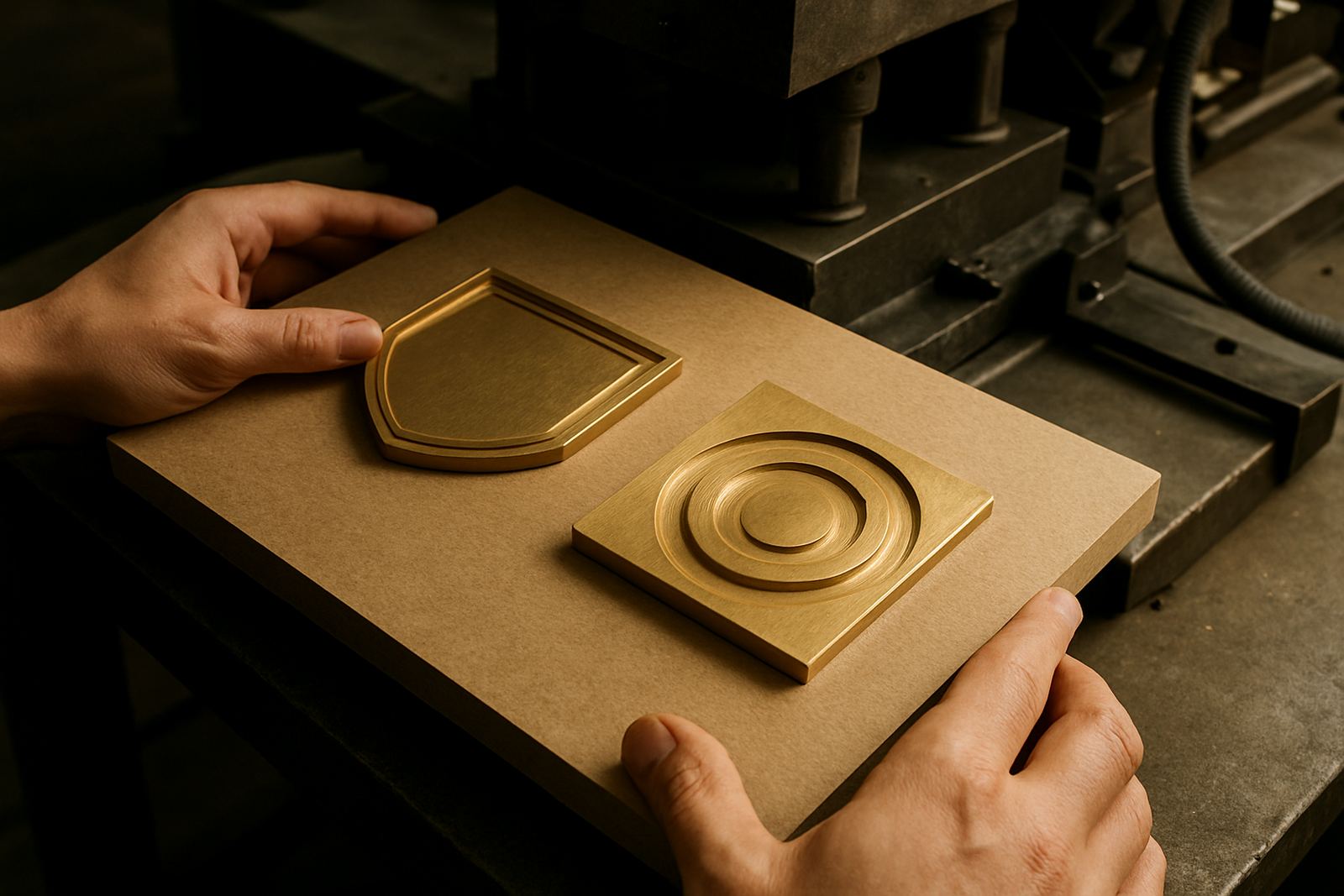
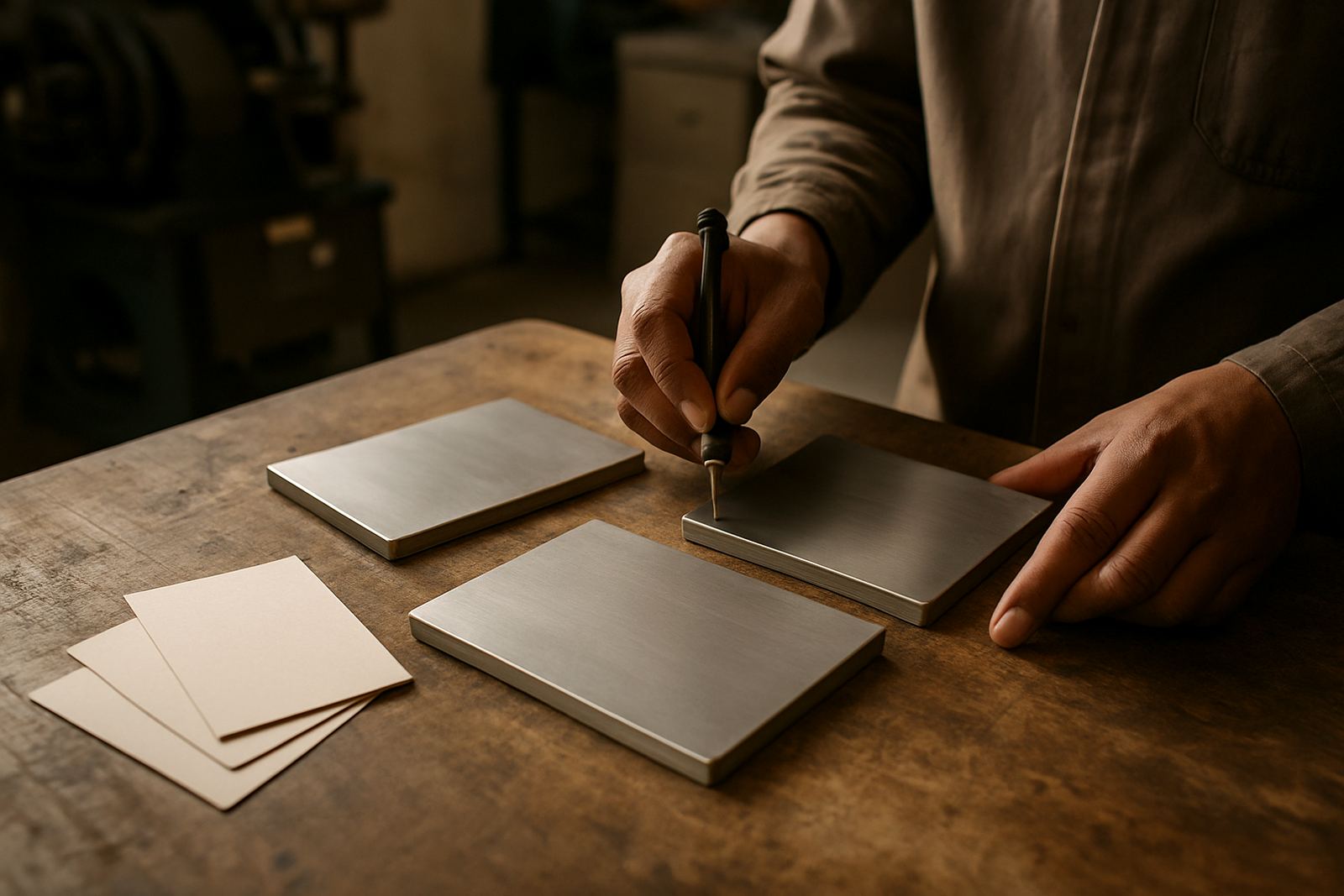
The foil itself is only part of the story. The stock, the depth of impression, the engraved detail and the press conditions all affect the result. A brass die can hold finer detail and last longer on heavier or repeated work. Magnesium can be a good option for lighter duty or where turnaround needs are tighter, depending on the job and the finishing method. For both, the die has to be matched to the actual substrate, not just the artwork PDF.
We often advise clients to think about three points before ordering:
- What stock are you stamping onto, coated board, uncoated board or laminated material
- How much detail is in the design, especially small text and fine borders
- Whether the job is a once-off, a repeat order, or part of a rolling campaign
Counterforce matching is important on thicker board and heavier packs. Without it, the impression can be uneven across the sheet. That is where sample impression advice helps. A clean test can show whether the die is pressing too deep, too light, or leaving the foil edge ragged. With load-shedding still affecting production schedules in many plants, getting the first setup right can save a whole shift.
How to choose between metallic and pigment for a South African job
If you are working on packaging for Gauteng retail, a printed carton for a Cape Town distributor or a promotional item heading to Durban, start with the end use. Will the pack sit on a shelf under harsh light? Will it travel through courier networks? Does the customer want shine or a flatter colour statement? These questions are more useful than asking which option is better in general, because there is no single answer.
Choose metallic if the goal is impact, light play and a more premium signal. Choose pigment if the goal is clarity, tone control and a more understated finish. If you are unsure, ask for artwork checks before die production. That can flag line weights, font size and spacing issues early, and it can stop a small detail from turning into a costly remake. One slightly off line can change the whole read of a logo.
For repeat work, keep proper job filing. A well filed die reference, counterforce note and impression record make repeat ordering quicker and more consistent. It also helps when a client needs the same result six months later for a new batch or a regional roll-out across Johannesburg, Pretoria, Polokwane and Mbombela.
Local example: a carton run for a Johannesburg brand
A Johannesburg packaging house recently needed a short run of presentation cartons for a product launch. The brief was simple enough on paper, but the finish had to work in store under bright lights and still look clean after packing and transport. We looked at two routes: metallic foil for a brighter logo mark, or pigment foil for a calmer colour block. The final choice depended on how the artwork would sit against the printed panels and where the cartons would be displayed.
The important point was not picking the flashiest option. It was getting the right die, the right depth and the right finish for the board. Once the artwork was checked and the impression advice confirmed, the job moved through production, cleaning and dispatch without delay. The cartons were couriered out to the finisher, and the client kept the same look across the full batch. That kind of result comes from clear setup, not luck.
When clients ask for urgent turnaround, the fastest route is still a clean brief. Include the stock details, the foil effect you want and whether the job is for one run or repeat use. That gives the team enough information to design, engrave and dispatch with fewer surprises.