
Why brass earns its keep on repeat production
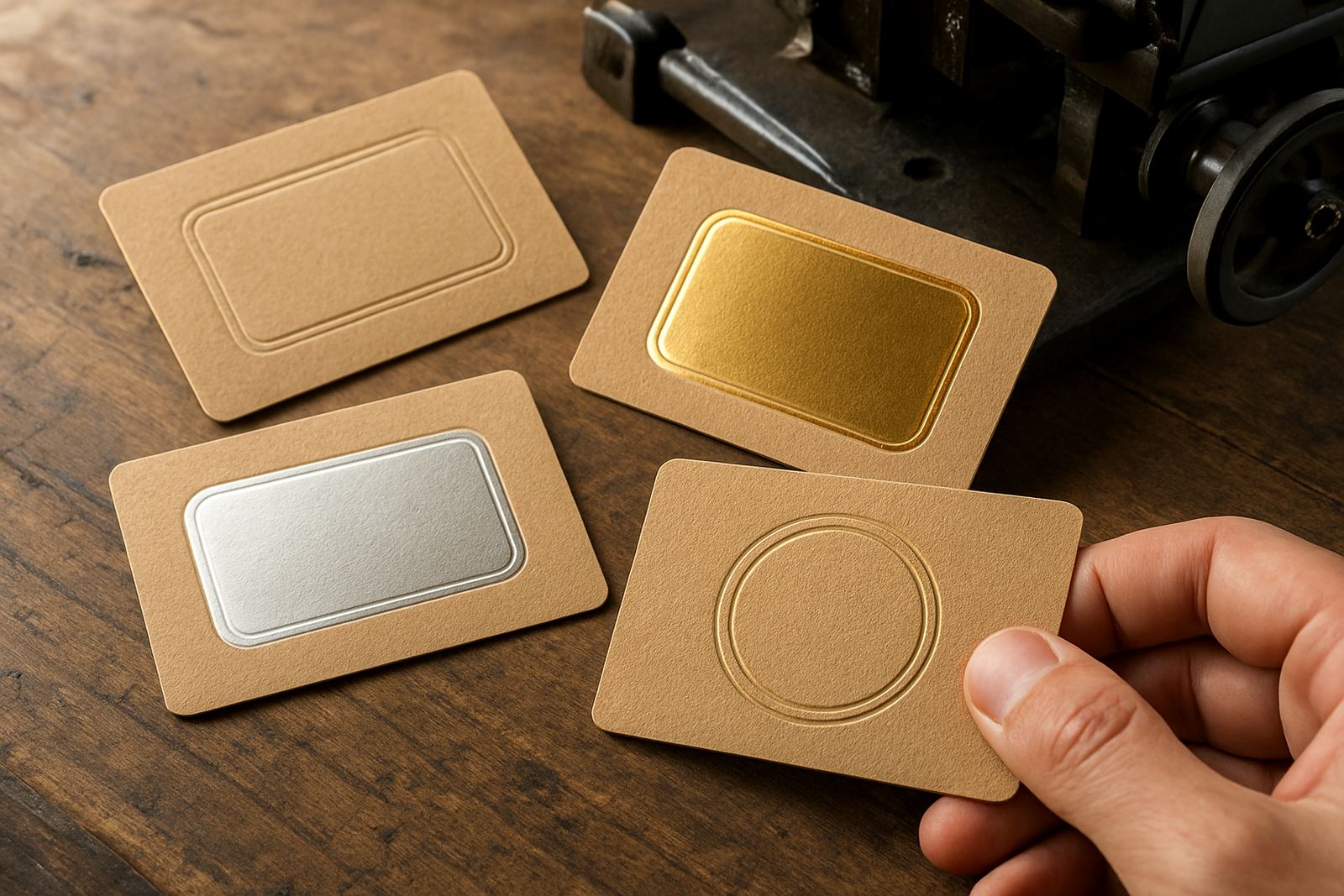
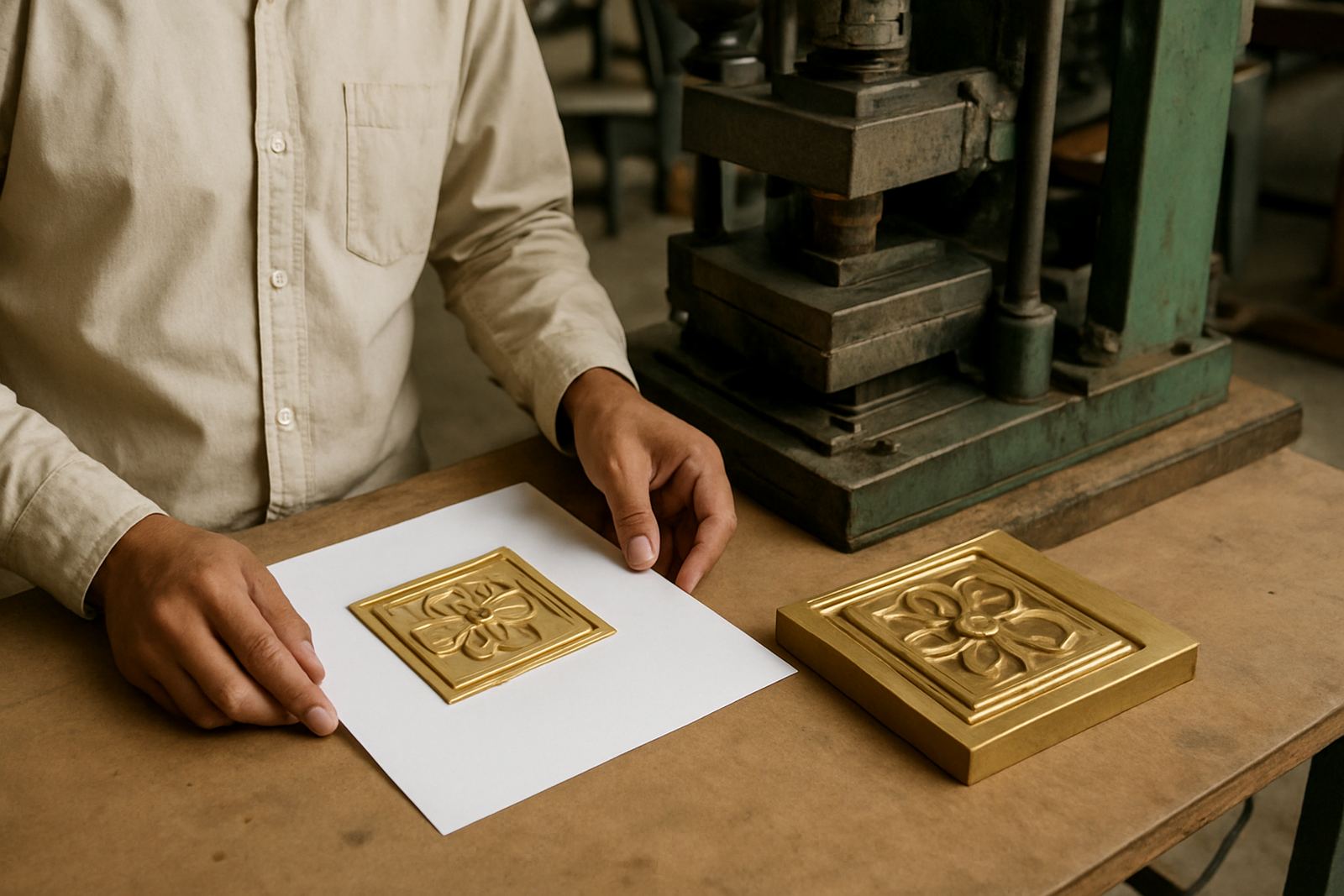
Brass dies are usually the first choice when a job will run again and again, or when the image has fine lines that must stay sharp from the first impression to the last. Brass holds detail well, carries heat evenly and keeps a stable face under production pressure, which matters on foil stamping and embossing work where small shifts show up fast.
For printers and finishers in Johannesburg, Pretoria and Durban, that consistency can save time on press and reduce waste. If you are handling a packaging line that comes back every few weeks, brass often outlasts softer options and gives a better return over the full life of the job.
- Best for repeat orders with the same artwork
- Useful where line work, small type or fine borders matter
- Good for longer production runs where the die must stay true
- Suitable for jobs that need strong pressure and neat relief
When fine detail makes brass the safer call
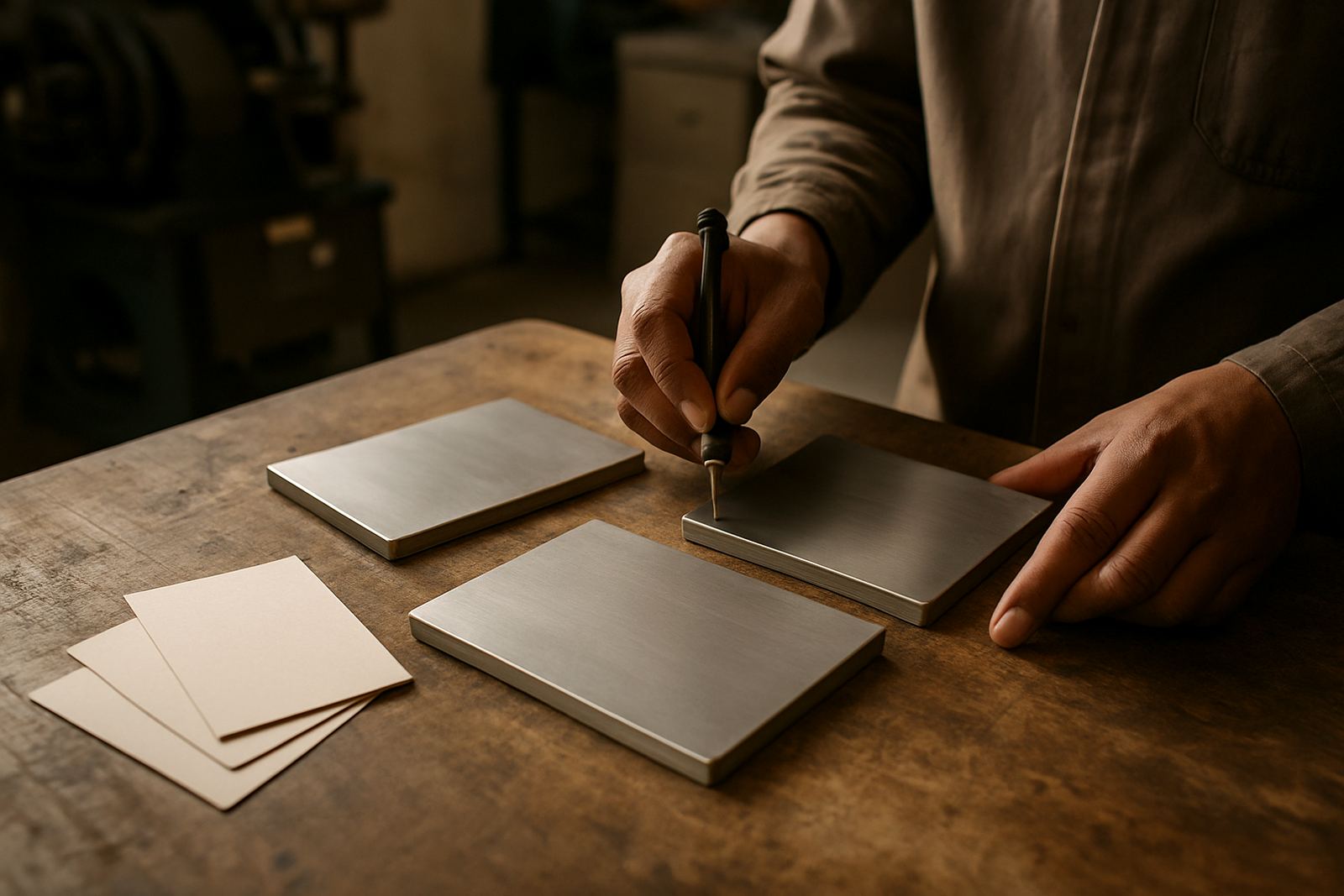
Some designs simply ask for more control. Small serif type, hairline rules, logos with tight spacing and detailed crests can break down if the die face is not holding its shape properly. Brass gives more confidence on these jobs because it machines cleanly and can carry a high level of precision.
This is especially useful on premium packaging, certificate work, invitation sets and brand marks that need a clean impression on coated board or textured stock. If the artwork has plenty of open space and only basic shapes, brass may still be right, but the real advantage shows when the detail gets dense and the finish must look exact.
- Small text that must remain readable after stamping
- Intricate logos with thin strokes or tight corners
- Border work that must line up neatly across a panel
- Embossing where edges need to stay crisp, not soft
Where brass outperforms on heat and longevity
Hot-stamping is hard on tooling. Heat cycles, pressure, cleaning and handling all add wear. Brass handles this better than many lighter alternatives, which is why it is often used when the same die will be pulled from storage, mounted, used, cleaned and sent back into production many times. In a busy plant, that matters.
It also helps when the job needs a steady finish across large quantities. Brass spreads heat evenly, so the impression can stay more consistent across the face of the die. On wide logos, long panels or repeated patterns, that can reduce patchy foil transfer and help the operator keep the job moving. Load-shedding can interrupt schedules too, so a durable die that still performs after stoppages is practical on SA production floors.
Good brass work is often the better value when you want the die to last through storage, transport and repeated set-ups without losing edge quality.
Typical South African jobs that suit brass best
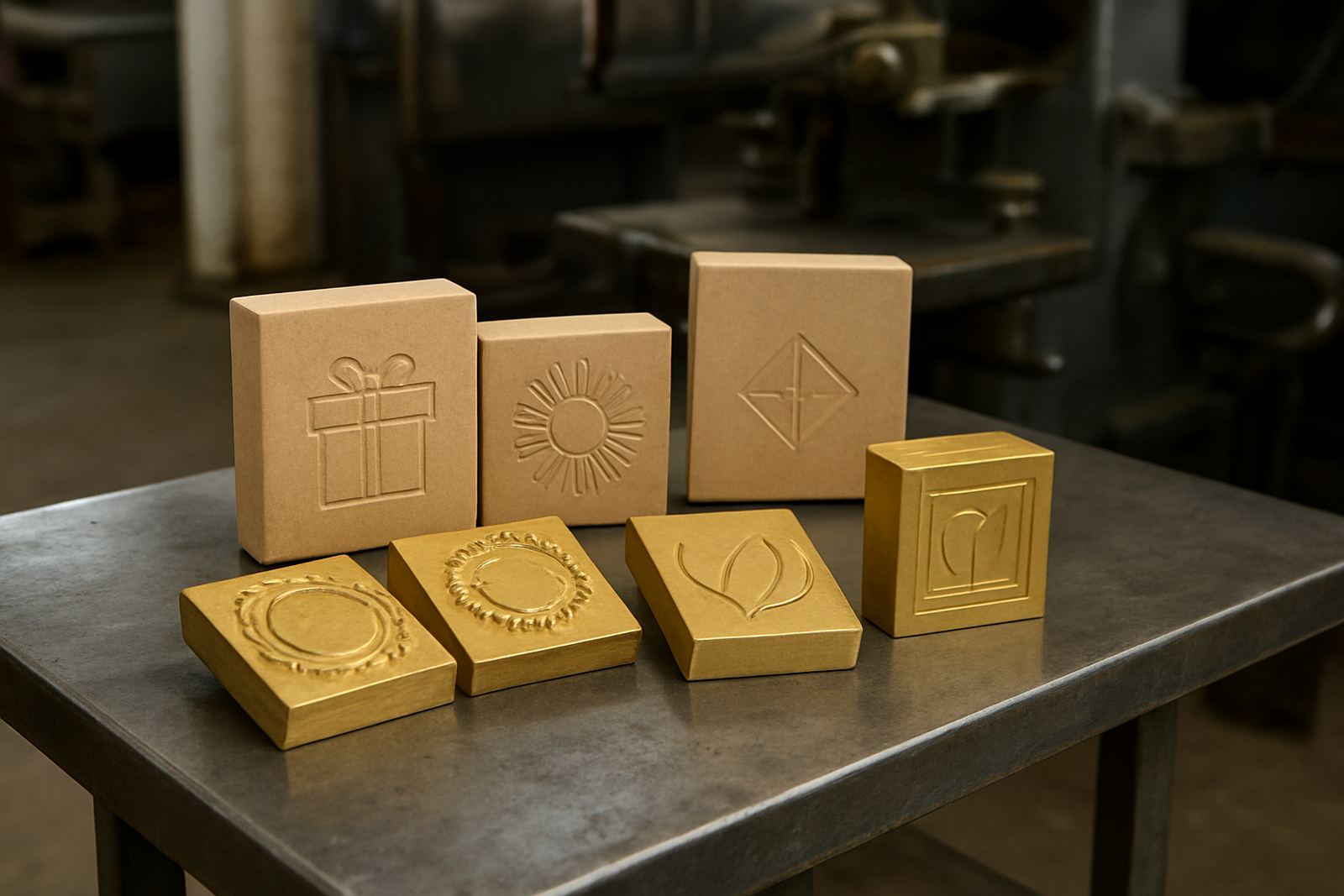
Brass is not only for luxury packaging. It is often the sensible choice for ordinary commercial work that needs to look clean and finish well. If you are supplying a wine label run from Cape Town, a cosmetics carton in Gqeberha, or a gift box programme in Johannesburg, brass may be the right material when the finish must stay consistent across reprints.
It is also a strong option for clients with national distribution. A die that can be couriered from Industria to Durban or Polokwane and still arrive ready for production helps keep turnaround predictable. That matters when a packaging house needs the same job run in more than one batch, or when a brand team changes only one line of copy and keeps the rest of the artwork intact.
- Cosmetics cartons and premium folding cartons
- Wine labels and short-run beverage packaging
- Invitation sets, certificates and commemorative pieces
- Retail cartons with repeated foil or emboss details
- Brand marks used across several print campaigns
When brass may be better than magnesium
Magnesium has its place, especially for lighter use and quicker turnarounds. But if the job is expected to come back, or if the die needs to survive more handling and more impressions, brass is usually the stronger option. It is also a better call when the design asks for extra durability, such as deeper relief or heavier pressure on thicker board.
That said, not every job needs brass. If the design is a once-off event piece or a short production run with a simple image, another material might make more commercial sense. The right choice depends on the run length, the substrate, the pressure needed and how often the die will be reused. A quick artwork check before cutting can save costly rework later.
If there is any doubt, it helps to look at the sample impression, the counterforce and the press setup before the job goes live. A small adjustment now is better than wasting board later.
How to get the best result from a brass die
Even a good brass die needs proper handling to perform well. The artwork should be clean, the line weights suitable for the material, and the counterforce matched to the press setup. If the job is being packed for courier, the die should be protected so the face is not damaged in transit.
At Hot Stamping Dies in Industria, Johannesburg, the process is practical: we check artwork, advise on the die design, cut and engrave the brass, then pack and dispatch to print finishers and packaging houses nationwide. For repeat ordering, keep the job file and any approved sample impression close at hand. That makes it easier to match the same look on the next run.
- Send clear artwork with the final size and position marked
- Confirm stock type and any coating or texture on the substrate
- Ask for sample impression advice if the finish is new to your team
- Keep records for repeat ordering and future alterations
- Request damage assessment if a returned die shows wear
The practical rule for choosing brass
If the job needs to look sharp, run more than once, and keep performing after storage and transport, brass is usually the smart choice. It gives strong value where quality and longevity matter more than the lowest first-cost option. That is why it shows up so often on packaging work, premium labels and detailed finishing jobs across South Africa.
For print shops and packaging houses, the simplest rule is this: choose brass when the finish must stay consistent and the die is expected to earn its keep over time. If you want a second opinion, send the job through the enquiry form and we can help you weigh the size, artwork and run length before production starts.