
Why soft-touch stock behaves differently under heat and pressure
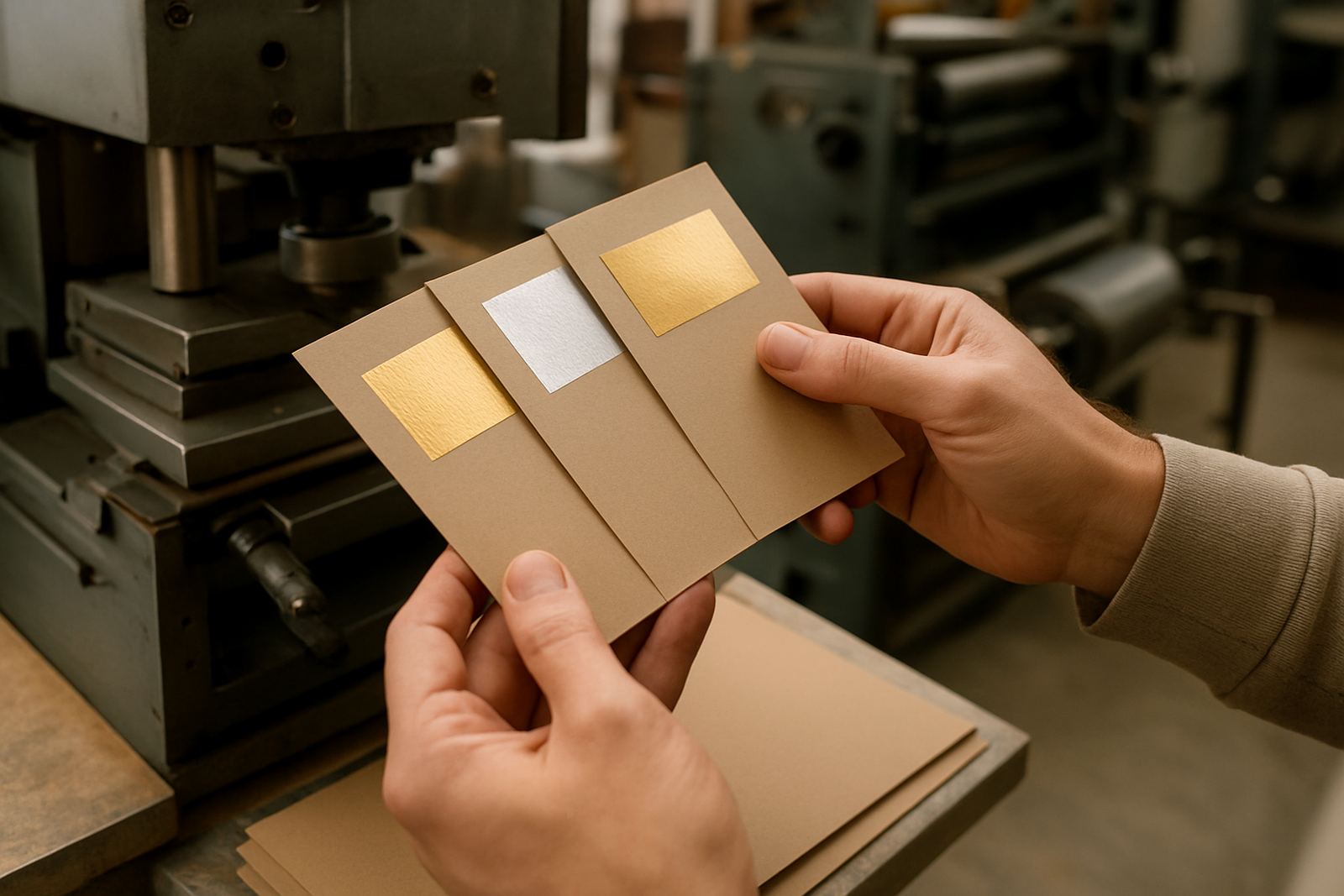
Soft-touch laminate is popular on premium cartons, presentation sleeves and short-run packaging because it gives a quiet, matte finish with a pleasant hand feel. The same surface that makes it attractive also makes it more sensitive to heat, pressure and dwell time, so a standard hot-stamp setup can give mixed results.
When you apply foil or embossing to this stock, the laminate layer can compress or mark before the image transfers cleanly. On some jobs the foil bonds well but the surface sheen changes around the impression. On others the die sinks in too far and the stock shows a halo, especially on heavier board or on artwork with fine lines.
- Short fine detail needs a clean, even face on the die
- Large solid areas may need pressure balancing to avoid over-compression
- Dark stock can show scuffing more quickly after finishing
- Humidity in Johannesburg or coastal areas can affect board behaviour too
Die choice for foil and embossing over laminated stock
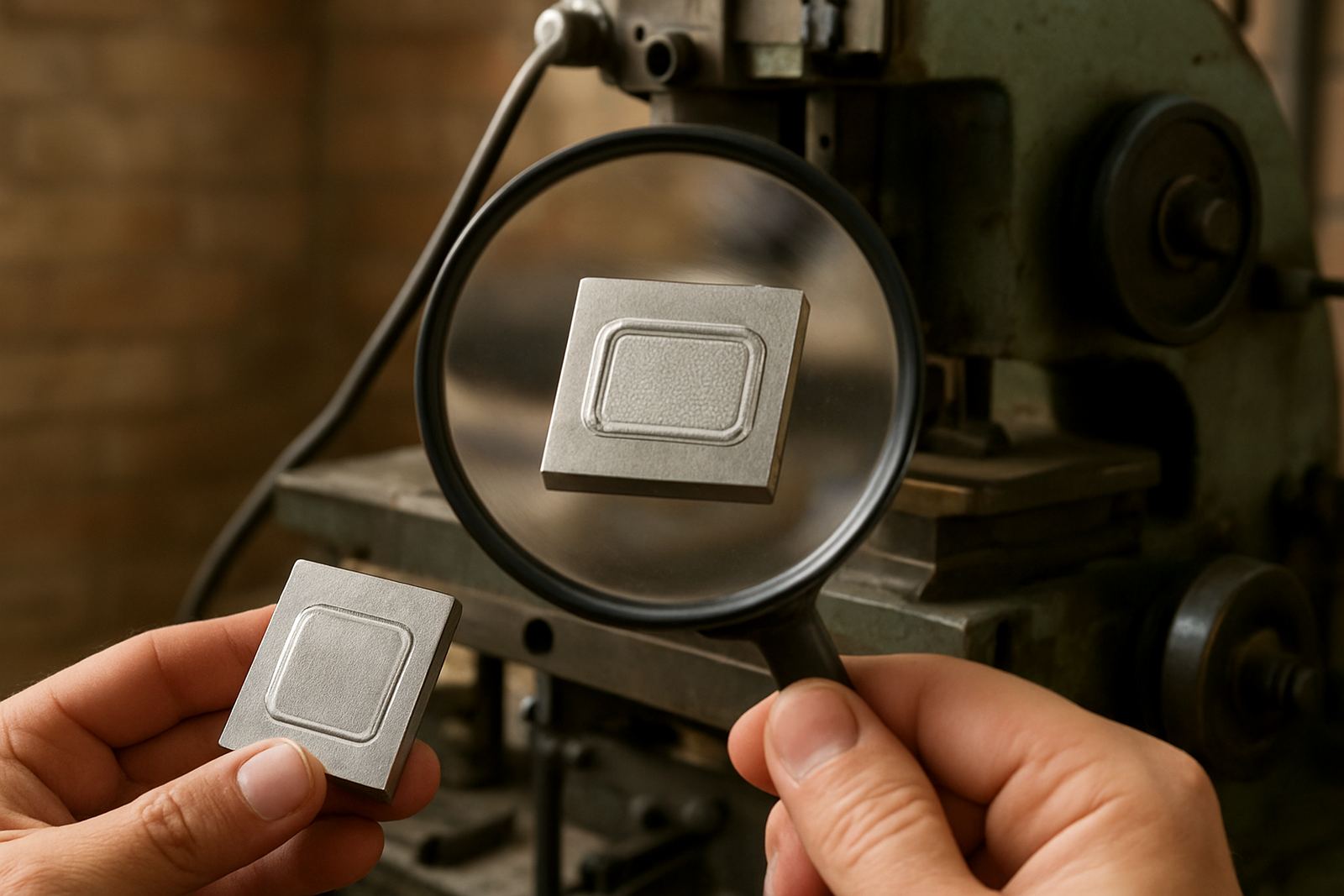
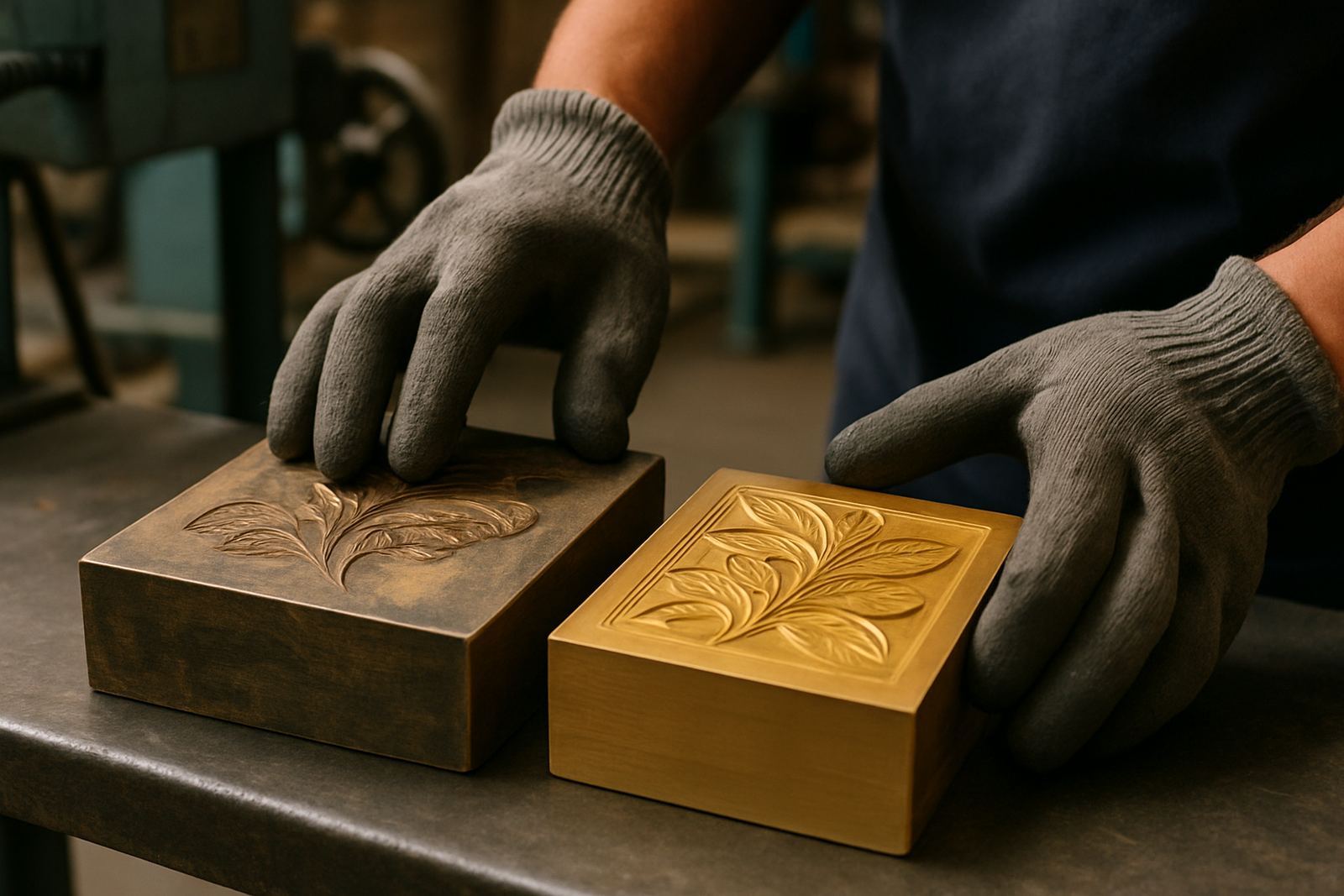
The best result starts with the right die material and a layout that suits the artwork. Brass is usually chosen when a job needs high detail, tighter relief and longer run stability. Magnesium can work well for lighter runs, simpler copy or when turnaround is tight, but the artwork still has to be prepared with the final finish in mind.
For soft-touch lamination, the engraving depth and counterforce need to be matched carefully. Too much depth can crush the coating, while too little can leave the impression looking flat. We often check whether the job is for foil only, emboss only, or a combined finish before we start production, because each one behaves differently on the press. A good prepress check saves rework later on.
- Use artwork with clean vector edges where possible
- Allow for slightly broader strokes on very small text
- Keep fine reversed lines to a sensible minimum
- Confirm whether the foil area sits on a flat panel or a raised shape
How to avoid lifting, cracking and uneven foil
Soft-touch lamination can be affected by excess heat, especially when the foil area is large or the impression is being pushed hard. If the temperature climbs too high, the laminate may wrinkle at the edge of the die or show a slight burnish around the stamped area. The goal is clean transfer with enough pressure to define the image, but not so much that the stock gives way.
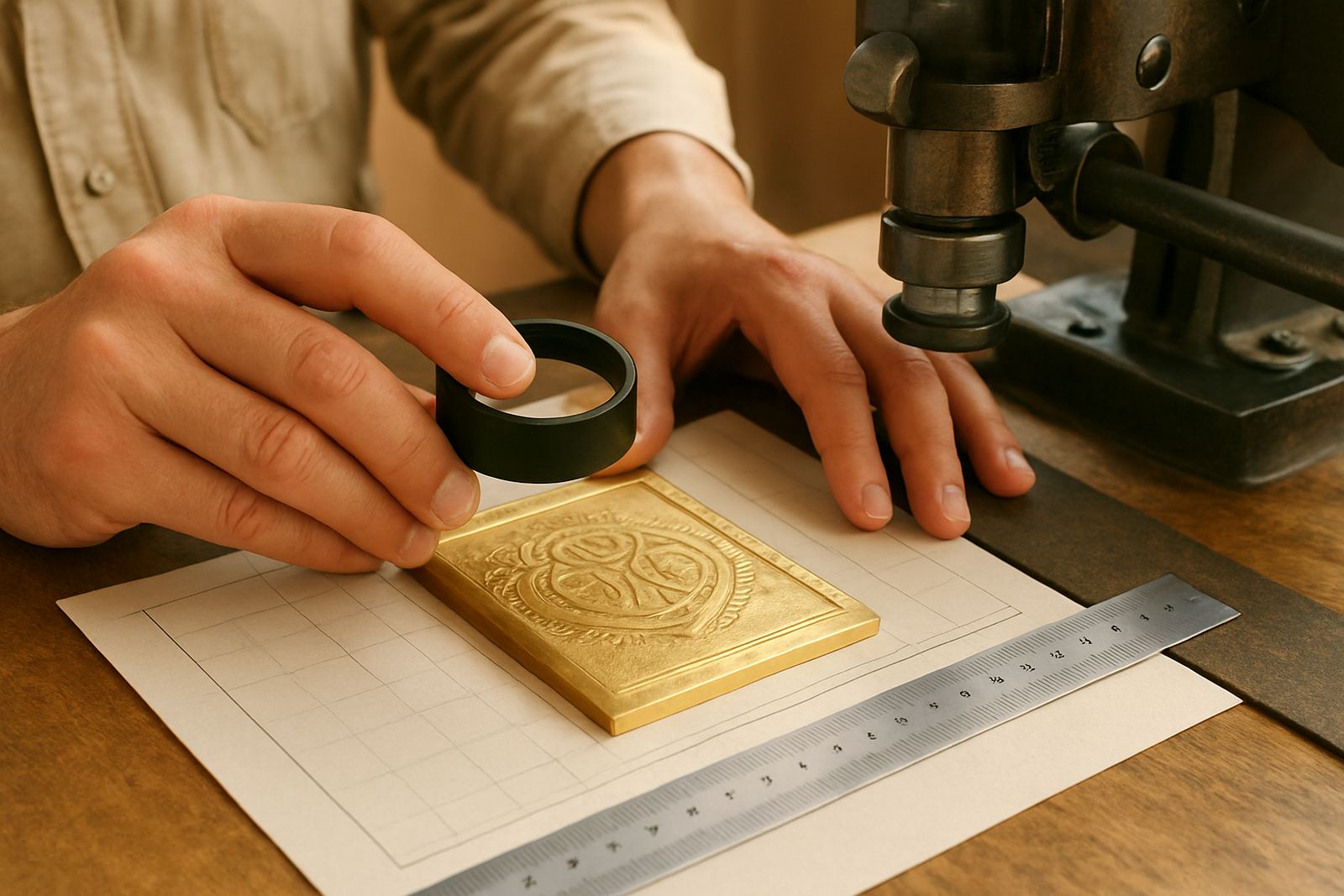
Press operators usually test a few settings before going into full production. That is where sample impression advice helps. A small change in heat or packing can make a big difference, and on a busy print floor that can save a whole batch. If the job is going to a packaging house in Durban or a finisher in Pretoria, it is worth agreeing the spec before the run leaves Johannesburg.
- Start with a test sheet and inspect under direct light
- Check for edge lift around solid foil blocks
- Look for cracking in tight emboss areas after folding
- Adjust packing before increasing temperature
Planning for packing, folding and municipal handling
A finished carton does not stop being vulnerable once it comes off the press. Soft-touch laminated items can scuff if packed loosely, and heavily embossed sheets need space so they do not flatten in transit. For clients sending jobs nationwide, the packing method matters just as much as the die itself.
We usually advise on how the job will be handled after finishing. If the cartons are heading to Cape Town, Gqeberha or Mbombela, the route, stacking and courier time all influence the final condition. In some cases a slightly firmer impression is better, while in others a lighter touch keeps the finish presentable and avoids damage. It depends on the board, the artwork and how the product will be used.
- Separate embossed sheets with protective interleaving where needed
- Avoid over-stacking finished cartons in warm trucks
- Keep jobs flat while the adhesive or foil fully settles
- Mark the pack clearly if the finish is delicate
A local example from Industria to the national courier network
We often see this with a Johannesburg packaging run for a boutique cosmetics client in Sandton. The carton was laminated with a soft-touch finish and needed a bright foil logo with a shallow emboss. The first sample looked clean on the flat, but the corner panels showed slight compression after folding. We adjusted the die layout, softened the pressure at the edges, and matched the counterforce more closely to the board thickness.
The final sheets held the foil well and the fold lines stayed neat. That same job was then packed for dispatch to the client’s finishing team, with extra care around moisture and stacking because the stock had to travel through a warm afternoon. Small changes in die design and packing made the difference between a good sample and a usable production run.
For print finishers working with soft-touch stock, the lesson is simple: do not treat it like plain coated board. The finish needs a proper check before engraving, and the packing needs equal care after the run. That is where experience saves time, waste and a lot of frustration.