Start With The Actual Finish, Not The Guess
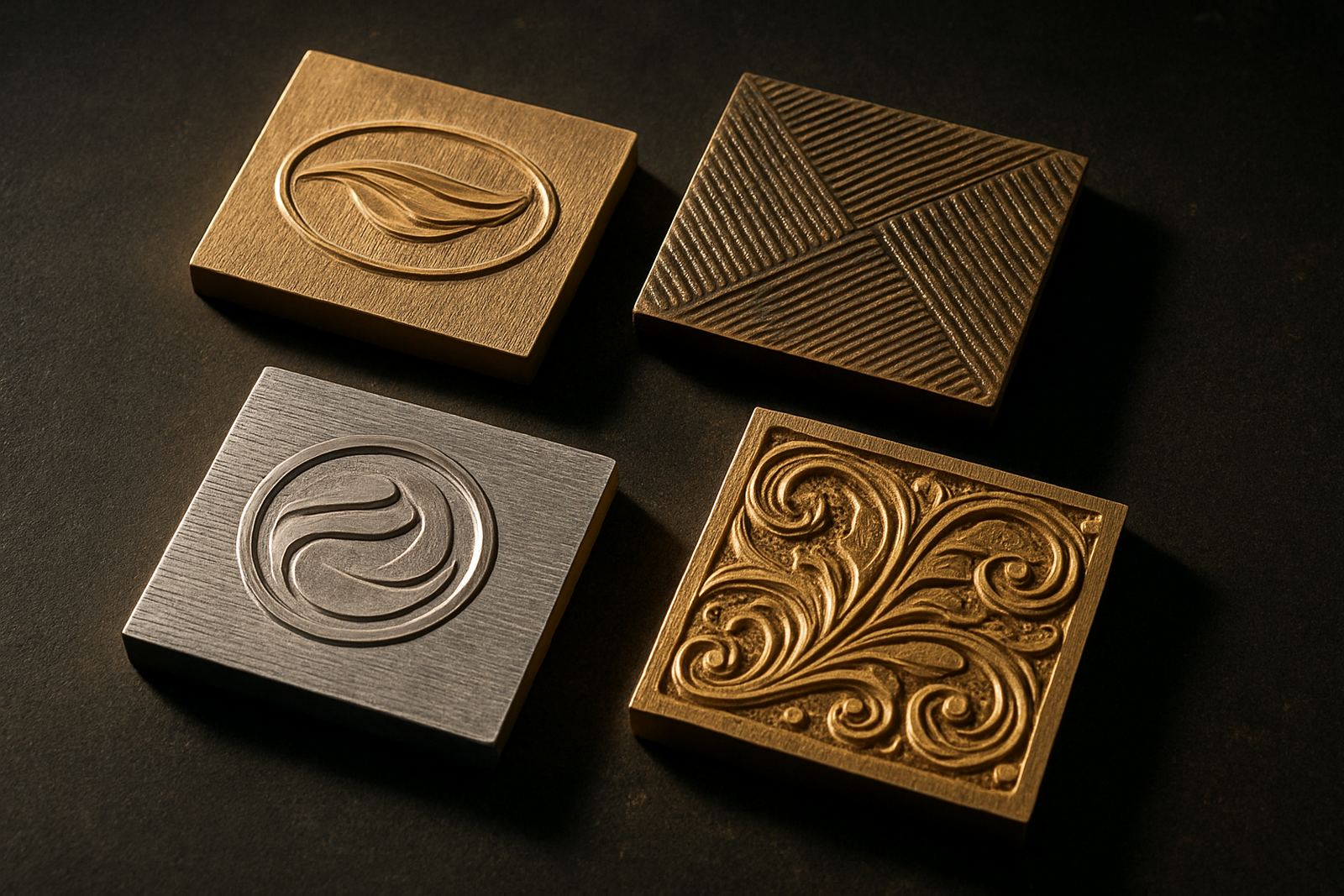
The fastest jobs are the ones where the finish is clear from the first call. Before anything goes to engraving, decide whether the job needs a brass die, a magnesium die or an embossing plate, and confirm the substrate too. Uncoated board, laminated cartons, soft-touch wraps and textured paper all behave differently under heat and pressure, so the wrong setup can waste a whole shift.
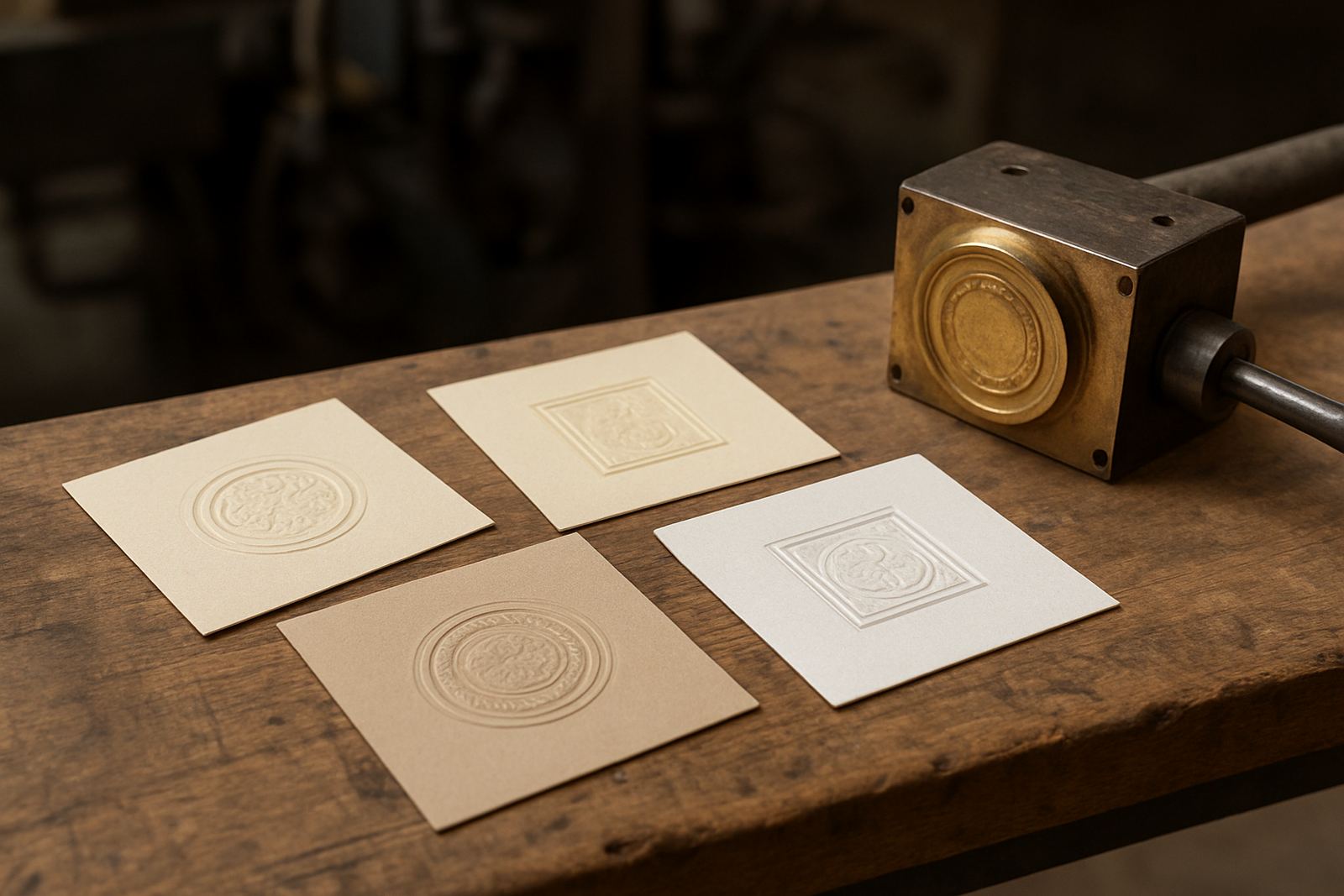
If the job is for a label, carton or premium pack, state whether the aim is hot foil, blind embossing or both. That sounds basic, but when a sales team says the logo must be “nice and crisp” there is still too much room for confusion. The more exact the finish brief, the less back-and-forth while the clock is running.
- State the exact process: foil, embossing, debossing or combination work
- Give the final size in millimetres, not only a visual reference
- Confirm the substrate, coating and any texture on the board or film
- Say whether the job is for short-run sampling or full production
Send Clean Artwork And The Right File Details
In urgent work, the biggest delay often comes from artwork that is not print-ready. Line art should be sharp, text outlined where needed, and tiny details checked against the size of the actual die. If the logo is being reduced for a carton flap or cap seal, what looks fine on screen may break up on the metal. That is why a proper artwork check matters before engraving starts.
Keep the file simple and labelled clearly. If there are versions, say which one is approved. If a company has changed a slogan or registration line, include that note in writing. Small changes after production has started can push a same-day job into the next day, which is exactly what nobody wants when a courier is already lined up.
- Supply the final approved artwork only, with version name or date
- Flag any thin lines, small type or fine detail that may need adjustment
- Give Pantone or colour references if the job includes foil matching or print alignment
- Mark what must stay open, what must be solid, and what can be simplified
Give Accurate Dimensions And Counterforce Information
For hot stamping dies, size and pressure information are not optional extras. A die made too small can shift on press, while one made too heavy or too fine for the job can slow down setup. If counterforce is needed, note the base material and the press type so the matching can be done properly. That is especially important on mixed jobs where one finisher handles the foil and another handles folding and packing.
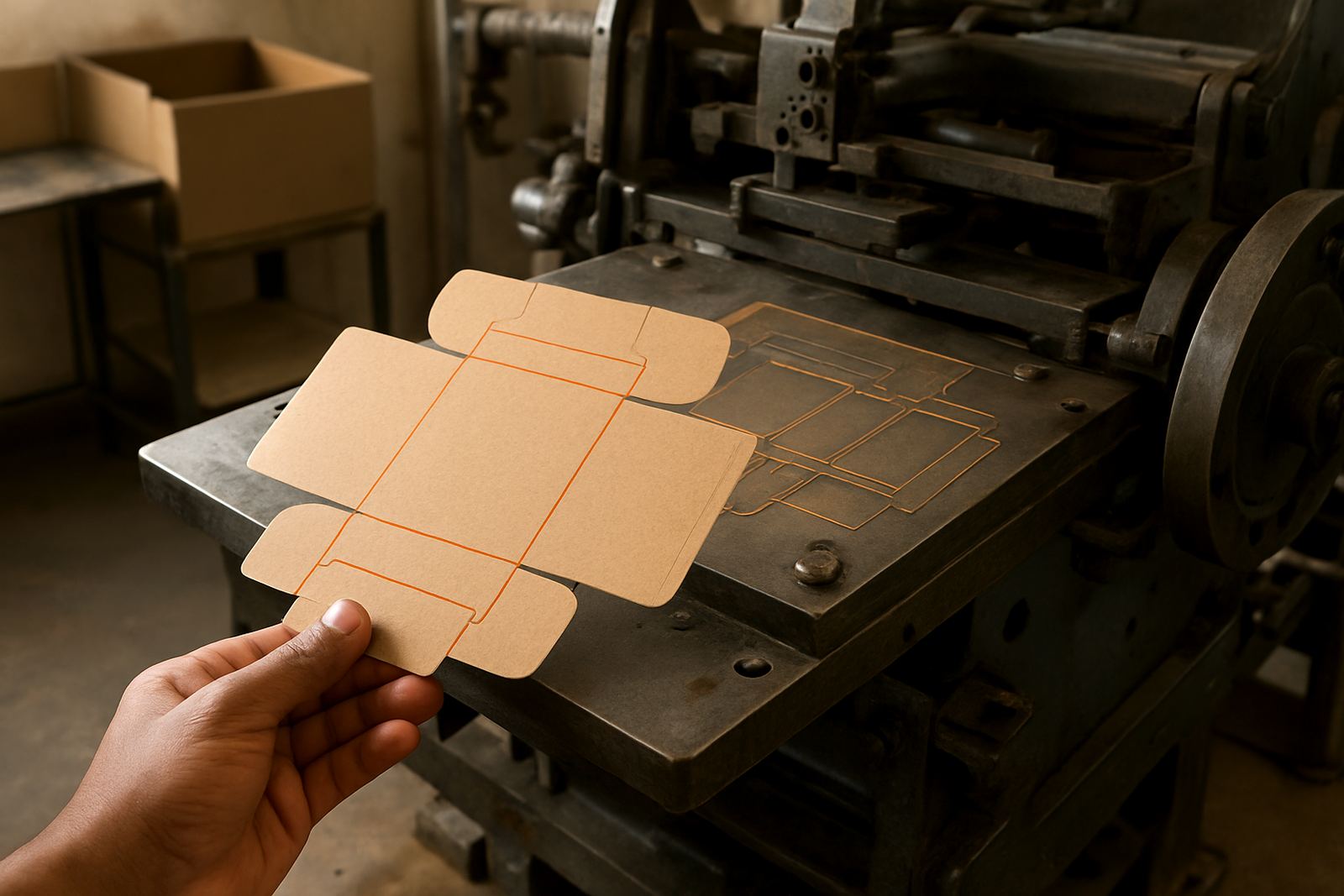
In urgent planning, it helps to include the exact area to be stamped, the paper or board thickness, and whether the print finisher is using a platen, cylinder or another press setup. A few extra millimetres in the right place can make registration easier, but the wrong footprint can cause heat spread and poor detail. On a packed production floor in Industria, that sort of mistake can cost hours.
- Provide width, height and any repeat measurements in millimetres
- Note board thickness, flute if relevant, and surface finish
- Say if the job needs counterforce matching or a replacement insert
- Include any press constraints, such as limited bed size or tight chase space
Plan For Courier Timing Before The Die Leaves Johannesburg
Urgent work is not only about engraving speed. The dispatch plan matters just as much. If the die is going to Durban, Cape Town, Gqeberha or Bloemfontein, the courier cut-off time must be built into the job schedule from the start. A die that is finished late afternoon in Industria may still miss the same-day dispatch window, even if the engraving is done perfectly.
Load-shedding can also affect timing, especially when a job needs final checks, packing and labelling before collection. If the finishing house is waiting for a press slot, tell them early whether the die will travel by overnight courier or local delivery. That way they can set up stock, prepare foil and line up the machine without guessing.
- Confirm the required delivery city and the earliest collection time
- Ask whether the finisher needs the die to arrive before a specific press booking
- Allow for regional transit time, especially over month-end or public holiday periods
- State if the job is critical for launch, repack or customer sampling
Use A Short Approval Chain, Not A Long One
When a job is urgent, too many approval layers slow everything down. One person should be authorised to approve the artwork, the size and the finish spec. If the job needs a sample impression first, make that decision quickly and use it for confirmation only, not for redesign. Otherwise the job can circle between sales, marketing and production while the die sits waiting.
A practical approval chain also helps if the customer changes something at the last minute. For example, a packaging house in Johannesburg might need a commemorative carton ready for a retailer launch in Pretoria the next morning. If one contact is responsible for sign-off, the team can keep moving instead of chasing three different messages and losing half a day.
- Name one final approver for artwork and one for production questions
- Keep comments focused on finish, size and legibility
- Approve sample impressions quickly if they are part of the brief
- File the final version for repeat ordering or later die alterations
Build A Buffer For Repeats, Cleaning And Job Filing
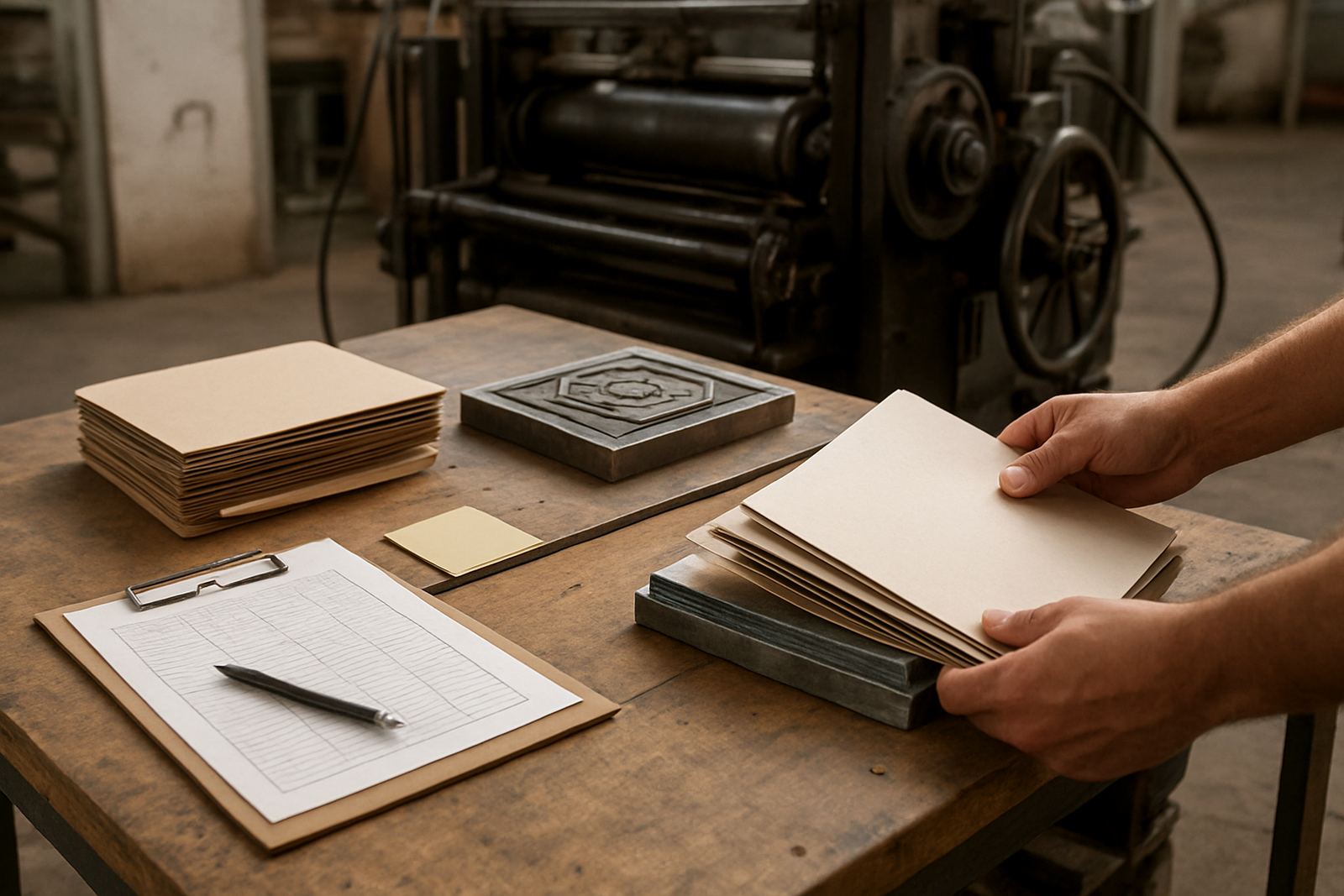
Even an urgent job should be set up with the next one in mind. If the same logo may be reordered, ask for the file to be kept safely with the job reference and any notes on counterforce, pressure or cleaning. That makes repeat ordering faster and reduces the chance of a fresh setup being needed next time. It also helps when a die needs later cleaning, a small alteration or a quick damage assessment after heavy production.
Good job filing is not admin for the sake of it. It is what lets a finisher in Polokwane, a packaging house in Cape Town or a print shop in Durban request the same die again without starting from zero. In South African production, where trucks, couriers and machine time all have to line up, that kind of organisation saves real money.
When time is tight, the safest rule is simple: give the clearest brief you can, answer questions fast and let the spec do the work. The more complete the start, the less likely the job is to slip under pressure.