When Menu Covers Need a Cleaner Finish
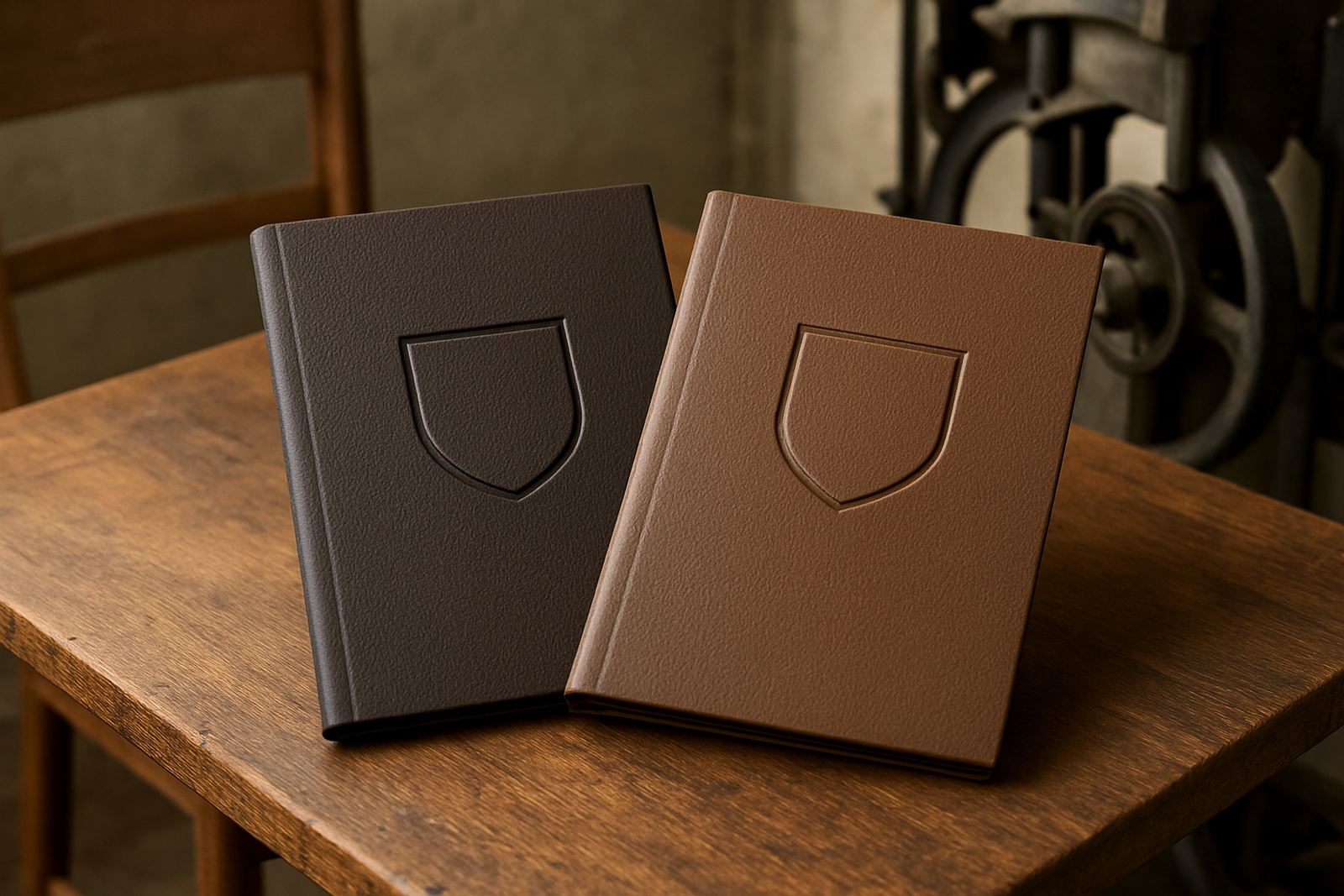
Restaurant menus, wine lists and tasting folders are handled all day, wiped down often, and sometimes stored in humid storerooms or behind the bar. That means the branding has to keep its shape on PU covers, leatherette, coated board, buckram, and other common cover materials without feathering at the edges or losing pressure on fine lettering.
For Johannesburg venues and coastal restaurants in Durban or Gqeberha, the material choice matters just as much as the artwork. Heat, moisture and repeated handling can expose weak tooling quickly, so we help clients choose a die type that suits the cover, the run length and the finish they want. A good menu cover should feel tidy in the hand and look consistent from the first copy to the last.
Typical Die Set-Up For Hospitality Covers
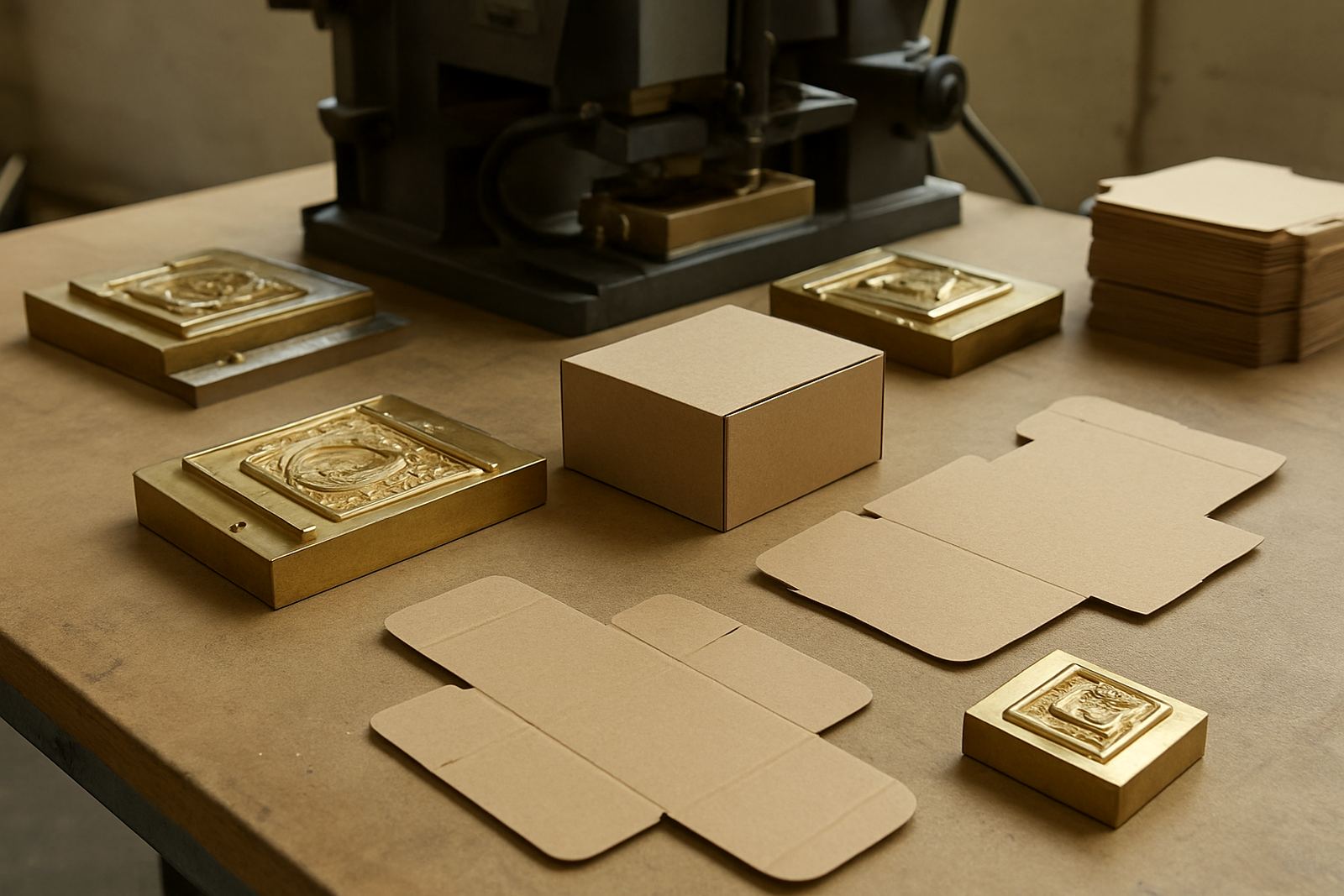
Most menu cover jobs start with the artwork, then move into die design, engraving and a sample impression check before production. For simple logos and short menu titles, a brass die often gives the best result because it holds detail well and lasts through repeat work. Magnesium can suit shorter runs or lighter applications where turnaround and cost need to be kept tighter.
- Brass hot-stamping die for longer life and sharper detail
- Magnesium die for smaller runs and faster make-up
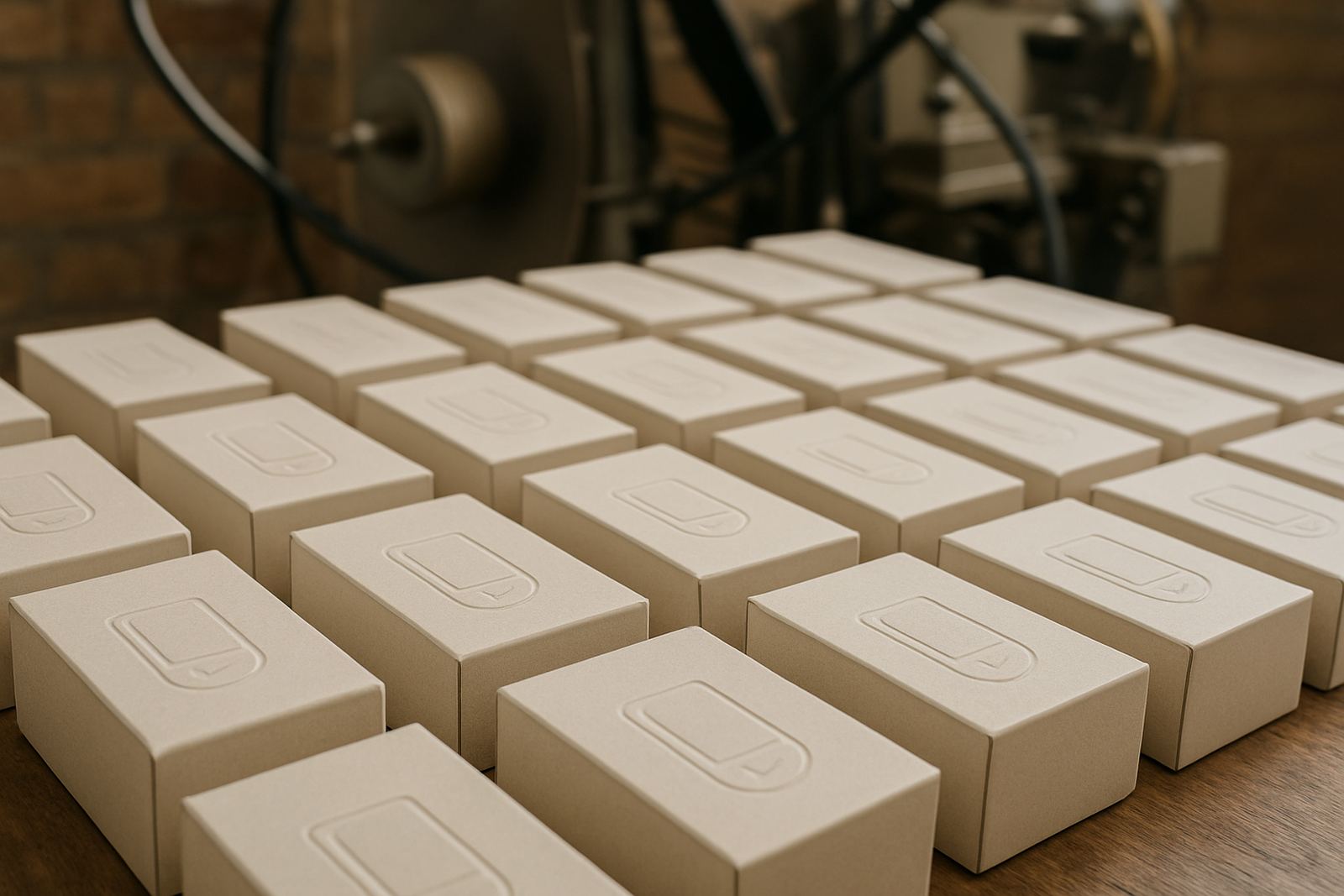
- Embossing plate where raised blind work is needed
- Counterforce matching for cleaner pressure on thicker covers
- Sample impression advice to check depth before full production
If your cover has stitched edges, foam underlay or a wrapped board core, we factor that into the die height and pressure requirements. That avoids the common problem of a logo that looks fine on flat card but breaks up when applied to an uneven cover.
Planning Your Layout Before The Die Is Cut
Menu cover branding works best when the layout is planned for the actual cover size, not only the artwork file. A title that is centred on screen can sit too close to the seam once it is stamped on a finished cover. We always look at trim size, hinge lines, corner radius and where the menu insert will sit, because those details change where the impression should go.
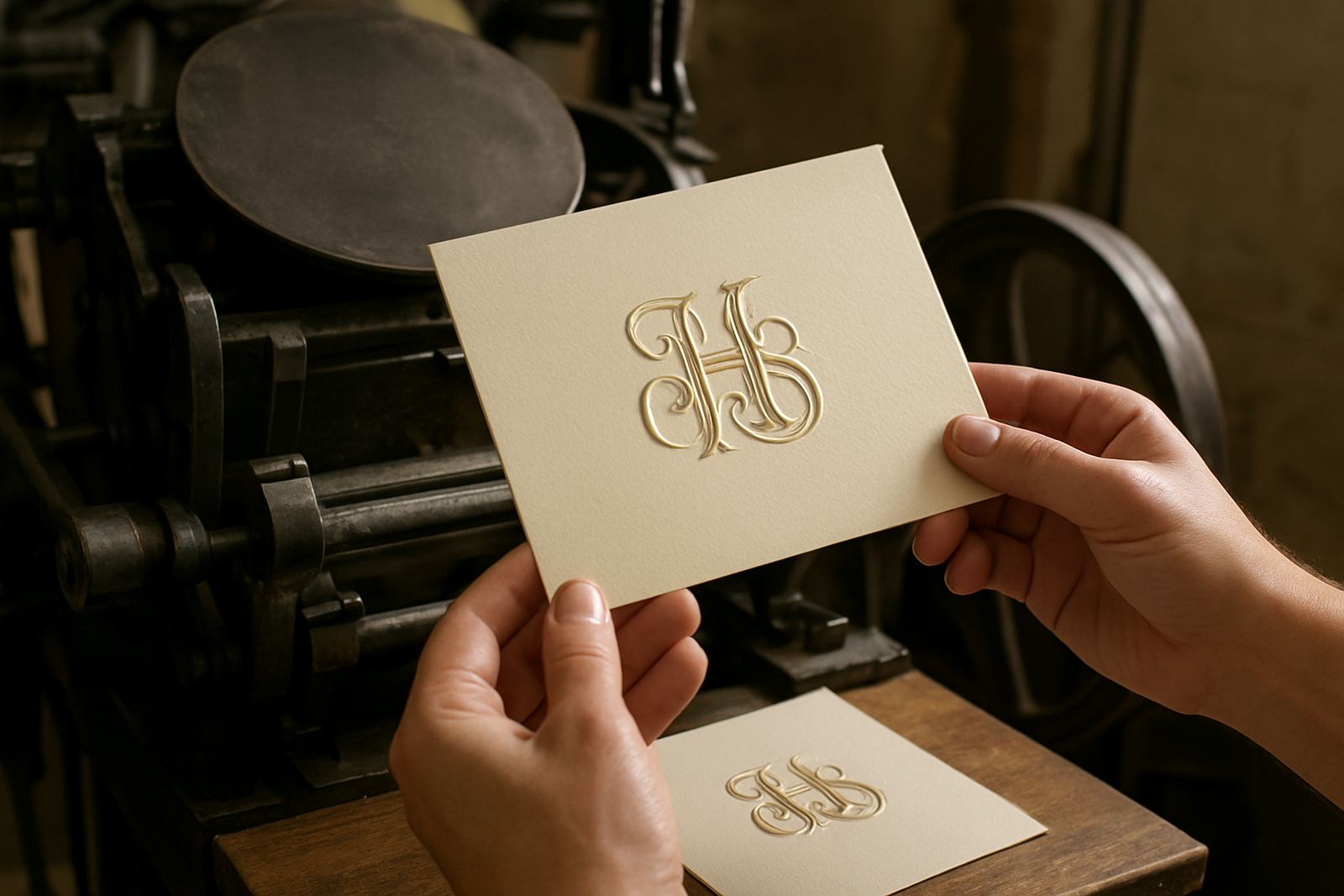
For wine lists, the usual mistake is making the branding too small to survive handling. Fine script can look elegant on proof but disappear on textured material, especially if the cover is dark and the foil is a low-contrast shade. In practice, a slightly heavier line weight and a cleaner font often gives a better end result, and saves rework later.
- Allow enough clear space from seams and folds
- Keep small text to a sensible size for the chosen material
- Check whether the logo is meant for foil only or blind embossing too
- Confirm if the same die must work on multiple cover colours
Common Mistakes That Cost Time And Money
One common issue is sending artwork that has not been cleaned up for engraving, which leads to broken edges or letters that stamp unevenly. Another is not accounting for the cover material. A die that works well on smooth PU may need adjustment for a textured surface or a deeper impression on thicker board. The job then gets held up, and the finish still may not look right.
We also see repeat orders where the original die was filed away with no record of the exact cover spec, foil type or impression setting. That makes matching difficult when a restaurant opens a second branch in Pretoria or replaces a batch of covers months later. Good job filing helps avoid guesswork, and it makes future reorders quicker.
Urgent Turnaround For Launches And Seasonal Menus
Hospitality work is often time-sensitive. New menu covers may be needed before a launch, a December refresh, a menu print change or a hotel rebrand. In those cases, urgent turnaround is usually about keeping the process simple and accurate from the start. If we have clean artwork and the correct cover dimensions, the job can move through engraving and dispatch without unnecessary delays.
Dies are couriered nationwide to print finishers and packaging houses, so clients in Cape Town, Bloemfontein, Polokwane or Mbombela can receive the tooling without needing to travel to Industria. Packing is done to protect the working face and avoid damage in transit, because even a small nick on the edge can affect the finish on a fine logo.
- Clear artwork files speed up the approval stage
- Final cover size should match the actual production item
- Rush work still needs a proper impression check
- Courier timing should be allowed for before a launch date
Budget Ranges For Menu Cover Dies
Budget depends on die size, the amount of detail, whether the job needs embossing as well as foil stamping, and how quickly it has to be turned around. As a practical guide, smaller magnesium dies for simple menu titles may start from around R650 to R1 250, while brass dies for more detailed or longer-life work can range from about R1 500 to R4 500 or more. Larger cover formats, multiple positions, or matching emboss and counterforce sets will increase the price.
For hospitality clients working with tight opening budgets, it often helps to price the die against the number of covers in the first run and the expected reorders. A good die is not just a once-off purchase, it supports repeat use across seasons and branch rollouts, so the cost per menu usually comes down over time.
What To Send Us For A Clean Start
To avoid delays, send the artwork in a clean vector format if possible, together with the cover size, material type, branding position and whether you need foil, blind embossing or both. If the cover is already in production, a sample photo or a finished sample with measurements helps us judge the pressure and placement more accurately. That is especially useful for soft covers or heavier board construction where the impression can behave differently.
Our team handles artwork checks, die design, engraving production, counterforce matching, die alterations, sample impression advice, packing dispatch and job filing. Thabo Mokoena leads the business from Industria, with Ayesha Naidoo, Johan van der Merwe, Lerato Molefe, Sibusiso Dlamini and Megan Petersen supporting the work from first query to final dispatch. For menu covers that need to look smart and last through daily service, accurate tooling makes all the difference, and a tidy brief helps us get there faster.