
Clean the die properly after every run
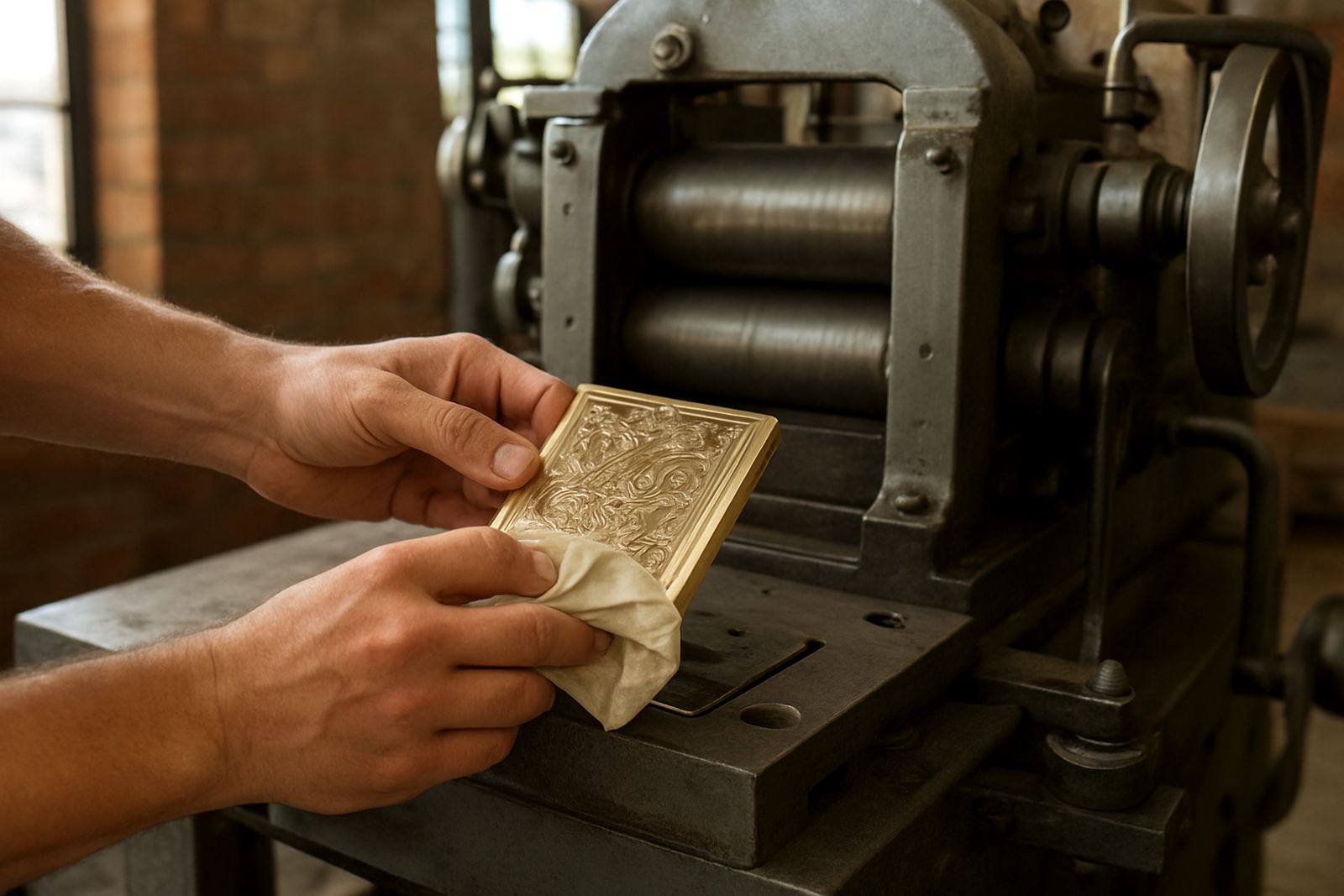
Once the job is complete, allow the die to cool before you handle it. Wipe away ink, foil residue, adhesive dust and paper fibres with a clean, lint-free cloth. If the die has stubborn build-up, use a mild solvent approved for print tooling and apply it sparingly. Too much liquid can creep into fine lines and soften storage labels, so keep the wipe controlled.
Do not use steel wool, coarse pads or aggressive scraping tools. These can mark the face of the die and damage detail that should stay crisp for the next run. A careful clean only takes a few minutes, and it helps prevent residue from hardening during hot Johannesburg afternoons or in humid coastal stock rooms.
- Let the die cool first
- Use a soft cloth or low-lint wipe
- Remove residue from recesses and edges
- Avoid abrasive pads and sharp scrapers
Handle brass and magnesium tools with care
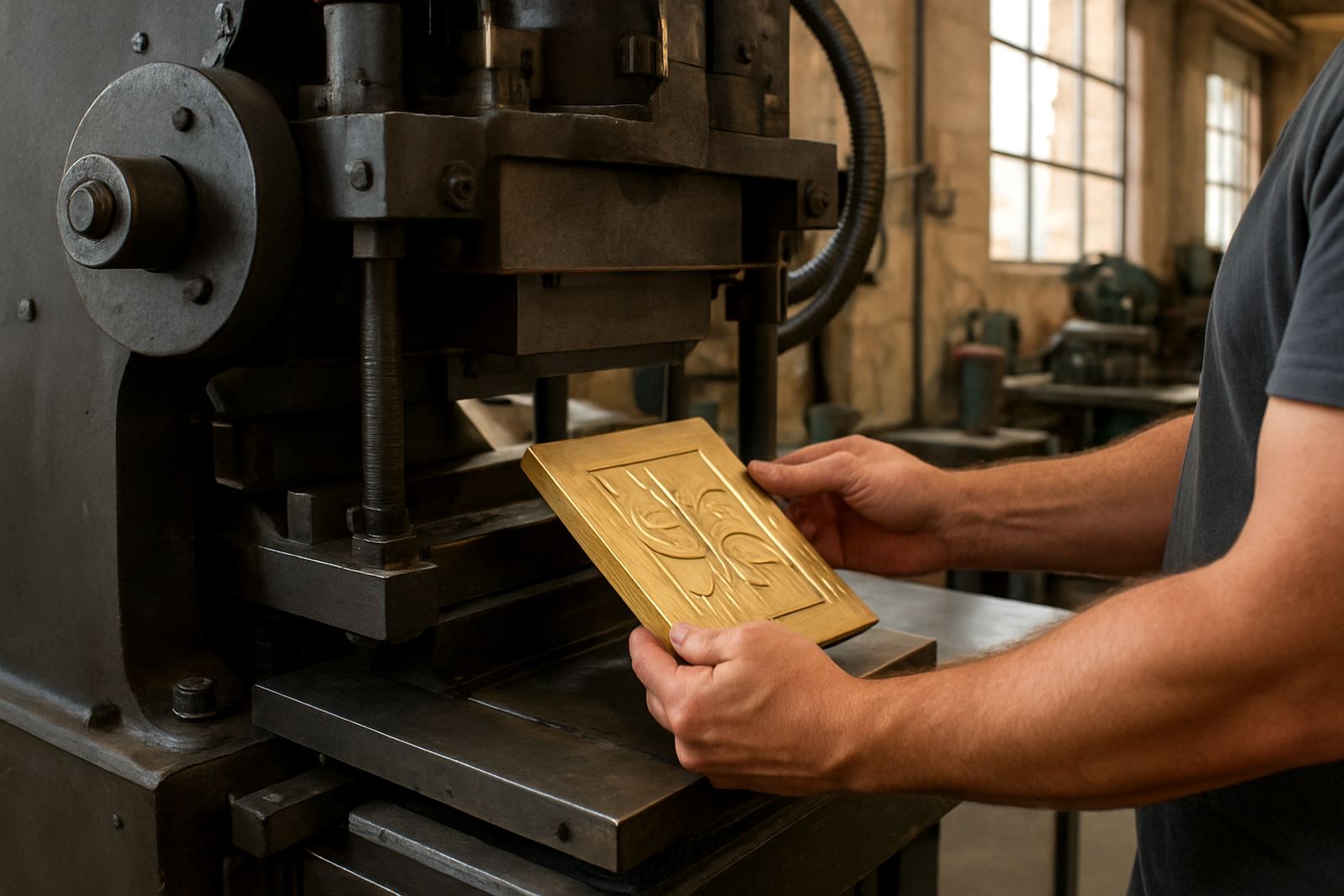
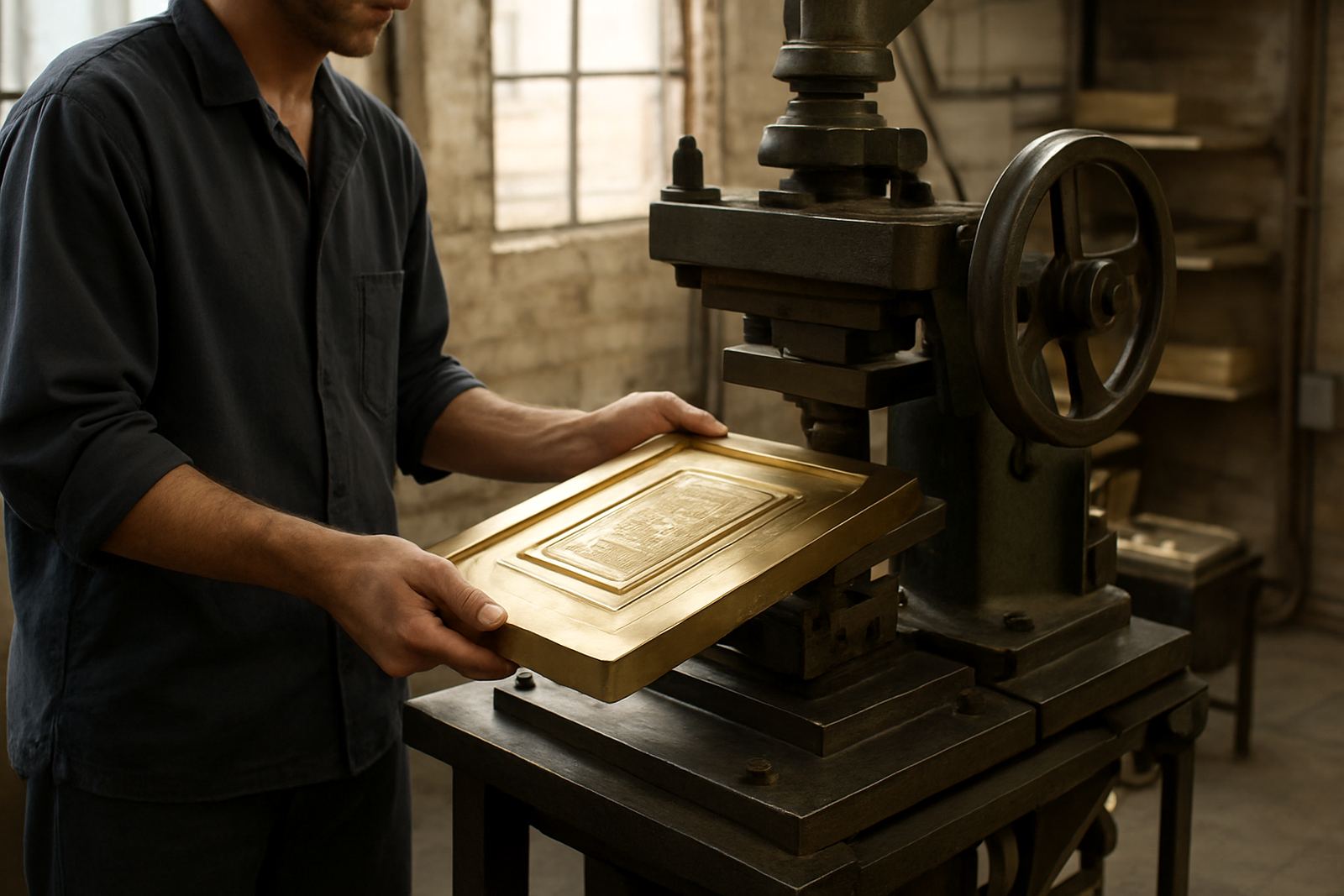
Hot stamping dies and embossing plates should be picked up by the edges where possible. Avoid touching the working surface with bare hands after cleaning, because skin oils can collect dust and affect finish quality. If a tool is large or has a delicate feature, use two hands and support it evenly so it does not flex or twist.
Keep tools away from benches where they can slip off a pile of boards, foil rolls or finished cartons. A small drop can nick a corner or crack a thin section. In busy finishing rooms, it helps to have one clear place for incoming and outgoing dies, with a simple label showing the job name, size and side to face the press.
- Lift from the edges, not the face
- Use two hands for larger pieces
- Keep tools away from cluttered work surfaces
- Label each die before storage or dispatch
Store dies in a dry, stable place
Storage matters just as much as cleaning. Keep dies in a dry area with steady temperature and away from direct sun, open windows, roof leaks and wet floors. Coastal moisture can cause surface staining if tools are left exposed for too long, while dusty inland stores can clog fine detail. A closed cupboard, drawer system or sealed box is better than leaving tools on a shelf.
Where possible, place each die in its own sleeve, wrapped with clean paper or foam that will not shed fibres. Store the face in a way that prevents contact with other metal items. If dies are stacked, separate them with a protective layer so one sharp edge does not mark another. In high-volume print rooms, organised storage also saves time when repeat ordering becomes due.
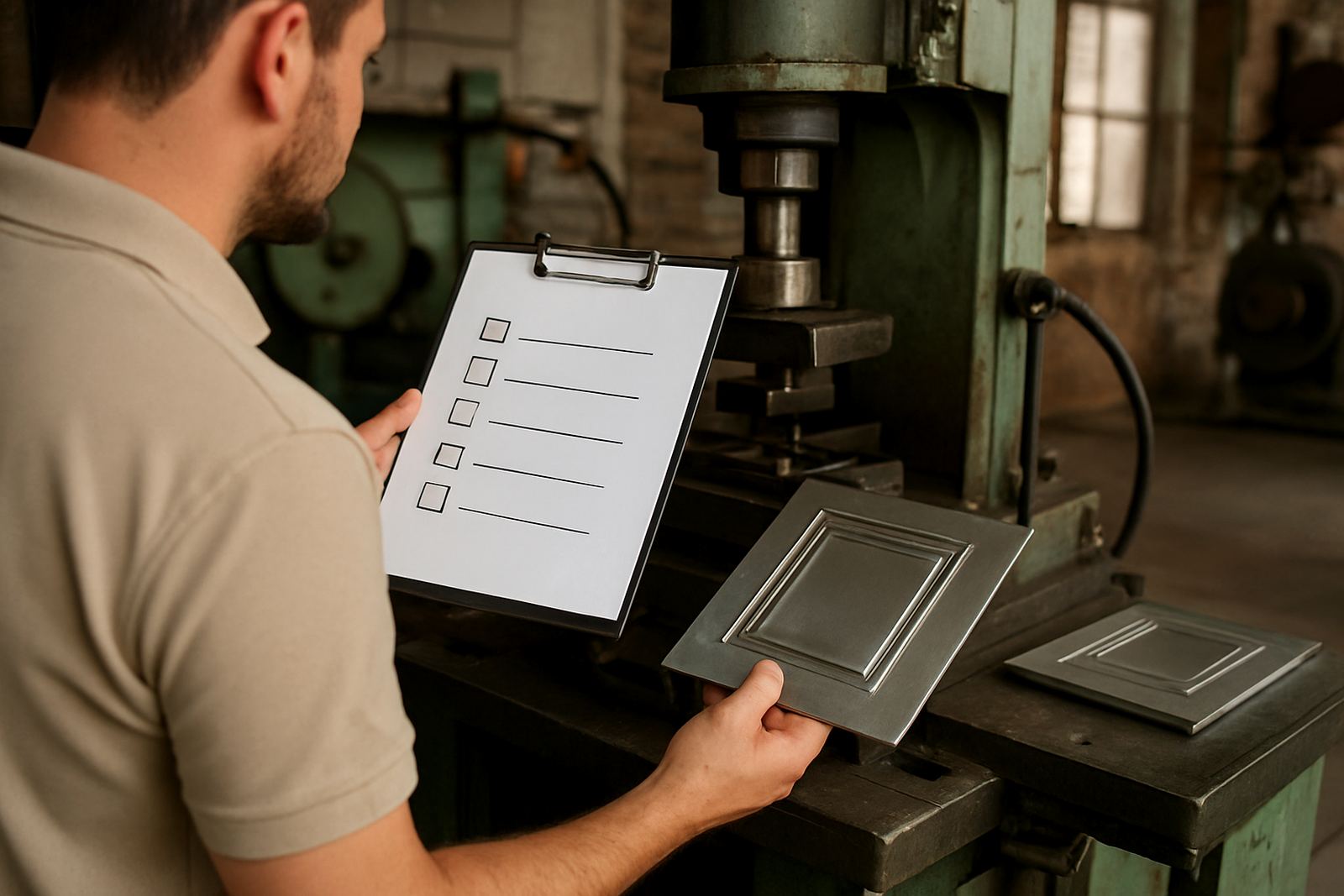
Inspect for wear before the next run
A quick inspection before reuse can prevent a costly delay on press. Look for dents, bent corners, loose mounting material, worn lines or areas where the impression no longer looks even. If the die is used for embossing, check that the counterforce still matches the shape correctly. A mismatch can lead to weak detail on one side and over-compression on the other.
If you notice anything unusual, set the tool aside for review rather than forcing it through another run. Small issues are easier to correct early. The same applies after a long production run or a job that involved heavier board, coated stock or repeated press pressure. A short check now can save a rework later.
Packing and couriering dies between sites
When dies are being sent to a print finisher, packaging house or another branch in Johannesburg, Pretoria, Durban, Cape Town, Gqeberha, Bloemfontein, Polokwane or Mbombela, packing has to protect both the face and the edges. Wrap the tool securely, then place it in a rigid carton or crate with enough padding to stop movement during transit. Loose packing often causes the most damage.
Mark the parcel clearly and include the job reference inside the pack as well. This makes receiving, filing and repeat ordering easier at the other end. If a die is urgent, let the team know so packing and dispatch can be arranged for a quicker turnaround. Good packing is simple, but it makes a big difference when couriers are busy or the route crosses several depots.
- Wrap the die before boxing it
- Use rigid outer packaging
- Stop any movement inside the parcel
- Include the job reference inside the box
When to ask for cleaning, alteration or repair advice
Some dies only need basic care. Others need a closer look. Ask for advice if the impression has started to fade, if the die was dropped, if there is visible wear after long use, or if a change is needed for a revised carton or label. Our support team can assist with damage assessment, die alterations, sample impression advice and job filing so the right version is kept on record.
Good care is not only about keeping the tool looking neat. It is about protecting the accuracy of the image, the consistency of the press result, and the life of the tooling between runs. With the right handling routine, a die stays ready for the next job and the next one after that.