How we schedule each die job
Every job starts with the artwork, the plate size, the substrate and the finish you need. A simple repeat die can move quickly, while a new brass die with fine detail or a matched embossing plate may need extra time for artwork checking and counterforce planning. We work from Industria in Johannesburg and courier dies to print finishers, packaging houses and trade users across South Africa.
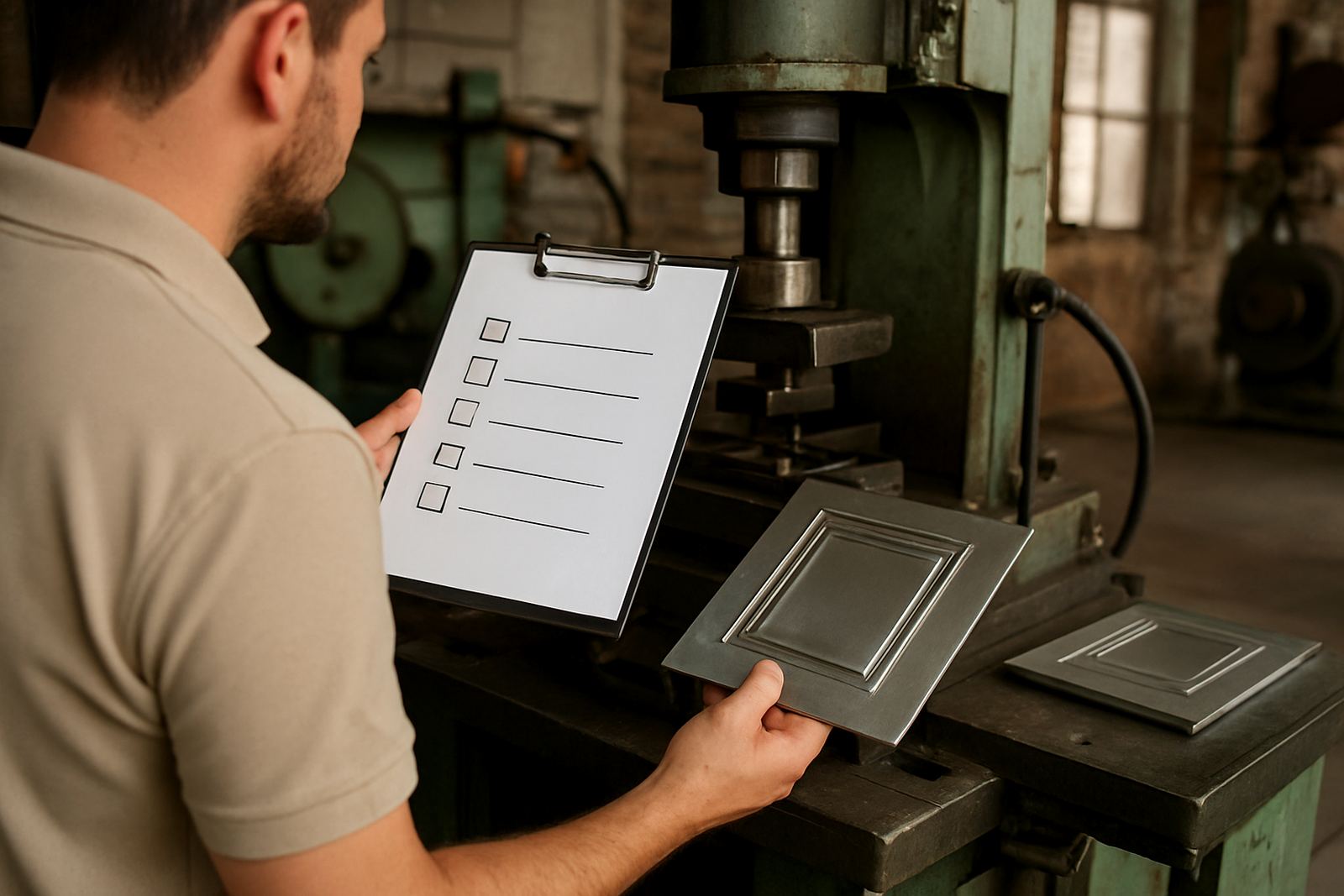
Once your enquiry comes in through the contact form, we review the artwork, confirm the size and check whether the file is ready for engraving. If something needs attention, such as thin lines, small text or a reversed impression, we flag it before production starts. That early check saves a lot of back and forth later, and helps keep the job on track.
Typical timing for standard production
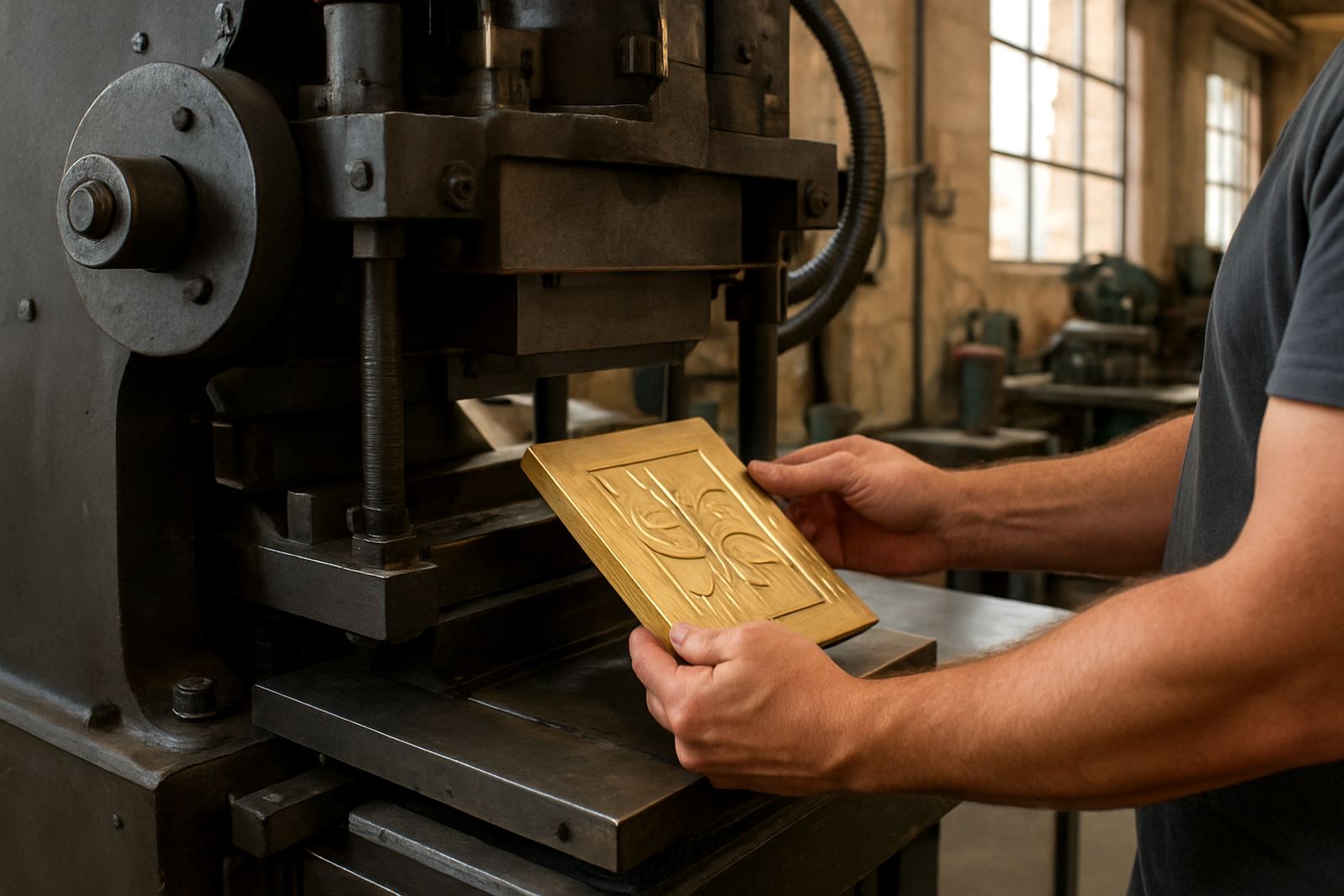
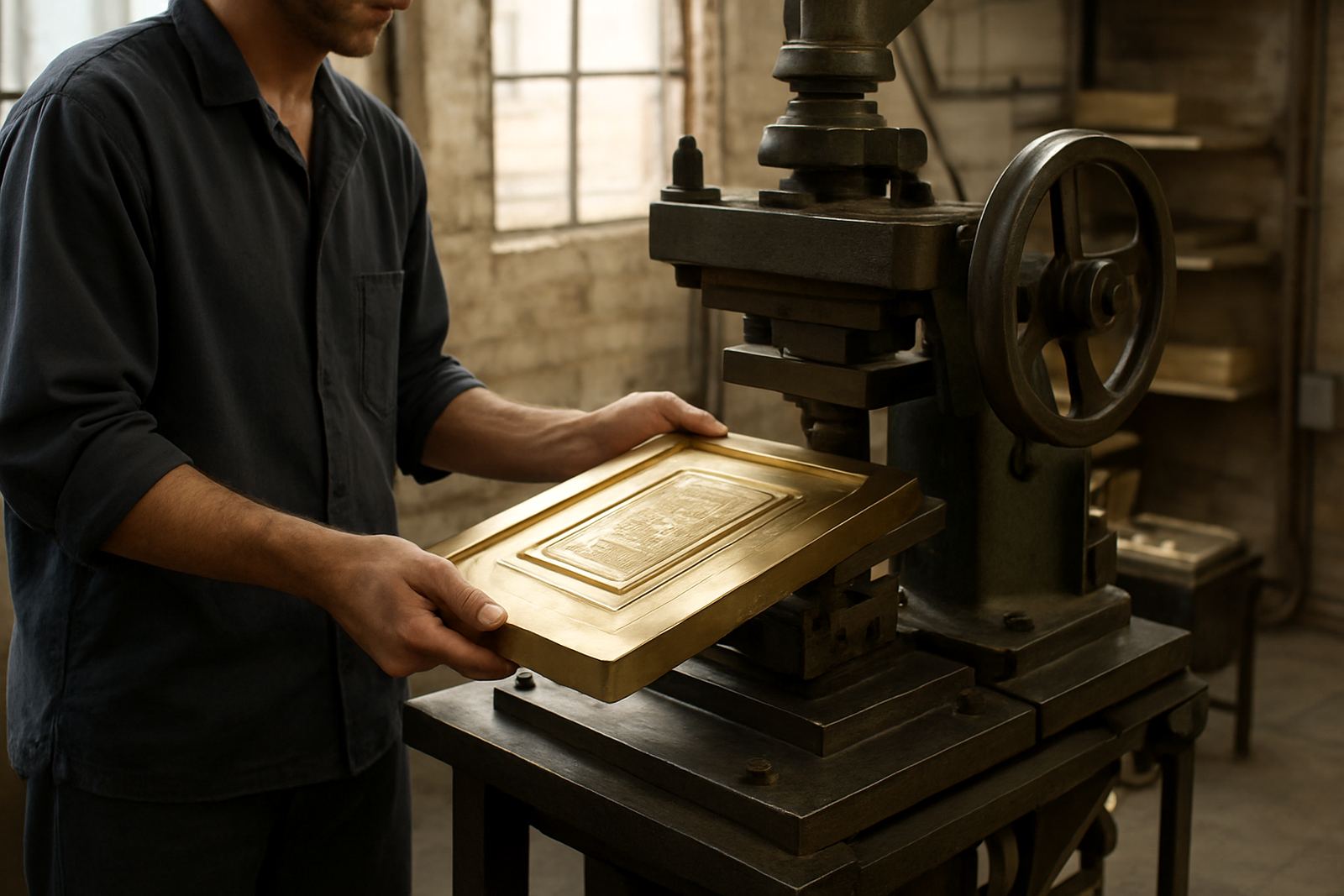
For standard new work, allow time for artwork checks, engraving and packing. The exact timing depends on the die type and the number of faces or details involved, but most straightforward brass and magnesium hot-stamping dies are completed within a normal production window once approvals are in place.
- Artwork check and confirmation of size: usually same day or next working day
- Engraving and finishing: usually a few working days for standard jobs
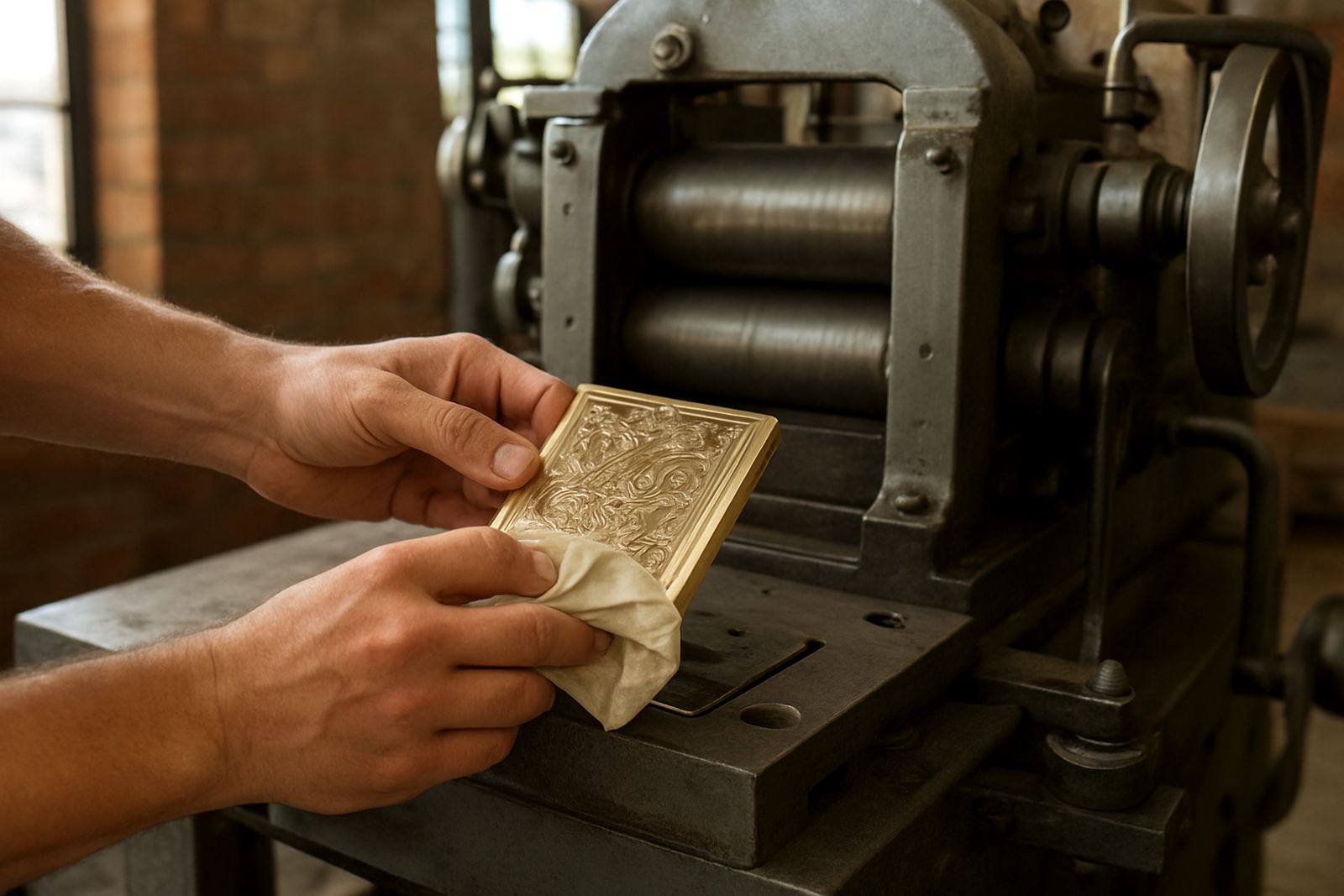
- Packing and dispatch from Johannesburg: once the die passes final inspection
If your job includes matching a counterforce, or if the artwork needs cleaning up, that can add time. Durban and Cape Town orders are not slower on our side, but courier transit does need to be added after dispatch. We always advise clients to factor in both production and delivery, not just the engraving time.
Repeat orders and file re-use
Repeat orders are usually faster because the job record is already on file. If the previous die is still in good condition and the artwork has not changed, we can often move straight to production after confirming the repeat details. This is useful for packaging lines, seasonal promotions, and clients who need the same impression size month after month.
- Quote the previous job number if you have it
- Confirm whether the artwork is unchanged
- Tell us if the die needs any minor alteration before engraving starts
Keep in mind that a repeat order is not always a straight copy. If the substrate, press setup or foil has changed, we may suggest a small alteration or a fresh sample impression check. That small extra step can prevent waste on press, especially when production is running under tight schedules.
Urgent turnaround and same-day collection planning
Urgent jobs can sometimes be handled on a priority basis, subject to artwork readiness and workshop load. If you are in Johannesburg or Pretoria and need a fast turnaround, the best route is to submit a clean file, clearly note the deadline and state whether the job is for immediate press use or a test impression only. That helps us decide what can be moved ahead in the queue.
Urgent turnaround is most practical when the artwork is final, the size is confirmed and no major redraw is needed. If a die has to be engraved the same day, we may still need to trim the scope slightly, for example by focusing on the main stamp face first and handling a minor adjustment afterwards. For really tight deadlines, call that out in the enquiry notes so the team can advise honestly on what is possible.
Courier times to major South African centres
Once a die is complete, it is packed carefully and sent by courier to your site or to your print finishing partner. Transit time depends on the destination and the courier cut-off. Johannesburg and Pretoria deliveries are usually quicker than out-of-province routes, while coastal destinations may take an extra working day, especially when collections are made late in the afternoon.
- Johannesburg and Pretoria: often next working day after dispatch
- Durban, Cape Town and Gqeberha: usually 1 to 2 working days in transit
- Bloemfontein, Polokwane and Mbombela: usually 1 to 2 working days depending on route and collection time
Load-shedding, traffic and month-end courier volumes can affect the final handover, so it is wise to build in a small buffer for important print runs. If your team is working near the coast, let us know, as we can advise on packaging care for humid conditions and storage before the die goes onto the press.
What can slow a job down
The most common delays come from unclear artwork, missing dimensions, last-minute changes and waiting on approval. A file that looks fine on screen may still need correction for line weight, reversed text, spacing or the depth needed for embossing. If the impression is too fine, the result can be weak on press, so we would rather fix it before engraving than after the run has started.
Delays can also happen when a client changes the substrate after the job is already in production. Foil, board type, carton coating and press pressure all affect the final impression. In some cases we may recommend sample impression advice or a quick damage assessment on an existing die before repeating the work, which keeps the turnaround practical and avoids rework.
How to keep your job moving
The fastest jobs are usually the ones with clear instructions and a complete brief from the start. If you are ordering from Johannesburg, Durban, Cape Town or any other centre, send the artwork, size, quantity and target date in one go. That lets us line up production, packing and dispatch without unnecessary stops.
- Send the final artwork and confirm the size in millimetres
- State whether it is a new die, repeat order or alteration
- Tell us where the parcel must go and whether it is urgent
- Keep an eye on your enquiry form reply for approval or query items
For many clients, the simplest approach is to treat lead time as two parts: workshop time and courier time. Once you allow for both, it becomes much easier to plan press bookings, foil stock and finishing schedules. That planning also helps when you are juggling multiple jobs in the same week, which is often the reality in print and packaging.