
Start With the Old Job Reference
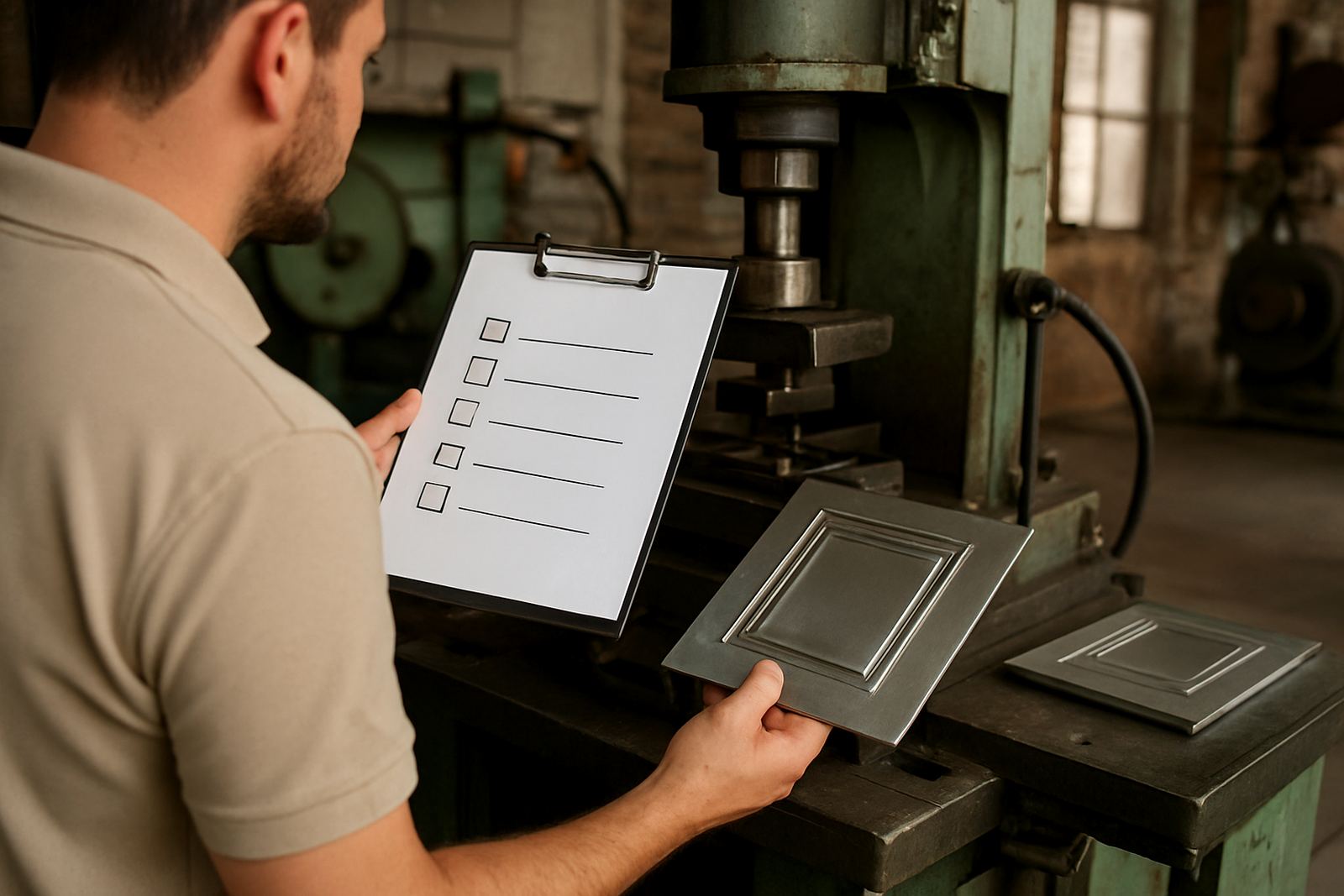
The quickest repeat order begins with the previous job number, invoice reference or sample impression. If you have a file from your last run, send that with the enquiry form so we can pull the right record from job filing and check the exact spec before any cutting begins.
If the job has been running for a while, it helps to add the product name, carton size, label size or pack format. A simple note like this can save a lot of back and forth, especially when the same client has several versions for different customers or regions.
- Job number or invoice reference
- Previous artwork file or approved proof
- Product or pack name
- Date of the last order if known
Send the Latest Artwork, Not Only the Old File
Repeat work often looks simple, but artwork can change without the die changing. A logo may shift, legal text may grow, or a new foil area may need a different counterforce set-up. For that reason we always prefer the latest print-ready artwork, even when you want the same die as before.
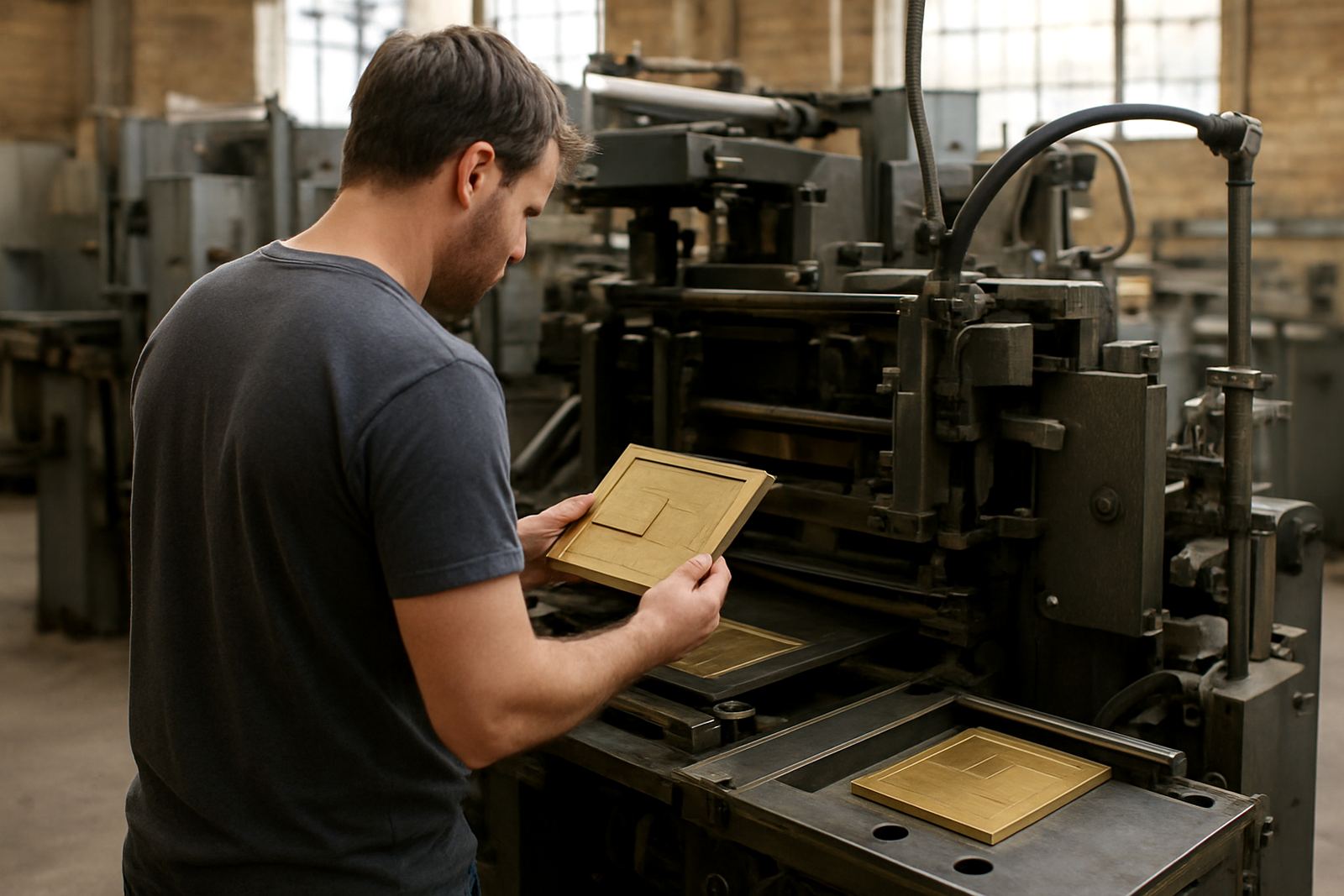
When you submit the newest file, our artwork prepress check can confirm whether the existing die can be reused, altered or replaced. That avoids surprises on press and helps keep the foil impression clean on coated board, uncoated stock, or heavier packaging grades.
- Latest approved artwork
- Any revised size, wording or layout notes
- Material type and thickness
- Whether the job is foil, embossing or both
Tell Us What Must Stay Exactly the Same
Some repeat jobs must match a previous run very closely. This matters for branding on cartons, presentation boxes, wine packs and retail sleeves where the logo must sit in the same place every time. If the registration, depth or finish must remain unchanged, say so in your note.
It also helps to tell us if the job must fit a matching counterforce or an existing chase set-up on your side. If the press room has already tested the format, we can work to those details and keep the repeat order aligned with the production line.
- Exact logo placement
- Required depth or pressure feel
- Matching embossing or de-bossing detail
- Press or finishing constraints on your side
Check Whether the Die Needs Cleaning or Alteration
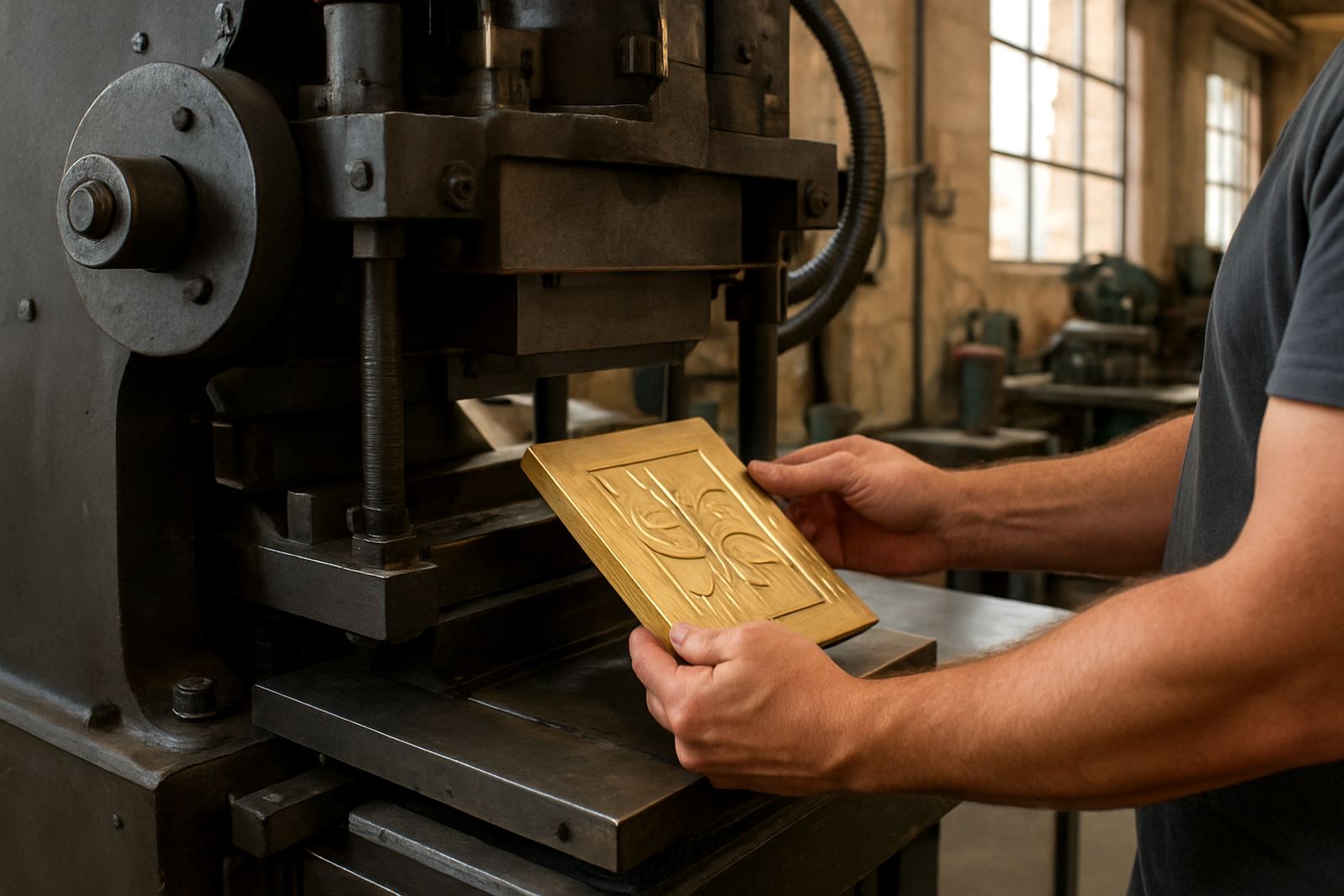
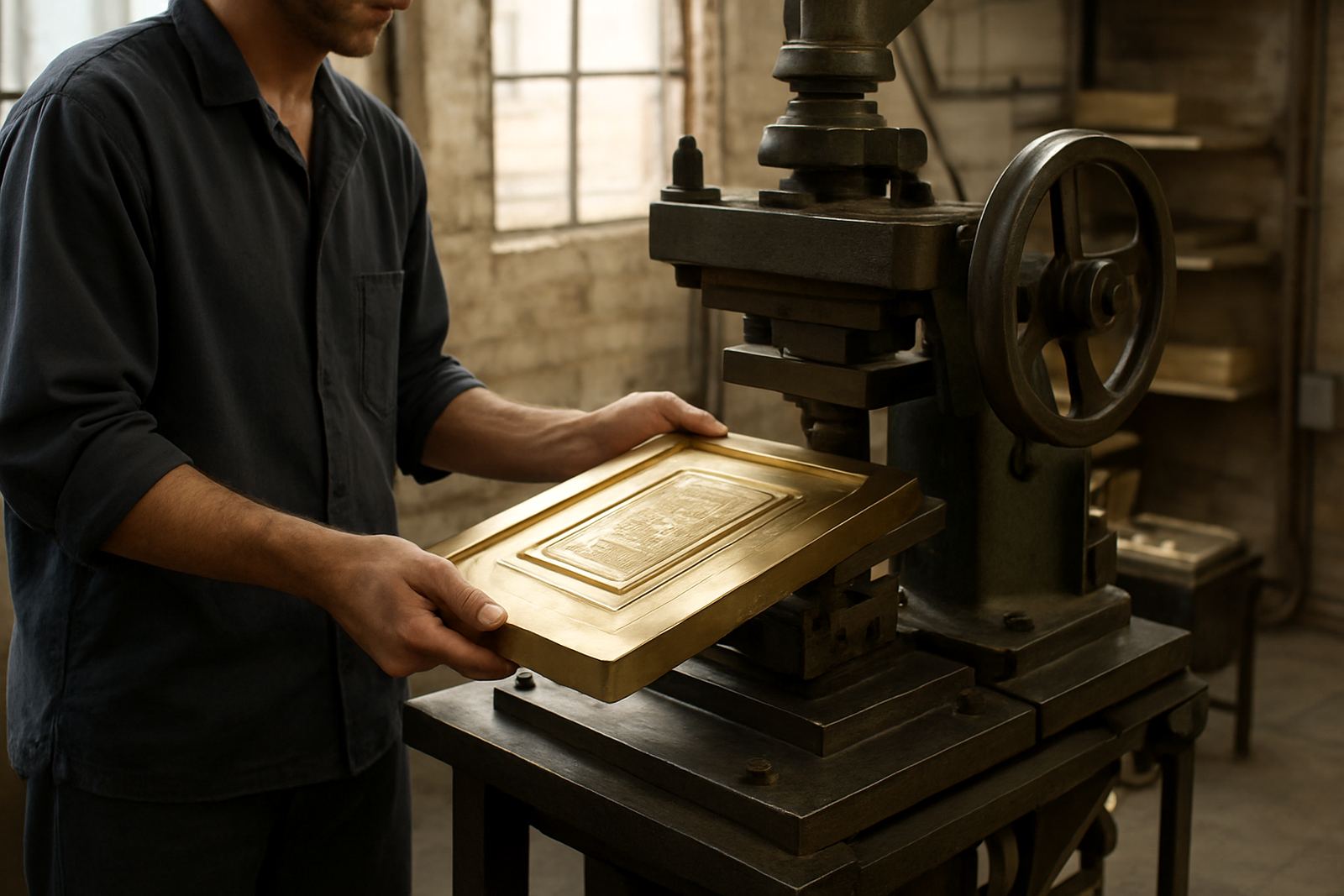
Not every repeat order needs a brand new die. Sometimes the existing brass or magnesium tool only needs cleaning, a small alteration or a fresh counterforce match. That can be the better option when the job is close to the last run and the engraving is still sound.
If the die has been stored for a long time, or if the job has been through several print cycles, we can assess wear, damage and sharpness before advising next steps. Coastal humidity, dust and poor storage can affect older tools, so it is worth asking us to inspect the condition before you commit to a full remake.
Use the Right Details for Faster Turnaround
Urgent repeats move faster when we get the right information first time. Our team in Industria, Johannesburg handles enquiries for print finishers and packaging houses across South Africa, and the clearer your brief, the faster we can confirm timing and packing dispatch.
When load-shedding is affecting your press schedule, or you have a courier cut-off to meet, include that in the note. A realistic deadline helps us plan engraving production, sample checking and dispatch without guessing. That way you know whether the job can be turned around in time for your slot.
- Deadline for delivery or collection
- Town or delivery address
- Need for urgent turnaround
- Any press booking date already fixed
What We File for Future Reorders
Every completed repeat job is easier the next time if the file trail is complete. We keep the artwork, job notes, size details and production history together so future orders can be matched more accurately. This is especially useful when the same client orders across Johannesburg, Pretoria, Durban, Cape Town or regional centres such as Polokwane and Mbombela.
If your team plans to reorder the same item several times a year, ask us to keep the key details on record. Then the next enquiry can start from the previous approval rather than from scratch, which saves time and reduces the chance of a mismatch.
How to Place the Repeat Order
Use the enquiry form on our contact page and attach the previous job reference, latest artwork and any notes about changes or urgency. Once we receive the details, we check the record, confirm whether the die can be repeated as is, and advise if cleaning, alteration or a fresh engraving is needed.
For established packaging and print finishing work, a repeat order should feel straightforward. Send the reference, tell us what must stay the same, and we will guide the next step clearly. Simple enough, but it makes a real difference when deadlines are tight and the line has to keep moving.